
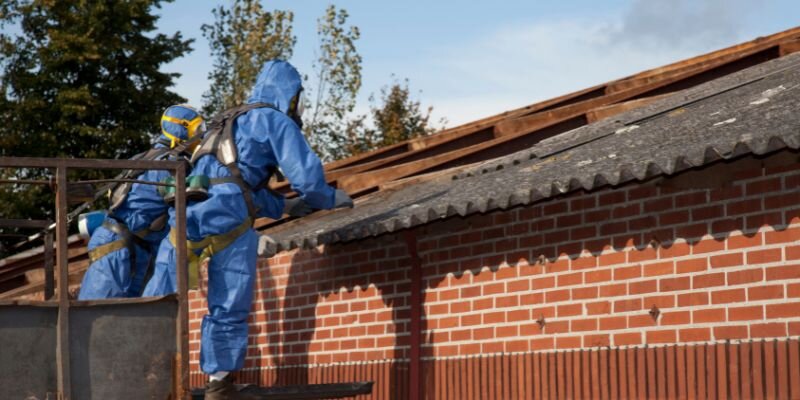
Selling a house with asbestos in Texas is possible, and Ready House Buyer is here to help guide you through the process. From understanding disclosure requirements to addressing potential buyer concerns, having the right support can make all the difference. With the right approach, you can navigate the sale smoothly and protect your property’s value.
Understanding Asbestos in Homes in Texas
Asbestos has long alarmed property managers, especially older ones. Before its health risks were discovered, it was widely used in construction materials due to its insulating and fire-resistant properties. Today, understanding asbestos, its hazards, and its effects on Texas real estate is crucial. This understanding ensures environmental compliance and helps mitigate asbestos exposure. This resource discusses asbestos and its health risks, especially in Texas home sales.
What is Asbestos?
Asbestos is a fibrous mineral. The fibers of asbestos are robust, chemical, heat, and electricity-resistant, making it a popular building material. It was used in roofing, insulation, and other construction materials, especially in pre-1980s dwellings.
Asbestos can cause major health problems despite its benefits. Disturbed asbestos fibers become airborne, providing serious inhalation dangers. When selling a Texas home, this is crucial.
Disclosure of dangerous items like asbestos is ethical and policy. Property buyers have a right to know about environmental and health issues. Texas homeowners selling asbestos-contaminated homes must be transparent and communicative.
Housing market vendors and buyers must understand asbestos and its effects. This understanding protects future residents from dangerous items by complying with local and state environmental standards.
Risks Associated with Asbestos Fibers in Texas
Asbestos fibers predominantly cause serious health problems. When asbestos is damaged, fibrous particles are released. These small fibers might be inhaled inadvertently, exposing the health to the dangers of asbestos.
Respiratory cancer, asbestosis, and mesothelioma are the most common asbestos-related disorders. Often decades after exposure, these disorders develop. Latency makes household asbestos management vital.
When selling a Texas house containing asbestos, health risks must be disclosed. Buyers should be advised about potential exposure to prepare for environmental remediation. Asbestos also affects insurance and market value.
Because asbestos was more common in older homes, homeowners must consider its long-term effects. Real estate policies may demand asbestos surveys or clear disclosures. For asbestos exposure liability, this protects both parties.
Knowing these dangers helps comply with hazardous materials laws and maintain safer dwellings. In conclusion, asbestos knowledge and management protect health and streamline Texas real estate.
Get a fair cash offer today and sell your home for cash in Texas with ease.
Legal Requirements for Selling a House with Asbestos in Texas

Texas homeowners selling asbestos-contaminated homes must follow many legal requirements. Knowing your property disclosure requirements is crucial, especially for dangerous products and their moral and legal implications. In Texas, disclosing asbestos to buyers is both legal and ethical. This ensures transparent real estate transactions. This informs customers about asbestos fiber health risks. Sellers avoid issues and maintain honest real estate markets by following these laws.
Property Disclosure Obligations
The real estate industry relies on property disclosure requirements for transparency and safety. Texas takes these commitments seriously, especially when selling homes with asbestos. To protect buyers from asbestos-related health concerns, sellers must disclose asbestos presence. The process entails extensive recording of the property’s status, including asbestos problems.
Sellers must submit a TREC Seller’s Disclosure Notice with a hazardous materials section. It warns buyers of asbestos and requires sellers to identify its condition and location. Failure to disclose asbestos can have substantial legal ramifications for sellers. Buyers who discover unreported asbestos may sue for misrepresentation and pay for remediation.
Asbestos disclosure facilitates fair negotiations to cover asbestos control costs and efforts. Compliance with these disclosure obligations is more than a legal need; it demonstrates a dedication to honesty and integrity in real estate discussions, ensuring the safety and satisfaction of all parties involved.
Sellers may find these requirements difficult, but they emphasize the necessity of transparency in ethical behavior. To meet disclosure obligations, Texas real estate lawyers can advise you. Sellers are protected from legal issues, and the property’s marketability is improved by this proactive strategy. Sellers must follow these strict rules because asbestos is a major element in older properties, making the property market safer and more compliant.
Do You Have to Disclose Asbestos?
Asbestos disclosure is mandatory when selling a residence in Texas to protect buyers and sellers. The Texas Property Code requires sellers to give their buyers a “full and honest disclosure” of hazardous items, especially asbestos. Sellers must notify buyers of any asbestos in the home to avoid health and legal issues. Compliance and ethics require transparency, which promotes safer and more informed real estate transactions.
Failure to disclose asbestos might have serious consequences for sellers. Texas law protects buyers, and non-disclosure can lead to litigation, financial fines, and sale voidance. Sellers should conduct thorough property studies, including asbestos inspections by qualified professionals, to avoid such results. These inspections help sellers disclose asbestos to potential buyers in property disclosure forms.
Because of this requirement, many Texas sellers use real estate attorneys to produce disclosure forms. Lawyers help provide all necessary information, reducing legal complications. Asbestos disclosure need not dissuade purchasers. Informing buyers allows them to budget for safe asbestos management or removal.
This proactive asbestos disclosure policy emphasizes honesty and legality in real estate transactions, fostering market trust and openness. Texas’s strict disclosure laws ensure buyers can make educated judgments about asbestos-contaminated houses, creating a fairer, safer real estate market.
At Ready House Buyer, we buy houses in Dallas and the surrounding areas, making the selling process fast and simple for homeowners.
Preparing Your Home for Sale in Texas
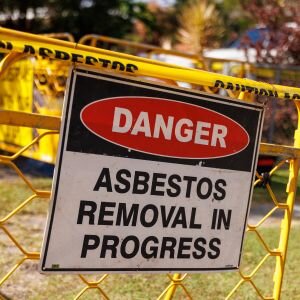
When selling your home, especially if it’s an older property, meticulous preparation is essential for attracting buyers and guaranteeing a successful transaction. A thorough house inspection is essential for identifying potential problems, such as asbestos, which is abundant in older homes and considered a hazardous material. In Texas, adhering to environmental rules is critical, and understanding your asbestos program alternatives can help homeowners manage this risk effectively. Proper preparation not only ensures compliance with local requirements but also increases your property’s appeal in the competitive real estate market.
Conducting a Thorough Home Inspection in Texas
Texas property sellers must thoroughly inspect. This is crucial in older asbestos-laden dwellings. Certified inspectors can spot hidden issues that untrained eyes cannot. Building inspectors can identify asbestos-containing insulation, roofing, and ceiling tiles used before health concerns were discovered. Owners must recognize that ignoring these dangers could have substantial legal and financial ramifications during estate sales. Home inspections identify and fix problems.
After an asbestos inspection, manage the dangerous items. Asbestos removal protects future residents and meets Texas’s strict environmental standards. A property’s market value might increase after thorough inspections and asbestos remediation, easing buyers’ health and liability concerns.
Texas counties have asbestos real estate regulations. Homeowners should learn these county policies to comply and sell faster. Ignoring these rules could hurt the transaction, lowering the offer price or prolonging talks. An in-depth house inspection and policy knowledge can eliminate surprises and streamline the selling process.
Thorough inspections can also protect sellers against lawsuits and prevent buyer discontent, which typically results from asbestos discovery after the sale. Being proactive helps sellers comply with laws and build confidence and transparency in today’s real estate market.
Asbestos Program Options for Homeowners in Texas
Texas homeowners can control asbestos with many programs after a house inspection. Good asbestos programs comply with county and public policies and safeguard future homeowners. Abatement may be necessary to remove all asbestos products from a home. This method is recommended in disturbed areas where asbestos fibers could become airborne and harmful. Qualified asbestos removal companies limit estate transaction liabilities and ensure environmental compliance.
Homeowners may choose asbestos management. Instead of removing asbestos, encapsulate it. To prevent asbestos fibers from flying, encapsulation uses a sealer. Asbestos enclosure entails protecting it with a barrier. When the asbestos is intact and unlikely to be disturbed, these methods may be cheaper than removal.
Asbestos exposure and the homeowner’s budget determine abatement or management. Understanding Texas’s hazardous materials rules might help homeowners decide what to do. Environmental professionals and public health officials can help choose the optimal asbestos program. These specialists can explain real estate laws and assist homeowners in choosing a safe, affordable solution.
Homeowners must carefully document their approach. Documentation can help sellers negotiate transparency and reassure buyers of asbestos mitigation procedures. Property value and a smooth real estate transaction depend on these asbestos program options.
Homeowners meet legal requirements and boost property value by proactively addressing asbestos hazards. Good asbestos management shows safety and conformity with local environmental laws, which can be a selling advantage. The appropriate choice helps homeowners reduce health concerns, follow Texas’s regulations, and make the sale process safer and more transparent.
Sell your property the easy way, fast, fair, and stress-free. Contact Us at Ready House Buyer.
Impacts on Property Value and Selling Strategy in Texas

Promoting an older home in Texas that has asbestos presents distinct challenges, especially regarding its market value and the strategies used for effective promotion. Given its history of health risks, asbestos can affect a home’s marketability and requires transparent communication with prospective buyers. These materials are identified as hazardous and should be communicated thoughtfully during real estate transactions. Grasping the effects of asbestos on property value, tackling potential buyers’ worries, and adhering to local regulations are essential elements in maintaining the home’s attractiveness in the competitive Texas real estate landscape.
Will Asbestos Lower My Home’s Value?
In older Texas homes, asbestos can lower property value. Due to health hazards and removal or management costs, buyers are leery of homes with asbestos. Asbestos in real estate can cause concern and diminish home values. This worry might affect bidding and selling prices in competitive Texas real estate.
While asbestos is regulated, its impact on house value must be understood. Buyers cognizant of long-term health risks may consider asbestos abatement or management costs while making offers. Buyers may lower their prices to offset the costs and perceived risks of living in a dangerous home. Sellers must report this environmental hazard in accordance with Texas’s property disclosure laws to sustain legal and ethical real estate practices.
Managing asbestos early reduces the property value effect. Suppliers may hire asbestos inspectors to demonstrate the material’s condition and treatment. Such steps can reassure purchasers that the issue is treatable and that the home fulfills safety and environmental standards. Abatement or encapsulation of asbestos before listing the home can increase its value by eliminating the risk or displaying safety.
Despite these obstacles, asbestos-contaminated homes can be sold without losing value. When controlled and disclosed, asbestos need not dissuade buyers. Some may negotiate or observe home worth increases after the cleanup.
Thus, selling Texas properties with asbestos requires open communication and strict property disclosure compliance. With these safeguards, homeowners can manage health concerns and preserve property value for a fair and efficient sale.
Time to sell your home? Avoid repairs, sell fast, and enjoy a seamless process. Ready House Buyer offers fair cash and takes care of the details. Call (214) 225-3038 today for your free, no-obligation offer.
FAQs:
Which Texas Laws Apply to Selling a House With Asbestos?
The Texas law requires sellers to disclose asbestos. It ensures transparency and protects both parties.
What Does Asbestos Do to Texas Property Values?
Since asbestos is harmful and expensive to remove, it can lower property value. These issues can be resolved early to maintain property value.
Managing Asbestos in Texas: What Options Do Homeowners Have?
Property owners can encapsulate and abate asbestos. These options ensure safety and sustainability.
Why Should I Get a Home Inspection Before Selling an Asbestos House?
A home inspection detects asbestos and other hazards, ensuring Texas environmental compliance and easing the sale.
Residential Asbestos Poses What Health Risks?
From asbestos exposure, lung cancer, asbestosis, and mesothelioma can occur. Prior to selling a home, asbestos management is necessary.
Helpful Texas Blog Articles