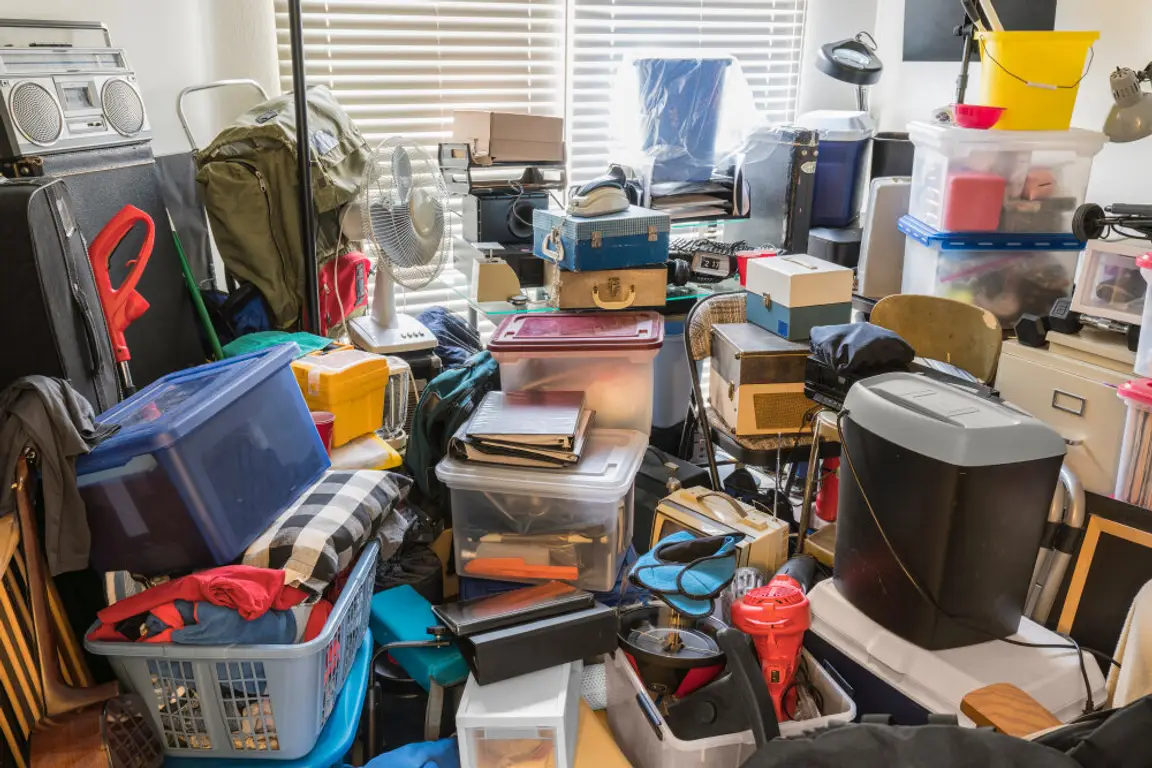

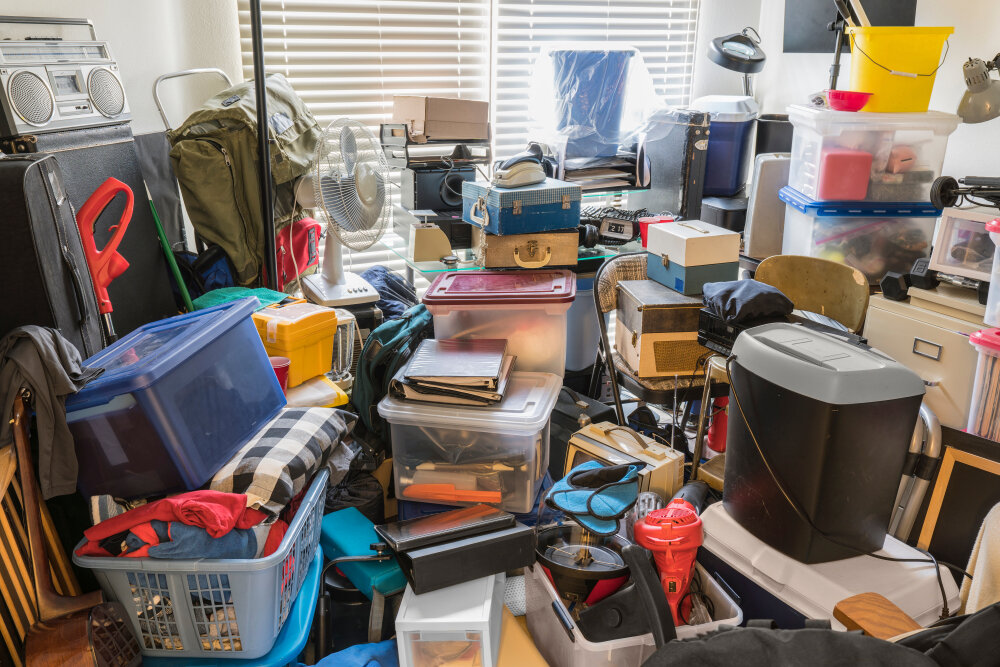
Imagine walking through a house where every room tells a story of accumulation. Narrow pathways wind between towers of belongings. You can’t see the floors. The smell hits you first, then the overwhelming sense of where to even start.
I’ve been buying houses across Texas for over a decade, and I’ve walked through hundreds of properties like this. Trust me, you’re not alone in this situation. Whether you inherited a hoarder house or you’re dealing with your own hoarding challenges, there’s a path forward that doesn’t involve years of stress and tens of thousands of dollars in cleanup costs—especially when you understand how our process works.
About one in 40 people, or 2.5% of the population, has hoarding disorder. That means if you’re reading this, you’re part of a much larger group than you might think. While Texas home values remain strong in 2025, hoarder houses present unique challenges that aren’t reflected in traditional market statistics. Factors such as extensive clutter, deferred maintenance, and potential structural or safety issues can significantly affect a property’s marketability and value.
In situations like these, working with cash home buyers in Texas can make the process significantly faster and more manageable when dealing with distressed properties.
Let me tell you everything I know about selling hoarder houses in Texas, from the legalities to the costs, and most importantly, your choices for quickly and properly getting rid of this horrible situation.
Texas Property Laws for Hoarding Situations and Estate Sales

Texas has specific disclosure requirements that affect hoarder house sales. Under the Texas Property Code, sellers must disclose any known material defects that could affect the property’s value or desirability. This includes structural damage, mold, pest infestations, and other issues commonly found in hoarder properties.
The good news? You don’t have to clean up before selling if you’re transparent about the condition. Many sellers think they need to restore the property to pristine condition, but that’s simply not true. Full disclosure protects you legally and attracts the right type of buyer.
In Texas, “as-is” sales are completely legal and common. This means you can sell your hoarder house without making any repairs or improvements. The buyer accepts the property in its current condition, which can save you months of work and thousands of dollars.
Estate sales involving hoarder properties often require probate court approval, especially when the deceased person’s belongings are extensive. Texas probate law allows for independent administration in most cases, which speeds up the process. However, if family members disagree about what to do with the property, the court may need to intervene.
People I’ve worked with in Dallas and Houston were in estate court for more than a year because they couldn’t agree on who would clean up after the death. Everyone saves time and money by having a clear plan before they file estate papers.
Estate Planning Considerations for Texas Hoarder Property Inheritance
If you inherit a hoarder house in Texas, you’re inheriting more than just real estate. You’re taking on potential liability, cleanup costs, and emotional stress. Understanding your options early can prevent costly mistakes.
Texas law allows heirs to disclaim inherited property within nine months of the decedent’s death. If the cleanup costs exceed the property’s value, disclaiming might be your best option. However, this decision is permanent, so consult with a probate attorney before proceeding.
Joint ownership creates complications in the inheritance of a hoarder’s house. If multiple siblings inherit the property, one person can’t make decisions without the others’ consent. I’ve seen families spend more on attorney fees than the house was worth because they couldn’t agree on the next steps.
Creating a family agreement before dealing with inherited hoarder property prevents conflicts. Decide who’s responsible for cleanup, who pays for what, and how you’ll split any proceeds from the sale. Getting this in writing protects everyone involved.
Texas Tax Implications for Selling Inherited Hoarder Properties
When you inherit land in Texas, you get a “stepped-up basis,” which means you won’t have to pay capital gains tax on gains made before the previous owner died. This can save you a lot of money, especially in areas like Austin or Dallas/Fort Worth that are going up in value.
However, cleanup costs can’t be deducted as capital improvements because they restore the property to its original condition rather than improve it. You can deduct these expenses against rental income if you decide to rent the property, but not against capital gains from a sale.
During the transfer process, property taxes keep adding up. In Harris County, Texas, property taxes are usually 2.81 percent of the home’s estimated value per year. The property taxes on a $200,000 hoarder house are about $5,620 a year, even if it can’t be lived in.
The standard home price in Texas went up by only 1.2% in the last previous years, but because they are in such bad shape, hoarder houses usually sell for 20–40% less than their market value. Often, this discount is greater than any tax benefits that come from keeping the land.
Essential Safety Inspections Needed for Hoarder Homes in Texas
Before anyone enters a hoarder’s house, safety inspections are crucial. I’ve seen floors collapse under the weight of accumulated belongings and electrical systems that posed immediate fire hazards. These aren’t just liability issues; they’re life-threatening conditions.
Structural integrity should be your first concern. Years of excessive weight can damage floor joists, especially in older Texas homes with pier-and-beam foundations common in neighborhoods like Oak Cliff in Dallas or Montrose in Houston. Load-bearing walls can also be compromised.
Electrical hazards are extremely common in hoarder houses. Overloaded circuits, damaged wiring from rodents, and makeshift electrical connections create fire risks. Texas doesn’t require electrical inspections for private sales, but you should be aware of these hazards for disclosure purposes.
Testing the air quality shows secret dangers like mold, ammonia from pet waste, and other harmful substances. Mold grows faster in Texas because of its wet climate, especially in places like Galveston and Beaumont, where it rains all the time.
Professional inspectors familiar with hoarder houses understand what to look for. They’ll identify immediate safety hazards, estimate remediation costs, and provide documentation you can use for insurance claims or legal protection.
Structural Damage Assessment in Texas Hoarder Properties
Excessive weight from accumulated belongings causes specific types of structural damage. I’ve seen floor joists cracked from years of supporting thousands of pounds of newspapers, books, and other items. In extreme cases, floors have completely collapsed.
Texas homes often have foundation problems, especially those that were built on the broad clay soil that is common in the Houston area and the Dallas-Fort Worth metroplex. When plumbing leaks cause water damage, and the foundations change, it can be very expensive to fix.
People who live in hoarder houses often don’t notice damage to the roof because they can’t get to the upper floors to check for leaks. When shingles are missing, flashing is broken, and drains are clogged, water can get in and damage the roof. It can cost tens of thousands of dollars to fix.
Damage to walls from moisture, pest infestations, and physical impacts from moving heavy items requires a professional assessment. Damaged load-bearing walls can compromise the entire structure’s stability.
Getting a report from a structural engineer protects you legally and gives you a good idea of how much the repairs will cost. This paperwork is important whether you’re selling the house as-is or thinking about fixing it up.
Environmental Hazards and Remediation in Texas Hoarder Home Sales

Environmental hazards in hoarder houses go far beyond what most people imagine. Professional hoarding cleanup typically costs between $1,500 and $4,000, with costs reflecting the amount of clutter, the presence of biohazards, and the time required for a full cleanout.
Mold growth is almost universal in Texas hoarder houses due to our humid climate and poor ventilation. Black mold, aspergillus, and other toxic varieties thrive in cluttered environments where air can’t circulate properly. Professional mold remediation can cost $10,000 to $30,000 for severe cases.
Pest infestations create health hazards and property damage. Rodents leave droppings that carry hantavirus and other diseases. Cockroaches trigger asthma and allergies. Termites can cause thousands of dollars in structural damage. Professional pest control and cleanup are essential before anyone can safely occupy the property.
Chemical contamination from cleaning products, medications, and other household chemicals that have leaked or mixed creates toxic environments. Some combinations produce dangerous gases that require hazmat cleanup.
When bathrooms and kitchens can’t be used, sewage often backs up from clogged drains. Raw sewage is immediately harmful to your health and needs to be cleaned up by a professional to keep it from being contaminated for a long time.
Professional Hoarding Cleanup Services Before Selling Your Texas Home
Cleaning up after hoarding usually costs between $1 and $2 per square foot, or $1,000 to $4,000 all together. The exact amount depends on the size and intensity of the hoarding. But these prices can go up very quickly if there are biohazards or damage to buildings.
Hoarder houses are what professional cleanup services in Texas places like San Antonio, Austin, Dallas, Fort Worth, and Houston do best. They know how to handle sensitive situations with care and safety, as well as the right way to throw things away.
Usually, the cleanup process has several steps: an initial assessment, making sure everyone is safe, sorting and removing things, deep cleaning, and a final check. For each step, you need special skills and tools that most homeowners don’t have.
The cost of disposal adds a lot to the cost of repair. Getting someone to haul away your trash can cost anywhere from $500 to $5,000, based on how much trash they take away. Specialized methods are needed to get rid of dangerous products, which adds to the costs.
Cleanup costs after hoarding are rarely covered by insurance. Most homeowner’s insurance plans don’t cover damage caused by neglect or poor maintenance. This includes problems that happen over time in hoarder homes.
Some cleanup companies offer payment plans or work with estate attorneys to defer costs until the property sells. This can be helpful when the estate lacks immediate funds for cleanup.
Professional Staging After Hoarder House Cleanup in Texas
Once the cleanup is complete, professional staging can significantly increase your sale price and reduce time on the market. However, staging a former hoarder’s house requires special considerations that traditional staging doesn’t address.
Getting rid of smells is very important before setup starts. Even after a professional cleaning, smells that have been building up for years can make people not want to buy. It may be necessary to use ozone treatment, enzyme cleaners, or even replace the floors and drywall.
Lighting becomes critical in former hoarder houses because buyers need to see that spaces are truly clear and clean. Professional staging companies add extra lighting to showcase the home’s actual livable space.
Painting and laying new floors are often things that need to be bought. Things that have been piled up for years leave marks on walls and damage on floors that can’t be fixed by cleaning alone. These changes may cost you an extra $5,000 to $15,000, but they could fetch an extra $20,000 to $40,000 when you sell the house.
Staging helps buyers see what the house could be instead of what it was like before. This change in how people think is important if you want to get the property’s fair market value instead of the deep discounts that are common for distressed homes. If you’re navigating a difficult situation, understanding how to sell a house when you owe more than it’s worth in Texas can help you make smarter decisions throughout the process.
Determining Fair Market Value for Hoarder Properties in Texas
Many real estate agents don’t have the specialized knowledge needed to value hoarder homes. Normal, similar sales don’t take into account how much it costs to clean up and fix up.
Depending on how bad the state is, most hoarder houses sell for 20 to 40 percent less than what they are worth on the market. In Austin, where the median price of a home is still the highest in the state at $440,000, this sale can save you a lot of money.
More accurate valuations are done by professional appraisers who have experience with homes that are in bad shape. They look at how much it will cost to clean up, how long it will take to fix up, and how much money they need to spend on repairs.
Most cash purchasers will offer between sixty percent and eighty percent of the value after repairs, less their anticipated cleaning and repair expenses. Though little, this removes months’ worth of carrying costs, cleanup charges, and market risks.
Ready House Buyer has extensive experience evaluating hoarder properties throughout Texas. We’ve purchased hundreds of properties in various conditions and can provide realistic value assessments based on actual market data rather than theoretical calculations.
Legal Requirements for Disclosing Hoarding Conditions to Texas Buyers
Texas law says that sellers must tell buyers about known material flaws in their homes, but what exactly is “material” when it comes to hoarding conditions can be subjective. You have to tell people about structural damage, mold, and pest infestations, but it’s not as clear how the property’s past affects people’s minds.
The Texas Real Estate Commission’s Seller’s Disclosure Notice includes questions about structural problems, water damage, and pest infestations, all common in hoarder houses. Answering these questions honestly protects you from future liability.
Photographs that show how the land looked before the cleanup are legal proof. If buyers say you didn’t tell them about the property’s conditions, pictures will show that you were honest about them.
Working with real estate attorneys familiar with distressed property sales ensures proper disclosure and protects your interests. The cost of legal consultation is minimal compared to potential liability from inadequate disclosure.
“As-is” sales with full disclosure offer the strongest legal protection. Buyers can’t claim they weren’t aware of the property’s condition if you’ve been completely transparent about its state.
Working with Real Estate Agents Experienced in Hoarder Property Sales
Some real estate agents don’t know how to market hoarder houses well. A lot of people don’t like the conditions and don’t know how to sell or show these homes to people who might want to buy them.
Agents experienced with distressed properties understand the unique challenges and opportunities hoarder houses present. They know which buyers are interested in these properties and how to market them effectively.
The way hoarder houses are marketed is very different from how regular homes are listed. Professional photos that show the property’s bones instead of how it looks now, ads that are aimed at buyers, and fair prices are all things that must be done.
Commission structures may need adjustment for hoarder house sales. The additional work involved in marketing distressed properties, coordinating with cleanup crews, and managing complex transactions justifies higher commission rates in some cases.
Some agents specialize in estate sales and understand the emotional aspects of selling inherited hoarder properties. They provide support beyond just real estate expertise, helping families navigate difficult decisions with compassion.
Cash Buyers vs Traditional Sales for Texas Hoarder Houses
Cash buyers offer several advantages for hoarder house sales: no financing contingencies, faster closings, and acceptance of as-is conditions. However, cash offers are typically 15-25% below market value to account for these conveniences.
This is why many homeowners in urgent situations choose to work with companies that we buy houses in Fort Worth, especially when dealing with distressed or hoarder properties that require a fast, as-is sale.
Traditional sales through MLS listings can achieve higher prices but require more time, money, and effort. Cleanup, repairs, staging, and months of carrying costs often exceed the additional proceeds from higher sale prices.
Financing challenges make traditional sales for hoarder houses difficult. Most lenders won’t approve loans for properties that don’t meet habitability standards, limiting your buyer pool to cash purchasers.
Time considerations often favor cash sales for hoarder houses. In 2025, homes across Texas are generally taking longer to sell than they did during the pandemic-era housing boom, giving buyers more choices and increasing competition among sellers. For hoarder properties that may require extensive cleanup or repairs, a cash sale can offer a faster, more straightforward path to closing.
Ready House Buyer purchases hoarder houses throughout Texas, offering fair cash prices and handling all cleanup responsibilities. We’ve closed hundreds of these transactions and understand the unique challenges involved.
Alternative Sale Methods: Auctions and Wholesaling Texas Hoarder Houses
Real estate auctions can be effective for hoarder houses, especially when multiple heirs need a quick resolution. Auctions create urgency and competition that can drive prices above expectations.
Absolute auctions with no minimum offer guarantee a sale but risk very low prices. Reserve auctions protect against lowball offers but may not result in a sale if bidding doesn’t reach your minimum.
Wholesaling involves selling your contract to purchase the property to an investor who will handle cleanup and repairs. This can be faster than traditional sales but typically results in the lowest prices.
Online auction platforms have expanded the pool of buyers for distressed properties. National investors can offer on Texas hoarder houses without physically visiting, increasing competition and potentially improving prices.
Tax considerations vary by sale method. Auction sales may be subject to different tax treatment than traditional sales, especially for inherited properties. Consult a tax professional before choosing your sale method.
Marketing Strategies for Selling As-is Hoarder Houses in Texas
Marketing hoarder houses requires honesty balanced with optimism. Focus on the property’s potential rather than dwelling on current conditions, but be completely transparent about what buyers are getting.
Professional photography is crucial but challenging for hoarder houses. Wide-angle shots that show the property’s layout, exterior photos that highlight curb appeal, and before/after images if cleanup has begun help buyers visualize possibilities.
Targeting the right audience is essential. Individual homebuyers are rarely interested in hoarder houses, but investors, contractors, and house flippers actively seek these opportunities.
Pricing strategies should account for cleanup costs, repair estimates, and time-to-market. Pricing too high scares away investors, while pricing too low leaves money on the table.
Online marketing reaches the broadest audience of potential investors. Craigslist and investor-focused websites connect you with buyers actively seeking distressed properties.
Negotiating with Investors Who Buy Texas Hoarder Properties

Investors who buy hoarder houses are experienced negotiators who understand the unique challenges and opportunities of these properties. They’ll have detailed cost estimates for cleanup and repairs that inform their offers.
Getting multiple offers creates competition and improves your negotiating position. Don’t accept the first offer without shopping around, even if you’re eager to sell quickly.
Understanding investors’ motivations helps in negotiations. They need to make a profit after cleanup, repairs, and holding costs, so their offers reflect these business realities rather than personal preferences.
Flexibility in the closing timeline can be a negotiating tool. If you need to close quickly, you might accept a lower price. If you can wait, you might negotiate a higher price in exchange for a longer closing period.
Inspection contingencies are typically waived in investor purchases, but they may want time to verify their repair estimates. This is reasonable and protects both parties from surprises.
Financing Options for Buyers Purchasing Texas Hoarder Properties
Most regular mortgages won’t give money to hoarder houses that don’t meet standards for being habitable. Homes that are used for FHA, VA, and standard loans must be in good enough shape to live in.
Hard money lenders specialize in distressed properties and can fund purchases that traditional lenders won’t touch. Interest rates are higher, but these loans can close quickly and don’t require extensive property inspections.
Cash purchases are most common for hoarder houses. Investors often use lines of credit, private money, or partnership funds to purchase properties quickly without financing contingencies.
Seller financing might be an option if you’re willing to carry the note. This can achieve higher sale prices and provide ongoing income, but you retain risk if the buyer defaults.
Renovation loans, such as FHA 203(k) or Fannie Mae HomeStyle, allow buyers to finance both the purchase and renovation costs. However, these programs have strict requirements and lengthy approval processes.
Timeline Expectations for Selling Hoarder Houses in Texas Markets
Traditional sales of hoarder houses typically take 6-12 months from listing to closing, including cleanup time. This assumes you’re cleaning up before listing and marketing through traditional channels.
Cash sales can close in as little as 2 to 3 weeks, from initial contact to closing. This timeline assumes a clear title and minimal due diligence requirements on the buyer’s part.
Cleanup timelines vary dramatically based on the severity of hoarding and the size of the property. Professional cleanup can take anywhere from a few days to several months, depending on the case.
Market conditions affect sale timelines. As of September 2025, Texas housing inventory reached a 5.5-month supply, indicating a buyer’s market where properties take longer to sell.
Seasonal factors influence sale timelines in Texas. Spring and fall are typically the most active seasons for real estate, while summer heat and winter holidays can slow activity.
Estate sales add complexity and time to the process. Probate requirements, family disputes, and legal documentation can extend timelines by months or even years. If you’re ready to move on from a hoarder property without the stress, delays, or massive cleanup costs, you can fill out our quick contact us form to get a no-obligation cash offer and see what your options look like.
Frequently Asked Questions
Is it possible to sell a hoarder’s house in its current condition?
Absolutely. You can sell a hoarder house exactly as it sits, without cleaning a thing. Many investors and cash buyers specialize in purchasing properties in any condition. The key is being completely transparent about the property’s state and pricing it appropriately for the extensive work required.
How can I avoid capital gains tax on selling an inherited home in Texas?
Inherited properties receive a “stepped-up basis” equal to the fair market value at the time of inheritance, which eliminates capital gains tax on appreciation that occurred before the previous owner’s death. If you sell quickly after inheriting, you’ll likely have minimal or no capital gains tax liability.
What’s the Main Reason Hoarder Houses Don’t Sell Quickly?
Overpricing is the greatest obstacle. Many sellers don’t account for the extensive cleanup and repair costs buyers will face, so they price too close to market value for comparable properties that are clean. Realistic pricing that reflects the property’s actual condition is essential for attracting serious buyers.
Helpful Texas Blog Articles
- Can You Sell a House with a Lien in Texas
- How to Sell a Flooded House Fast
- How to Move to Another State
- Selling a House Without Permits
- Renting a House While for Sale in Texas
- How to Sell an Apartment in Texas
- Can You Sell a House With Asbestos in Texas
- Selling a Tenant-Occupied Property in Texas
- Selling a House with Delinquent Property Taxes in Texas
- How to Sell a House When Relocating in Texas
- How To List Distressed Houses On MLS In Texas
- Essential Documents Required To Sell Your House In Texas
- HOA Foreclosure Laws In Texas
- How To Sell Your House Before Foreclosure In Texas
- How To Sell A Hoarder House Fast In Texas