

If you’re thinking about selling a house with termites in Dallas, TX, and worried it might be a challenging ordeal, don’t be! With the right mindset and strategy, it doesn’t have to be stressful at all! Knowing the right local business and doing some research to create a market and repair strategy, this ordeal can be a walk in the park. With the right mindset, homeowners can find ways to repair the pest problem and still make a profit from the rest of the house. In this blog, homeowners will discover practical techniques to sell the place and make it a money earner. For more information and support, Ready House Buyer can make this process simple!
Brief Overview
Selling a Dallas, TX home with termites requires a strategy to overcome obstacles. Understanding how termites impact property value and conducting thorough professional inspections to identify and address hidden damage are essential. Disclosure of the home’s termite history builds buyer trust, which is crucial in a competitive market. Sellers can improve their property by making repairs and staying informed about market trends. Using unique features and strategic pricing can turn a termite problem into a selling point. Cash home buyers in Dallas and surrounding cities can help homeowners sell their homes quickly and easily. A successful sale requires informed decisions and openness.
Key Highlights
- Termite infestations and remediation issues will greatly impact home values and affect how competitively homes will sell in Texas.
- Sellers have a legal obligation to disclose termite history. This protects both parties and builds trust with the buyer.
- Thermal imaging and proper termite remediation are key to maintaining property value and preserving home appeal.
- Concessions and termite damage repair will aid in rapid sales and improving overall market appeal.
- The presence of termite management and issues is a confidence builder to potential buyers and aids in overall sales.
Understanding Termite History in Real Estate
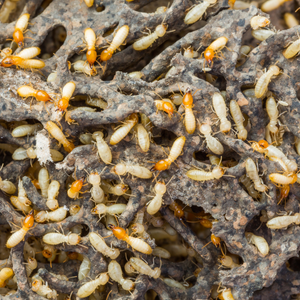
In residential Dallas, Texas, the termite history of a home can significantly impact its equity. Termites have a history that scars the homes of many people and influences the market and buyers in certain ways. Selling a home with a history of termite issues is possible, but it often requires a more calculated and sophisticated approach, particularly regarding the legalities of termite issue disclosure. This section will analyze the impact of termite infestation history on home value and address the question: Can a house with a history of termite issues be sold?
The Impact of Termite History on Home Value
Home histories that include damage from termites can significantly impact a home’s value and market competitiveness in Texas. The fear of underlying issues in the home structure becomes a bidding nightmare for buyers, as they lower their offers and request repairs to the home or a price reduction. Understanding the underlying condition of the home is necessary to make informed decisions and investments. Making repairs and doing remediation is the best way to ease the concerns, which preserves interest from buyers.
Legal disclosure is as important as damage to the home system since Texas doesn’t allow home sellers to skip over known damage or underlying issues. Providing this honestly gives home buyers transparency and flows within the law. Focusing on termite history and using all the damage they are doing to the home, a professional system and honest home sellers can get on the market strategically using their home and highlight keeping the home value intact.
Can You Sell a House with Termite History?
Yes, you can sell a house that has a history of termites. Particularly in Texas, where termites are common, selling such homes can be done with proper planning and can be successful. Auction dead termite homes, or homes with active termite damage, to professional inspectors, and conservatively value the house based on how much you are willing to lose. Retaining the house boosts the buyers’ confidence. You could also take the house and give it cosmetic appeal rather than consider it a total loss.
In the State of Texas, sellers are legally bound to disclose any historical infestations and repairs made to the house. Verifying treatments, repairs, or even the lack of inspection records will further justify the buyer’s concerns. You will also be able to sell the home based on the renovations completed, the geographical features, or other improvements made to the house. Based on proper planning, marketing efforts should be made for homes with termite conditions, and with responsible home ownership, the home can be sold in a timely manner.
Consider these steps to improve the selling process of a termite-infested house:
- Get a termite inspection report to reassure buyers about the home.
- Warranty or insurance for termite treatments or damage.
- Highlight recent termite-related repairs or renovations.
- Show past termite treatments and maintenance to be transparent.
- Showcase soil treatments and barriers.
- Pricing the house post-treatment should be competitive and realistic.
- Hosting an open house will highlight the property’s improvements and strengths.
- Share termite mitigation strategies.
These steps can reassure buyers and show the home’s value despite termites.
Recognizing and Dealing with Termite Infestations
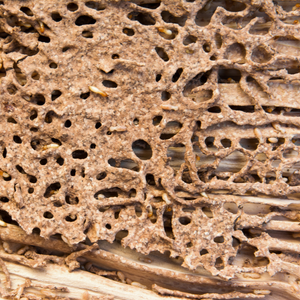
For homeowners in Dallas, Texas, and the surrounding areas, Dallas Termite Inspections and Control Services are a must in order to maintain property value and to manage such infestations. Termite inspections and implementing control strategies are essential to managing them and reducing damage. Homeowners can manage infestations in such a way that homes become even more attractive to potential buyers. Termite control is essential to protect investments and to sell homes.
How to Conduct Effective Termite Inspections
Effective inspections must identify active cases and prevent further infestations from occurring. Inspections must be complete. Termites can easily hide in the basement, attics, and crawl spaces. Pest control companies have tools such as moisture meters and thermal cameras that help find active termites, allowing for the complete assessment of the property.
Inspectors search for signs of infestations in tunnels of mud, swarms of termites, pockmarked wood, and frass. These reports help sellers disclose and document the history of termites, allowing buyers to foster trust in the local real estate market of Texas. Especially in Dallas, where termites are very active, new construction homes must undergo regular inspections to help preserve their value and protect structural integrity.
Essential Steps for Termite Remediation
Once termites are found, effective remediation is needed to restore a home’s structure and value. To eradicate colonies, chemical or bait systems are used, along with sand or metal mesh to prevent future infestations. Shifting mulch away from foundations and reducing wood-to-soil contact reduces termite access and helps protect the property.
Monitoring is essential to prevent termites. Monitoring stations, treatment logs, and pest control warranties provide reassurance to buyers and boost home confidence. Repairing wood and structural elements quickly ensures safety and marketability. Proactive termite management can help sellers negotiate and maximize property value.
Cost and Implications of Damage Repairs

Costs and implications of damage repairs from termites in Texas are key components of maintaining the home value. Repairing damages from termites often comes at a high cost, which can get higher the more damage and repair work that needs to be done. Homeowners often have to make decisions on repairs to be done or give buyers concessions, which can change the selling approach based on damage. Each of these decisions has a cost or value based on how strategically or streamlined the property can be sold. Knowing these things can help motivate homeowners to sell their Texas real estate efficiently.
Average Cost to Repair Termite Damage in Texas
Termite damage in Texas typically costs between $3,000 and $7,000, depending on the infestation and materials. It costs more to replace or reinforce structural elements like beams, joists, or framing. Damage to walls or foundations may require professional termite treatments, whether chemical or eco-friendly. Hiring professionals ensures all damage is repaired and reduces the risk of recurrence.
Besides repair costs, homeowners should consider insurance and buyer reassurance inspections. Repairs can boost a home’s value, resulting in higher offers and faster sales. In the competitive Texas real estate market, showing repairs, inspections, and warranties builds buyer trust and shows responsible property maintenance.
Termite Damage: Repair or Concession?
If a Texas home has termite damage, sellers must repair it or offer concessions. Though costly, termite repairs can improve the home’s appearance, structural integrity, and sale price. Price reductions, repair credits, and closing costs acknowledge damage and attract buyers willing to repair it themselves, speeding up transactions.
Seller finances, timeline, and market conditions determine the best approach. Repairs shorten market time and attract stronger offers, while concessions speed up negotiations in a competitive market. Clear communication about termite damage and remediation builds buyer trust, making the sale easier and helping sellers maximize their property’s value while meeting Texas real estate standards.
Disclosing Termite History When Selling
In the state of Dallas, Texas, when selling a home with a history of termites, you need to be honest, as this is the law. If sellers disclose past termite infestations and any associated damages, they can avoid legal issues and gain the trust of potential buyers. This part talks about sellers’ legal obligations to disclose termites and ways to provide potential buyers with termite history for the ease of selling and to keep their home value. For those looking for a simple solution, we buy houses in Texas and nearby cities, which can help streamline the selling process.
Legal Obligations for Termite Disclosure
Sellers in Texas are legally mandated to include any known termite problems in the Seller’s Disclosure Notice. In this legally required document, sellers disclose any and all information as a means to protect themselves from lawsuits and keep sales from being canceled. For this reason, and in order to sustain a positive relationship with the buyer, it is important that all termite history and all related repairs be disclosed.
Legally mandated or not, giving buyers documentation on treatment, repairs, warranties, inspections, and any work done on the property is a means to lessen buyers’ concerns. Not only does this lessen the chance of a dispute, but it also gives buyers peace of mind and helps sellers to sell the property and avoid potential problems in the process.
| Key Aspect | Requirement | Purpose | Outcome |
|---|---|---|---|
| Disclosure | Mandatory | Ensure transparency | Informed decisions |
| Inspection Report | Recommended | Authenticate condition | Credible transaction |
| History Details | Comprehensive | Avoid legal issues | Trust building |
| Documentation | Maintained | Legal compliance | Smooth processing |
This table shows the importance of legal compliance and communication in Texas property transactions regarding termite history. In the competitive real estate market, transparency and thorough documentation build buyer trust and ease sales.
Communicating Termite History to Buyers
Being transparent about termite history is important in selling a house in Dallas, TX. Buyers want honesty, and being forthright about past infestations, repairs, and treatments builds trust. Providing inspection reports and repair documents along with proof of pest control measures demonstrates that the problem was dealt with, and this reduces the concerns of most buyers.
Additionally, it helps to emphasize the advantages of active termite management. Highlighting the continuous preventive treatments, the active warranties, or the scheduled inspections can change a potential negative into a selling point. With a combination of transparency and reassurance, sellers can reduce the buyers’ hesitation and improve the positioning of the house in the Dallas market.
Selling a house with termites in Dallas, TX can be profitable with the right approach. You can overcome obstacles by understanding termite impact, getting professional inspections, and communicating with potential buyers. Quality repairs and market trends can attract interested buyers. Your termite problem can be a selling point with strategic pricing and distinctive home features. Transparency and informed decisions will help you overcome this challenge. Contact Ready House Buyer for more information.
If you need to sell a house with termites in Dallas, TX, you don’t have to deal with the stress alone. Whether you want to sell fast, avoid expensive termite repairs, or choose a simple, hassle-free solution, Ready House Buyer is ready to help. We provide fair cash offers, manage every step of the process, and make selling your termite-damaged home straightforward. Have questions or want to get started? Call us at (214) 225-3038 for a no-obligation offer today.
FAQs
Can you sell a house with termites in Dallas, TX?
Yes, houses with termites can sell. To sell, you need to get a pest control company to do inspection work and make any repairs needed. You will need to tell the buyer about the history to make the sale.
What about termites selling a home in Texas?
In Texas, you have to tell the buyer of any active termites. It is the right thing to do, but it is also a legal requirement to avoid problems in the future.
How can repairing the damages increase the value of my home?
Repairing damages done to the home can potentially increase its value. It also adds peace of mind to a buyer knowing there will be no future problems.
How can I attract buyers with a termite-infested home?
If you perform quality repairs and then explain the termite history to the buyer, the home will sell. You can also sell the home if you price it right or if the home has some unique features.
How would concealing the history of termites be harmful?
It is necessary to tell the buyer if there is a history of termites. Not telling them of active termites can cause problems in the sale and is harmful to the legal standing.