
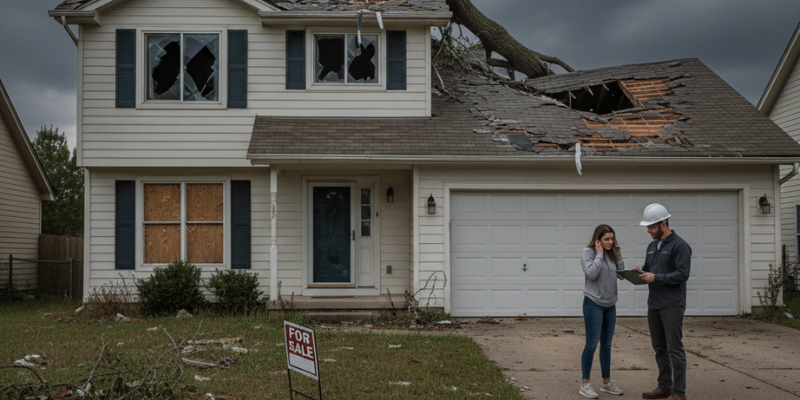
It’s not easy to sell a house in Fort Worth, TX, that was destroyed by a hurricane, especially when you have to deal with insurance claims, repairs, and the fact that the real estate market is so unpredictable. If hail, strong winds, or flooding destroyed your property, selling it “as-is” can make the process smoother and help you move on faster. This article covers everything you need to know, from the legal side to the steps you need to follow to make sure everything goes well. The goal here is simple: to help Texas homeowners understand their options, minimize their stress, and get the best offer possible when they sell a damaged property in the Fort Worth housing market, which is always changing.
Brief Overview
Storm-damaged homes in Fort Worth can’t be sold just by putting up a sign in the yard. Because of the local market, insurance rules, and fix costs, homeowners often have to make choices that can have a big impact on the end result. This lesson goes over some important rules about insurance and honesty, as well as the pros of working with cash buyers. You can choose to fix up the house or sell it as is. Forth Worth homeowners can speed up the process and find the right buyers faster if they know what kinds of storm damage buyers are looking for and how to sell the property strategically. This is especially true for investors who are used to buying homes that need work. Things can be easier and more fun if you have a clear plan and can talk to each other well.
Key Highlights
- Damage from storms can diminish the value of a house and make it less enticing to buyers, especially if repairs or insurance concerns make things unclear.
- Fort Worth often has difficulties with roofs, broken windows, and water pouring in during storms. Any of these could make buyers less interested and change the way discussions progress.
- You might have to take a lower price if you sell your house as-is, but it might also sell faster and attract cash buyers who want to invest.
- You need to be honest about everything and have all of your insurance papers in order to follow Texas property standards and make buyers feel more confident.
- Cash offers go through quickly, so you don’t have to wait for financing. They also give you piece of mind, even if the final sale price is lower than a typical listing.
How Storm Damage Affects the Sale of Property
People who live in Fort Worth know that a storm can rapidly turn a well-kept home into one that needs a lot of work. Storm damage can change every facet of a home sale, from how long it stays on the market to how buyers evaluate its value. This includes roofs that have been damaged by hail and water that has gotten inside. If you want to sell your home as-is, you need to know how storms affect home prices and how purchasers feel about them. This section talks about how storm damage affects the value of a home on the market and outlines the sorts of damage that happen most often in Fort Worth. The more you know, the easier it is to make smart decisions regarding selling.
How storms affect the value and salability of real estate
Storm damage can change how much people are willing to pay for a home and how many people want to buy it. People in Fort Worth, where harsh weather isn’t uncommon, tend to be careful when a house has visible or documented damage. Most of the time, the physical condition of the home is the most crucial item to potential buyers straight away. Storms can break windows, damage roofs, and injure siding. All of these things make the house look less appealing from the street and make it seem like repairs will cost a lot in the future. People who want to buy a house are usually afraid of problems that aren’t immediately obvious, such as mold, moisture buildup, or weak structures.
When buyers think a house needs a lot of work, they are more likely to haggle or just walk away. People may think there is something “wrong” with a house that has been damaged by storms if it stays on the market for a long time. The price of a house normally goes down while it is on the market for a long time, which makes things worse for the seller.
Insurance problems can also change what buyers do. People who want to buy a property that has had a lot of claims in the past may worry that their insurance rates will go up or that some types of coverage won’t be accessible. This is why sellers need to be honest and maintain their paperwork in order. Showing proof of past repairs, inspections, or accepted claims can help ease buyers’ anxieties and restore their faith in the property’s condition.
In short, storm damage changes the value of a house and how buyers see it. But sellers can still find the right buyers and negotiate well if they take the initiative, especially if they are honest about the condition of the home.
How to Find Common Storm Damage in Fort Worth
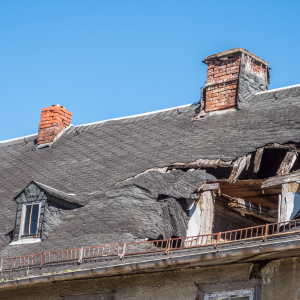
The weather in Fort Worth may be unpredictable, and homeowners often have to deal with a variety of difficulties that come up during storms. By knowing what forms of damage are most common, sellers may get ready for the sale process and know what buyers will want. Roof damage is one of the worst things that can happen after a storm, especially if it was caused by hail. Shingles can crack or come loose, and in the worst cases, you might have to replace whole sections of the roof. If there are difficulties with the roof, water can come in and leak, which can lead to mold and other long-lasting problems.
Storms can also break windows and doors. Strong winds can break glass or damage seals, which can let in drafts, water, and windows that aren’t as energy-efficient. People often consider that fixing windows is important since it affects both safety and comfort.
Another prevalent problem is water damage, which happens a lot in places that experience a lot of rain or flooding. Sellers should watch for any signs of mold or moisture, because even a little bit of water can cause huge difficulties if it isn’t fixed. Problems also happen a lot with gutters and siding. Even though these outer pieces may look like they are simply for show, damage to them could cause big difficulties with the building over time.
Don’t forget about the landscape, either. Even while broken branches, fallen trees, and eroded soil aren’t part of the house itself, they can change how it looks from the street and how much work it needs.
If you want to sell a house in Fort Worth that was damaged by a storm, it helps to:
- Look at the full property.
- Fix things that could hurt you, like broken trees or loose roofs.
- Make repairs to things that could make matters worse.
- Keep track of everything for potential purchasers.
- If sellers know what kinds of storm damage happen most often, they may better market their home and avoid surprises during buyer inspections.
Things to Keep in Mind When Selling Your Home After a Storm
If your home was destroyed by a hurricane, there are several unexpected options for selling it — including working with Texas home buyers who specialize in storm-damaged properties. Many homeowners struggle with whether to repair the damage before selling or to list the property as-is and let the next owner handle the restoration. This section explains the advantages and drawbacks of each approach, as well as how insurance claims and disclosure requirements can influence the sale. By choosing the right path, you can maximize your return while minimizing stress.
Should you repair your house before selling it if it was destroyed in a storm?
After a hurricane, one of the first things homeowners have to do is decide whether to fix the damage before selling or sell the house as is. On the one hand, restoring damage, like replacing windows or roofs, might make the house more appealing to a wider range of purchasers. People who want to move into a property right away could be willing to pay more for one that has already been repaired and checked out.
But repairs can cost a lot of money, especially if the storm damage is extensive. A lot of sellers have to choose between the cost of repairs and the money they expect to make. If repairing the house is too expensive or you don’t have enough time, it can be better to sell it as is. People who are adept at buying and fixing up damaged properties will be interested in buying it as is, which can save you a lot of stress and time on the market.
Getting repair quotes from a couple of companies will help you make a good choice. Getting documents also helps clients trust you, even if you don’t rectify the damage. Being honest about the condition of the home might help you avoid complications later, including having to renegotiate or disagreeing over inspections. Buyers usually enjoy honesty.
Ultimately, whether or not to fix your storm-damaged property before selling it depends on how much time and money you have and how motivated you are to do the repairs. Some sellers are fine with putting in the time and money, while others prefer how easy it is to sell as-is. There is no right or wrong choice; it just depends on which one works best for you.
Investigating rules about insurance and disclosures

If you sell a house in Texas that was damaged by a storm, you have two significant things to do: get insurance and make disclosures. It will be a lot easier to sell if you know how both of them work. A lot of the time, getting money from insurance is a key part of fixing storm damage. Sellers should examine their insurance policies carefully to find out what damage is covered and whether they can make repairs before selling. Even if you aren’t rectifying the damage, buyers will still want to examine the paperwork and claim history.
According to Texas law, sellers must advise buyers about any problems they know about with the property, such as damage from storms. That means you have to let buyers know about any leaks, roof problems, flooding that has happened before, or any damage you find. It’s also important to let the buyer know about any past insurance claims, since they could change the buyer’s future premiums.
It’s not just the law that says you have to be honest and thorough when you make disclosures; it also makes the sale obvious and fair. You could be sued long after the sale is done if you don’t tell the buyer about damage. To avoid confusion, a lot of sellers talk to real estate brokers or lawyers who know a lot about Texas property law.
If sellers keep accurate records and are honest about what they know, they can avoid difficulties and make buyers feel more confident about going through with the deal. Good communication and a clear paper trail are vital for building trust and making sure the sale goes smoothly from start to finish.
Selling Your House in Texas “As Is”: Quick, Simple, and Still Profitable
If you don’t have the time or money to fix things up, selling a home as-is, especially one that was damaged by storms, can be an excellent option. The competitive real estate market in Texas has made properties that are already in good shape more desirable, especially with investors who want to fix them up. If sellers know how it works and clear up any ambiguities, they could feel more confident about an as-is sale and still obtain a reasonable price.
There are pros to selling as-is.
There are a lot of compelling reasons to sell your home as-is, especially if you reside in a region that has had a lot of catastrophic storms. One of the best things about it is how fast it is. If your home doesn’t need any repairs or changes, it can go on the market almost right away. Cash buyers, investors, and groups who buy houses usually place these kinds of properties at the top of their lists since they know they will have to fix them up.
Another benefit is that you can save money. Repairs, especially those for storm damage, can be expensive and hard to plan for. Selling as-is allows you to sidestep these fees up front and decreases the risk of investing money on renovations that don’t necessarily make the home worth the money.
It’s also less stressful to sell as-is, which is something to consider. People who own homes don’t have to worry about getting permits, hiring contractors, or meeting project deadlines. Instead, they can focus on closing the deal and moving on.
Lastly, people who want to be able to make adjustments to the property to fit their needs prefer the idea of selling it as-is. Some buyers would rather not buy a house that has already been fixed up. They would rather be able to conduct the remodeling themselves, based on their own likes and budget.
Things People Don’t Understand About “As-Is” Sales
A lot of sellers don’t like the idea of an as-is sale since they don’t understand how it works. A common idea is that if you sell as-is, you’ll get very low offers. Some buyers may want a deal, but most investors make offers based on what the market is really worth and how much it will cost to fix it.
Another popular perception is that only buyers who pay cash are interested in properties that are “as-is.” This is because cash transactions are more usual when the house is in bad shape. But if the property passes habitability standards, certain common ways to pay for it still work.
Some vendors also believe that “as-is” means they don’t have to tell purchasers about problems they know about, but Texas laws still compel them to be honest. Giving extensive information doesn’t hurt your chances of selling; in fact, it usually makes things run more easily.
Many people who own homes are scared that selling their home as-is will make it look terrible or signal that they are in trouble. In locations where storms hit often, buying things as-is is fairly common, and buyers usually see them as opportunities instead of red flags.
If homeowners realize what selling as-is actually means, they can avoid fretting about things that aren’t important and go through the process with reasonable expectations.
How to Look at a Cash Offer for Your Home That Was Damaged by a Storm
Cash offers are especially appealing for homes that were damaged by storms since they make it easy to seal the purchase. Sellers can move through the process more quickly and with fewer hassles because they don’t have to worry about what lenders want or how purchasers will pay for the house. This section tells you what to expect when you get a cash offer and helps you compare that option to other traditional ways of selling.
How the Cash Offer Process Works

Cash offers could make it a lot easier to sell a home that was damaged by a catastrophe. People who buy with cash, who are usually investors, can quickly look at your house and make an offer based on how it is right now, without having to do repairs or perform a lot of inspections. Things normally move fast after you accept the offer, and the deal can be done in as little as a few days.
Unlike typical buyers, cash buyers don’t have to worry about their financing going through. This dependability is very helpful for sellers who want to be confident after dealing with the stress of storm damage.
That said, cash purchasers frequently include the cost of repairs in their offers, so the first figure may be lower than what it would be in a normal market. When sellers think about how much it will cost to fix things and how long it will take to sell their house, they still think cash offers are the best option.
In Fort Worth, where storm damage is more common, selling to a cash buyer can also prevent you from having to show your property several times, having hard conversations, and bargaining about inspection issues. A lot of sellers feel better when they pick a path that helps them move on quickly and without any extra stress.
Comparing Cash Offers to Other Ways of Selling
When you have to select between a cash offer and a traditional sale, it’s important to know how each one will affect your schedule, net income, and overall experience. Cash bids usually close fast, don’t have to deal with financing concerns, and don’t need as much upkeep. This makes them great for customers who want to sell a house that was destroyed by a calamity and want a process that is easy to understand.
On the other hand, traditional transactions normally take longer and involve stages like staging, repairs, inspections, and more. They might receive better deals, but those deals also come with increased risk. After an inspection, buyers may ask for more repairs or have difficulties receiving a loan. This can delay or even stop the deal.
It’s challenging to sell homes that were damaged by hurricanes in the usual ways. Many lenders may want to see repairs done before they will approve loans for properties with major structural problems, roof damage, or water damage.
The greatest choice will depend on what you want to do. A traditional sale might be a smart idea if you want to get the most money for your property and can afford to fix it up. A cash buyer is usually the best alternative if you want things to go quickly, easily, and with a guaranteed close.
Selling a storm-damaged house in Fort Worth, TX, doesn’t have to be stressful or complicated. When you understand your options, gather the right documents, and choose the best way to sell, you can move through the process with confidence. By being open and honest about the home’s condition, you can attract the right buyer and secure a fair offer—whether you decide to make repairs or sell the property as-is. If you prefer a faster, simpler option, Ready House Buyer buys houses for cash in any condition, so call us today to see how we can help.
FAQs
What are the benefits of selling a house in Fort Worth, TX that was damaged by a storm as-is?
Selling as-is helps homeowners avoid repair costs, makes the process quicker, and finds cash buyers who are interested in houses that need maintenance.
Why is it important to be honest when selling a house that was damaged by a storm?
In Texas, sellers have to warn buyers about any difficulties they know about. Being honest builds trust, keeps you out of trouble with the law, and makes conversations go more smoothly.
What forms of storm damage are common in Fort Worth that make it hard to sell a house?
The most common problems include roof damage, broken windows, and water problems like leaks or flooding. These can make the residence worth less and less attractive to purchasers.
How do cash offers compare to ordinary sales for homes that storms have destroyed?
Cash offers close faster and don’t have to wait for the lender, but they can be cheaper than ordinary offers that need repairs.
What legal issues should you think about when selling a home that was damaged by a storm?
Texas law says that sellers must advise buyers about any damage they know about, disclose a history of insurance claims, and make sure all the documentation is right.
Helpful Fort Worth Blog Articles
- Selling Your Old Home In Fort Worth, TX
- Can A Seller Back Out Of A Real Estate Contract In Fort Worth, TX?
- Selling A House As-Is In Fort Worth, TX, Without Renovations
- Selling A House With Title Issues In Fort Worth, TX
- Selling Your Fort Worth, TX, Home Below Market Value
- Expense Of Replumbing Your Home In Fort Worth, TX
- Selling Your Fort Worth, TX, Home Successfully
- Selling Your Fort Worth, TX, Home Amidst A Pending Lawsuit
- Selling A House with Solar Panels in Fort Worth, TX
- Can You Sell a House As Is Without Inspection in Fort Worth, TX?
- How Long Can Seller Stay in House After Closing in Fort Worth, TX
- For Sale by Owner Buyer’s Agent Commission in Fort Worth, TX
- Closing Costs on Rental Property in Fort Worth, TX
- Can Someone Sell My House Without Me Knowing in Fort Worth, TX
- Should I Sell or Refinance My Home in Fort Worth, TX
- Selling A Storm Damage House in Fort Worth, TX