

Understanding tenant rights, leases, and the sales process can become quite complicated when dealing with the sale of a tenant-occupied property in Texas. This complexity increases when there are set leases with tenants and when a property owner needs to communicate with them to ensure a smooth sale. Even if you are a homeowner making your first sale, or an experienced investor looking to make your tenth offload, you will find value in this guide and learn how leases impact the sale, and how to stay legally compliant with Texas laws, while also keeping your tenants happy. Texas has some of the most complex laws for sales involving tenant-occupied properties, so we aim to simplify them with this guide.
Key Highlights
- Understand tenant leases and Texas property laws for smooth transactions and tenant cooperation.
- Legal and leasing implications significantly influence property marketability and sale negotiations.
- Effective communication retains tenant satisfaction and aids smooth ownership transitions.
- Lease agreements profoundly impact property valuation and can affect buyer interest.
- Coordinate tenant schedules thoughtfully to balance property showings and tenant rights.
Selling a Tenant-Occupied Property in TX: Key Considerations
Texas homeowners selling a tenant-occupied house must consider both the legal and practical aspects of the case to keep the process smooth and straightforward. Because of state and federal laws, there are tenant protections that keep leases intact, regardless of who owns the house. Landlords must honor the lease agreements, communicate with the tenants, and notify them of the sale. To keep legal matters in check, clear communication will prevent most conflicts and keep tenants and buyers up to date and ready for every step of the transaction.
Some tenants can help or hurt the sale of the property by the length of their lease. For example, lease agreements can dictate the property’s value and sale potential. Long-term leases are attractive to investors seeking steady income, while short, month-to-month leases are more attractive to owners looking to occupy the property. Therefore, from a legal standpoint, considering these factors helps minimize problems, keep tenants happy, and achieve sales goals legally.
Ready House Buyer provides fast, hassle-free cash offers for tenant-occupied homes in Texas, helping property owners navigate legal requirements, respect tenant rights, and close sales quickly while minimizing complications and ensuring a smooth transaction for all parties.
Legal Aspects of Selling Tenant-Occupied Properties
Texas law makes the sale of a tenant-occupied property a complex legal issue. Owners of such properties should have a working knowledge of both state and federal laws as they pertain to tenants and renting, as there are many ways to get into legal trouble. For example, owners must honor lease agreements, meaning the lease continues even after the property is sold unless both the owners and the tenants agree otherwise. As a landlord, you have an obligation to provide your buyers with a property disclosure that describes the terms of the current lease and any tenant issues that may concern the new owner. This is both legally necessary and good, off-the-record reasoning for avoiding misunderstandings and lawsuits.
The Texas Property Code requires disclosure of both the property’s condition and the lease terms. These disclosures present the obligations and rights that the property buyer will inherit due to the tenant(s) and the property’s tenant obligations and rights that the buyer must keep. If the buyer overrides disclosure obligations, they may face legal issues that could most likely end the sale. It cannot be emphasized enough that the tenant law will be governing the sale from start to finish in terms of the tenant law governing the sale.
The Texas tenant law specifies the obligations of the property owner with existing lease agreements, and reiterates that the tenant’s rights remain intact after a sale. New purchasers must understand that they will assume the obligations of the prior landlord pursuant to the existing lease agreements. This especially concerns buyers and tenants/lessees, as most rights and obligations will carry over to them with the change of ownership. Selling a tenant-occupied property in Texas without a good understanding of these legal issues can create avoidable problems.
Understanding the Impact of Lease Agreements on Sales
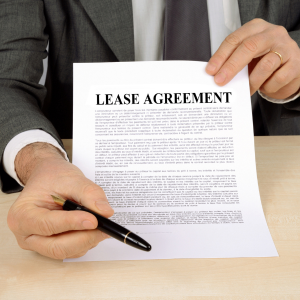
Lease agreements are a cornerstone in the sale of tenant-occupied properties in Texas, as they profoundly affect both the valuation and appeal of the property. A well-managed lease can be a selling point, showing potential buyers a steady, reliable source of income. For property owners, it’s important to recognize how existing leases influence buyer interest and the terms of the offer. As a lease agreement approaches its termination, the new owner may have the option to remain flexible by altering the terms or changing the entire structure of the lease. On the contrary, a long-term lease guarantees steady rental income, but may pose challenges as an inflexible lease offers little room for immediate modifications.
The type and terms of lease contracts also influence how quickly a property can sell. For example, short-term leases can entice property buyers who want control over lease terms after the purchase, while long-term leases can bolster a property’s investment potential by providing guaranteed rental income for an extended period, which can also be attractive to investors who want less risk. Regardless of how leases may entice buyers, property owners have an obligation to show transparency in these areas by providing lease-related documentation to prospective buyers to minimize post-sale litigious disputes.
Knowledge of the impact that lease agreements have on a property’s value is necessary to negotiate with potential buyers. From a distance, buyers may appear very interested in a property, but they may be running a conditional negotiation based on the opportunities and challenges posed by a lease. This understanding gives landlords the opportunity to better place their tenant-occupied homes for sale in the Texas real estate market. Ultimately, a well-thought-out and executed leasing strategy leverages the benefits of lease agreements to increase a property’s value while easing its transition to new owners.
Thinking of selling your tenant-occupied property in Texas? Contact us today for a fast cash offer and learn how your existing lease agreements can work to your advantage.
Informing Tenants About the Sale
Notifying tenants before selling a property isn’t merely a matter of following legal procedure. It’s an important part of how seamless the ownership shift will be. Speaking with tenants helps ensure they understand their rights and lease obligations, as well as what is required of them during the transfer of ownership. Proper notices, followed by an explanation, help reduce confusion. It also helps tenants answer your questions as you coordinate property inspections or showings. It allows tenants to retain a positive relationship with the property. By keeping tenants’ relationships positive, they help ensure the property remains appealing to prospective buyers and existing tenants.
Consider the notification to tenants a starting point. Thoughtful communication may enhance tenants’ willingness to cooperate. It may also help encourage them to buy the property. Establishing open and clear communication helps tenants maintain the property, adhere to showing and buy schedules, and minimize concerns. Be sure to communicate sensitive details, like tenants’ schedules and needs. Minimizing the need for communication will help ensure you are considerate of the tenants when you are showing or buying. It will also help you achieve your desired outcomes when buying and selling the property. It will also help you to achieve your goal of selling or buying the property.
Best Practices for Communicating with Tenants
A landlord should explain the process of selling the property to the tenants, and lead time and communication should be a priority. Texas law is not specific about the time frame for notifying tenants of a sale; however, tenants should always be given a lead time for the sale, as it is a best practice. From the standpoint of both tenants and landlords, written communication serves as documentation that protects both parties and eases the transition. It is also a way to be proactive and ease the stress on tenant-landlord relations during the transition.
Communication should also explain the effect the sale will have on the tenants, beyond the fact that the new owners will take over the existing leases. In property sales, tenants with leases don’t have to worry because the new owners will manage everything as stated in the lease. Owners of the property should be prepared to answer questions regarding the need to vacate, management arrangements, lease changes, and showings. Clear communication about the timeline and expectations is necessary for the sale to go smoothly.
Open communication can turn tenants into partners in the selling process. Landlords can offer cooperators incentives, such as a temporary rent reduction or a lease extension. In fact, some tenants may wish to buy the property themselves. Professional and respectful communication can be legally protective and, like the other factors mentioned, create a more seamless process.
Potential Tenant Reactions and Handling Them

A significant concern for property owners contemplating a sale is anticipating how tenants might react upon receiving notice. Responses can vary widely, from understanding and cooperative to anxious or resistant. Preparing for a range of responses allows landlords to handle situations with confidence and professionalism, especially when considering offers from Texas cash buyers.
Most tenant anxiety stems from concerns about the security and stability of their existing lease. Tenants often feel new owners will not honor the agreements of prior owners. Although owners cannot reiterate or expand on the leases for tenants, owners may reassure tenants that Texas law requires new owners to honor existing lease agreements or terms. Providing tenants with this information will help them secure their leases and reduce their anxiety about complying with them.
Easing tenant fears and concerns can help the entire leasing process and help returning tenants. Tenants can often help with showings and negotiations, especially if they feel their concerns have been taken into account, their disruptions/annoyances have been minimized, and they feel appreciated. A tenant’s fears will be alleviated through lease/relocation/other flexible agreements. Even offering the initial purchase opportunity to tenants may help finalize the sale and benefit all involved.
The sale process can become complicated if tenants respond negatively to the planned sale. It is important to stick to your plan and remain professional, respond to any complaints, actively participate in addressing a grievance, and continue negotiating. If this situation becomes complicated, you can seek guidance from an attorney specializing in Texas tenant law. Thoughtful, preemptive approaches to tenant reactions will enable owners to maintain their rental relationships and facilitate a successful, orderly sale of the property.
How Lease Agreement Types Influence the Sale
The types of lease agreements at a tenant-occupied property are important to understand when selling such property in Texas. Depending on the terms and conditions of the lease agreements, they could either add complexity to a sale or simplify the sale. While long-term leases could provide guaranteed income for conservative investors, short-term leases could be more attractive to buyers seeking flexibility. From the lease agreements, property owners can make a more accurate assessment of potential buyers’ perspectives on the property and subsequently adjust their sales approach.
Knowledge surrounding lease agreements enables owners to negotiate and position the property to enhance overall market value. Knowledge of early termination clauses, renewal clauses, and rent escalation clauses puts sellers in a better position to emphasize the upsides and mitigate some downsides. Property owners can better engage the right buyers and make lease agreements more buyer-friendly.
| Lease Agreement Type | Market Impact | Buyer Profile | Negotiation Dynamics |
|---|---|---|---|
| Fixed-Term Lease | Stable Property Value | Long-Term Investors | Limited Flexibility |
| Month-to-Month Lease | Variable Interest | Opportunistic Buyers | High Flexibility |
| Sublease Agreement | Uncertain Stability | Speculative Buyers | Complex Negotiations |
| Ground Lease | Consistent Value | Commercial Developers | Long-Term Commitment |
This table highlights the complexities and opportunities associated with various lease agreements in the sale of tenant-occupied properties, emphasizing the strategic planning required to navigate real estate transactions effectively.
Different Lease Agreements and Their Market Impacts
In Texas, selling properties with leases can present both challenges and opportunities, with each type of lease offering a little of both. Depending on how much flexibility the buyer would like, a short-term lease could help entice them, though with a long-term lease, they would be able to enjoy a greater overall income stream with greater income predictability. Thus, a long-term lease could help attract buyers who value stability.
Knowing how different lease agreements affect the market, we need to analyze the different types of buyers. Real estate investors focusing on capital appreciation tend to favor short-term leases. These leases leave room for future redevelopment or future increases in lease prices. Also, the remaining lease term at the time of sale can significantly limit negotiating power.
Different types of lease contracts definitely affect the market. For example, contracts that allow the leasing company/leaser to terminate the contract if/when the property is sold will give the leaser an advantage during negotiations, but such a clause could worry tenants about their housing stability. Overall, property owners who understand the full implications of each lease will better utilize their opportunities to sell. The lease type can help balance the pros and cons of the contract and emphasize to the owner the need for more customized contracts.
To navigate these complexities, consider the following key factors influencing property transactions in Texas:
–Lease Terms and Conditions: Understand the existing lease agreements, including tenant rights and obligations, as these can affect property valuation and marketability.
–Market Demand for Rental Properties: Evaluate current market demand for rental homes in the area, as this influences both the attractiveness to investors and potential rental income.
–Property Location and Neighborhood Trends: Analyze the location’s growth prospects and neighborhood developments, which can impact long-term property value and tenant retention rates.
–Inflation and Interest Rate Trends: Monitor macroeconomic conditions, such as inflation and interest rates, as these can affect financing options and overall investment returns.
– Local Legislation and Regulations: Stay informed on Texas-specific rental property laws to ensure compliance and avoid potential legal complications that could deter prospective buyers.
Acknowledging these factors will enhance strategic decision-making during property sales in the Texas market.
Options for Property Owners Post-Sale of Rental Units

When a tenant-occupied property sells, owners have options based on the lease terms and the buyer’s needs. One approach could be streamlining things by preparing documents and introducing the tenant to the new owner. These tenant introductions can also be handled by property management companies to ensure tenant disruption and continuity. More focus on managing tenant introductions can also be directed toward tenant-involved property management companies.
Additionally, property owners can provide feedback on how the property under new management could be more attractive to tenants. New owners/operators, along with old owners, can better understand tenant needs and revenue-friendly operations. Also, new owners/operators can wait to manage, renegotiating leases to collaborating on lease terms.
Landlords also have duties regarding security deposits and obligations to tenants after a property sale. Transferring them is legally and ethically required. Owners can also inform others about Texas rental laws to avoid legal trouble.
Ultimately, post-sale options highlight the importance of strategic planning and careful execution during the transition. By addressing these elements professionally, owners uphold legal standards and facilitate a smoother handoff. This approach helps maintain strong tenant relationships and effective property management, especially when working with cash house buyers in Dallas and other Texas cities.
Tenant-Occupied Showings: Strategies for Texas Sellers
Balancing buyer access and tenant rights when selling an occupancy property begins with an owner’s understanding of state rental laws, effective communication, honest coordination, and compliance with the law. A successful outcome is achieved when owners and vendors address the tenant’s needs for the property. Keeping the tenant’s rights in mind, disruption of the tenant is kept to a minimum, while the property is kept for the buyer’s tenants.
To address the needs of all parties, communication has to be positive. Owners must present a timeline for the sale, outline the steps to be taken, and describe the tenants’ rights. Positioning the tenant and tenant rights as a priority, and achieving a positive working relationship. Scheduling a time for a tenant to demonstrate and value is contracted affects the spirit of tenant rights.
Coordination can be further improved by working with a property management company. Property managers can handle scheduling, provide proper notice, and act as intermediaries to keep all parties informed. Following legal notice requirements and considering small incentives, such as rent discounts or gift cards, can also encourage tenant cooperation and goodwill.
To minimize disruption, landlords can use flexible showing strategies, such as virtual tours or grouping in-person visits into set time blocks. Staying compliant with Texas tenant laws and remaining open to tenant feedback not only avoids legal issues but also fosters cooperation, helping present the property in its best possible condition.
Selling a tenant-occupied property in Texas involves understanding complex tenant rights and lease agreements. Adhering to the legal requirements can ensure a smooth transition for both sellers and tenants. Clear communication and respectful negotiation are key to maintaining tenant cooperation and mitigating potential disputes. It is crucial to familiarize yourself with Texas property laws or consult with legal experts to navigate potential challenges effectively. By promptly addressing concerns and ensuring proper documentation, sellers can successfully navigate the intricacies and proceed with the sale while upholding tenants’ rights and fulfilling legal obligations.
FAQs:
What considerations should be taken when selling a tenant-occupied property in Texas?
Property owners must navigate tenant rights, lease agreements, and state laws to ensure compliance. It’s important to honor existing leases, communicate smoothly with tenants, and manage the property effectively to foster good relationships.
How are tenant rights protected during a property sale in Texas?
Under Texas law, existing lease agreements continue after the sale unless both parties agree otherwise. Owners must provide accurate property and lease disclosures to potential buyers to ensure transparency and avoid legal issues.
How do lease agreements impact the sale of a tenant-occupied property?
Lease agreements affect property valuation and buyer interest. Short-term leases offer flexibility, whereas long-term leases provide income stability. Owners should clearly communicate these terms to potential buyers to prevent misunderstandings.
What strategies can be used to communicate with tenants about a property sale?
Providing timely notices and ensuring tenants understand their rights and any lease changes is essential. Clear, respectful communication helps prevent misunderstandings and encourages tenant cooperation during the sale process.
How should showings be managed in a tenant-occupied property?
Coordination with tenants is crucial. Schedule showings at convenient times and give tenants ample notice to honor their privacy. Consider flexible strategies, such as virtual tours, to minimize disruption and maintain tenant satisfaction.
Looking to sell your home without the stress? Ready House Buyer offers fair cash offers, no repairs needed, and handles every step for you. Contact us at (214) 225-3038 for a no-obligation offer today.