
Picture this: you’re ready to sell your house in Cedar Park, but your septic system just failed inspection. The drain field is saturated, there’s sewage backing up into the guest bathroom, and your real estate agent is suggesting you drop your asking price by $15,000. It’s a scenario that plays out constantly across Texas, from rural properties outside Fredericksburg to suburban homes in Katy that rely on on-site sewage facilities.
Here’s what most homeowners don’t realize until it’s too late: septic problems don’t have to derail a sale. Approximately 20% of new homes built in Texas use septic systems, and many existing properties throughout the state depend on them entirely. Whether you’re dealing with a conventional system that’s reached the end of its 15- to 20-year lifespan or an aerobic unit that hasn’t been properly maintained, there are proven strategies to sell, even with significant issues.
Septic System Regulations in Texas Real Estate Transactions
Before exploring solutions, it’s worth understanding what you’re dealing with legally. While Texas does not require a septic inspection for every real estate transaction at the state level, many counties, lenders, and title companies make it a condition of closing.
The regulatory landscape varies significantly by location. Harris County has different requirements than Williamson County, and what passes in rural East Texas may not meet standards in the Hill Country. The primary governing authority is the Texas Commission on Environmental Quality (TCEQ), which sets statewide standards while local counties and authorized agents often layer on additional rules.
Most real estate agents understand enough to recommend an inspection, but they’re rarely equipped to tell you whether your 1995 conventional system meets current standards or whether your aerobic system’s maintenance contract is actually valid. That distinction matters enormously when a buyer’s lender or title company flags an issue during underwriting. Understanding the regulatory framework before you list gives you time to respond rather than react.
Texas On-Site Sewage Facility (OSSF) Standards Explained
In Texas, septic systems are officially referred to as “On-Site Sewage Facilities,” or “OSSFs.” An OSSF treats and disposes of wastewater on the property where it is generated, and the standards governing them are comprehensive and regularly updated.
Nearly all OSSFs must have a permit prior to any construction, installation, repair, extension, or alteration. If your system was installed without proper permits, you’re looking at potential compliance issues during the sale process. Texas also distinguishes between system types: conventional gravity-fed systems, aerobic treatment units, low-pressure dosing systems, and drip irrigation systems. Each carries different maintenance and inspection requirements. What surprises many sellers is that replacing an existing system often triggers updated regulatory requirements. Older systems that were compliant when installed may no longer meet current standards, turning what seems like a simple repair into a full system upgrade.
Septic Tank Failure Signs Texas Home Sellers Should Not Ignore
Catching problems early gives you options. Here are the signs that indicate trouble:
Multiple slow drains. Not one sluggish sink, but several fixtures are draining slowly throughout the house. That’s a system-level signal, not a plumbing quirk.
Standing water near the drain field. Wet ground in that area after dry weather is a red flag that the field is failing to absorb wastewater properly.
Foul odors near the tank or in the yard. This indicates the system isn’t processing waste the way it should.
Gurgling sounds from toilets or drains. When running water elsewhere in the house causes gurgling in other fixtures, your tank may be full or your drain field may be failing. Ignoring this for months can result in sewage backing up right before a showing.
Common Septic Tank Problems That Affect Texas Home Sales
Certain problems come up repeatedly in Texas property transactions. Understanding the patterns helps you assess severity and respond strategically.
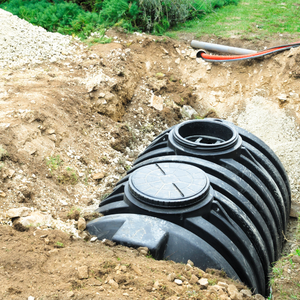
Undersized tanks. Many older homes have septic systems that were properly sized for the original structure but can’t handle additions or increased usage. Remedies typically require upgrading to a larger tank and installing additional drain field lines.
Drain field saturation. This is particularly common in areas with clay soil, such as the Blackland Prairie running from Dallas through San Antonio. Homeowners in that corridor looking to sell their houses fast for cash in Dallas, TX, or sell a house fast in Austin, TX, often encounter this issue. In many of these soils, conventional absorption systems no longer comply with current standards, meaning replacement often requires an aerobic treatment unit rather than a like-for-like swap.
Unpermitted systems. Among the most common problems in rural land sales, unpermitted systems can delay closing or require expensive upgrades. Unlike a deferred maintenance issue, there’s no easy way to work around them. Even a functioning system installed without permits creates real legal exposure.
Why a Pre-Listing Septic Inspection Matters in Texas
Getting an aseptic inspection before you list puts you in control of the narrative. Instead of a buyer discovering problems during their inspection period and using them as leverage, you can address issues upfront, price accordingly, or both. A professional inspection runs $300 to $600 and takes two to three hours, a modest investment compared to a last-minute price negotiation.
What a Septic Inspector Actually Evaluates
During the inspection, the professional examines three core areas. First, the tank itself: structural condition, inlet and outlet baffles, signs of cracking or deterioration, and whether the liquid level indicates a blockage or backup. Second, the flow through the system: whether wastewater is moving properly from the house through the tank and out to the drain field without signs of surcharging. Third, the drain field: whether effluent is being absorbed correctly into the soil or surfacing above ground, which indicates saturation or failure.
Beyond the physical evaluation, documentation matters equally. Pumping receipts, maintenance records, repair history, and original permit information all build buyer confidence. When you can show regular maintenance and timely repairs, you’re demonstrating that buyers aren’t inheriting a neglected problem. For aerobic systems specifically, maintenance contracts are a key piece of this. Texas requires a contract with a licensed maintenance provider for at least the first two years after installation, and those contracts typically run $300 to $500 a year. A current, valid contract is something buyers will look for.
Septic Tank Pumping Before Selling Your Texas Home
Experts recommend pumping every three to five years. If you can’t remember the last time it was done, that’s your answer. Pumping a 1,000-gallon tank in Texas typically runs $250 to $450, with buried access lids, heavy sludge, or after-hours service pushing it higher.
Pumping before listing accomplishes two things: it allows a proper inspection of the tank’s interior condition, and it signals to buyers that the system has been maintained responsibly. During pumping, a professional can also check inlet and outlet baffles, look for cracks in the tank walls, and identify early signs of drain field stress. These observations can catch problems before they become deal-breakers. A clean pump-out with a written service report is cheap insurance against a bad inspection.
How Septic Tank Problems Affect Home Value in Texas
The financial impact depends heavily on severity and how you handle it. Minor issues, such as needing a pump-out or basic maintenance, may cost you $1,000 to $3,000 in negotiating leverage. Major problems like failed drain fields or tanks needing replacement can affect value by $10,000 to $25,000, depending on repair costs and local market conditions.
Texas statewide inventory sat at about 5.4 months of supply as of June 2026, roughly level with 5.6 months a year earlier and well above the tight market of a few years ago, which means buyers have time and options. In a balanced market, unresolved property issues give buyers real negotiating room. It’s also worth noting that buyers with financing are often advised by their agents to factor in repair costs plus a contingency buffer, so a $10,000 repair estimate may translate into a $13,000 to $15,000 price reduction request. Addressing septic problems before listing, or pricing transparently based on actual repair costs, removes that leverage and shortens negotiation cycles. Pricing works differently in the parts of North Texas where septic is the norm rather than the exception. We buy houses in Waxahachie and the surrounding area, working system or not.
Septic Tank Repair vs. Replacement Costs for Texas Sellers
Understanding costs helps you make the right call. Labor for septic repairs in Texas typically runs $275 to $375 per hour plus materials. Full system replacement usually lands between $6,000 and $15,000, with more complex installations (poor soil, strict county requirements, challenging site conditions) potentially exceeding $20,000.
The 50% Rule: When Replacement Makes More Sense Than Repair
A useful rule of thumb: if repair costs exceed 50% of replacement cost, full replacement is usually more cost-effective, especially for systems approaching the end of their 15- to 20-year lifespan. Partial fixes can also create complications by masking underlying problems or triggering additional permit requirements for the work involved.
Getting multiple quotes from licensed contractors before making this decision, or before entering price negotiations with a buyer, keeps you grounded in actual numbers rather than worst-case estimates. Contractors are also required to pull permits for most repair work, so ask upfront whether the quoted price includes permitting fees and any required soil testing, since those costs add up quickly in certain Texas counties.
Texas Septic Repair Permits, Licensing, and Timeline Requirements
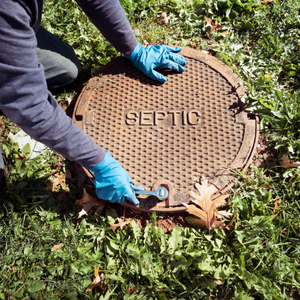
Any paid work on an OSSF must be performed by a TCEQ-licensed installer. This isn’t optional, and using unlicensed contractors can create bigger problems than the original issue while also exposing you to liability.
On the timeline front, permit costs generally run $300 to $1,200 depending on county and system complexity, and the permitting process alone can take several weeks before any physical work begins. For major repairs or full replacement, budget four to eight weeks minimum from permit application to completion, assuming no delays from soil conditions, weather, or materials. Sellers who don’t factor this into their listing timeline often end up in a difficult position mid-transaction.
Texas Seller Disclosure Requirements for Septic System Problems
Texas law is specific and non-negotiable here. Texas Property Code §5.008 requires sellers to disclose known septic defects on the Seller’s Disclosure Notice, TREC Form 55-1, or the Texas REALTORS version TXR 1406, with the separate Information About On-Site Sewer Facility form (TXR 1407) attached to detail system type, age, and maintenance history.
How to Complete Form TXR 1407 Correctly
You fill out TXR 1407 yourself. It’s not your agent’s responsibility. It’s not a warranty and doesn’t replace a professional inspection, but it creates a paper trail that protects both parties. Vague answers or deliberate omissions create legal liability under the Deceptive Trade Practices Act, with potential damages, rescission, and penalties. The legal exposure from hiding known problems far exceeds any short-term benefit.
If a failing system is reported to the relevant authority, the property owner typically has 30 days to make substantial progress on remedying it. After that, enforcement mechanisms are available. Septic is not the only defect that has to go on paper. The same write-it-down rule drives selling a house with mold in Texas, and the liability for hiding it looks identical.
Environmental Compliance for Septic Systems in Texas
Texas rules are designed to protect groundwater and public health. Among the key requirements: under 30 TAC 285.91(10), the tank must sit at least 10 feet from a private water line, 50 feet from a private water well, and 50 feet from streams, ponds, rivers, and lakes, while the disposal field needs 100 feet from a well and 75 feet from those water bodies. These setback requirements can affect both placement and replacement options for existing systems.
In environmentally sensitive areas, particularly the Edwards Aquifer region around San Antonio, additional requirements apply. The Edwards Aquifer Authority enforces its own set of rules that go beyond standard TCEQ requirements, and some properties in that zone are restricted from certain system types entirely. Properties near water bodies or in groundwater protection zones face stricter oversight and potentially higher compliance costs. Knowing this before you list helps you avoid surprises and allows you to budget accurately for any required system work.
How to Market and Price a Texas Home with Septic Issues
Transparency is more effective than concealment, both ethically and strategically. Trying to hide problems typically creates suspicion and worse negotiating outcomes when they surface during inspection.
Lead with honesty. “Septic system recently inspected and pumped; records available” is a strong line. It tells buyers the system has been maintained and that you’re not hiding anything.
Price based on actual repair quotes, not worst-case thinking. If drain field replacement quotes range from $8,000 to $12,000, pricing your home $15,000 below comparable properties gives buyers a clear signal and removes the guesswork. Consider offering repair credits rather than straight price reductions. A $5,000 credit for specific repairs often feels more concrete to buyers than an equivalent price drop, even though the financial result is identical.
Educating buyers who are unfamiliar with septic ownership, especially those coming from urban areas, also works in your favor. Consider preparing a one-page summary of the system type, age, last pump-out date, maintenance contract status, and estimated annual upkeep costs. Buyers who understand what they’re getting into are less likely to develop cold feet after inspection or use septic concerns as a renegotiation tool after going under contract.
What to Do After a Failed Septic Inspection When Selling in Texas
A failed inspection isn’t a dead end, but how you respond in the first few days shapes the rest of your sale. Here’s what to do right away:
- Don’t panic or make verbal commitments to buyers. You have time to assess the situation properly. Agreeing to repair costs before you have contractor quotes puts you at a disadvantage.
- Get at least three quotes from TCEQ-licensed contractors. Repair estimates vary widely. One contractor may recommend full replacement while another identifies a targeted fix. You need multiple perspectives before deciding anything.
- Request a written scope of work, not just a price. A quote that specifies exactly what will be repaired, replaced, or permitted protects you from scope creep and gives buyers something concrete to review.
- Notify your real estate agent immediately. They need to understand the situation before communicating anything to the buyer’s agent. Miscommunication at this stage can create legal exposure.
- Review your disclosure forms. If the inspection revealed something you weren’t previously aware of, your disclosure obligations have changed. Update your forms accordingly and consult a real estate attorney if the issue is significant.
- Consider your timeline options. If repairs will take four to eight weeks, decide whether to pause the listing, continue with full disclosure and a price adjustment, or explore a direct sale to a cash buyer who will accept the property as-is.
Acting methodically rather than reactively keeps you in control of the process and prevents costly decisions made under pressure. If you do agree to fix it, the timing and the paperwork matter as much as the work itself. Our guide to seller repairs before closing in Texas walks through how that gets handled.
How Home Loan Type Affects Selling a House with Septic Problems in Texas
Financing type matters significantly for properties with known septic issues. The table below summarizes what each loan type requires and what it means for your sale.
| Loan Type | Inspection Required? | Who Orders It | What Triggers It | Impact on Sale |
|---|---|---|---|---|
| FHA | Yes, if the appraiser flags issues | Licensed professional or local health authority | Surface sewage, odors, or wet spots | Closing is delayed or blocked until the system passes. |
| VA | Yes, if the appraiser flags issues | Licensed professional | Any sign of failure per Minimum Property Requirements | May require repairs before closing |
| Conventional | Sometimes | Lender-ordered if suspected | Appraiser or lender discretion | More flexible; negotiable between buyer and seller |
| USDA | Yes. | Licensed professional | Required for all rural properties | The system must meet current TCEQ standards. |
| Cash | No requirement | Buyer’s choice | Buyer’s due diligence only | Most flexible; as-is sales possible |
Cash buyers operate entirely outside lender constraints. They can evaluate the property as-is, factor repair costs into their offer, and close without the uncertainty that financing contingencies introduce. For properties with significant septic issues, a cash offer that reflects actual repair costs is often a cleaner path than a higher financed offer that may fall apart during underwriting. If you’re weighing this option, we buy houses in Texas regardless of septic condition and can move on your timeline.
Alternative Ways to Sell a Texas Home with Severe Septic Problems

When septic problems are severe enough to make traditional sales complicated (failed systems, unpermitted installations, environmental compliance issues), alternative approaches are worth considering.
A direct sale to a cash buyer eliminates financing complications and allows for an as-is transaction. Ready House Buyer is experienced with exactly these types of issues and can typically provide a clear offer based on realistic repair estimates.
Owner Financing and Lease-Option Arrangements
Seller financing is another option, particularly for rural properties where buyers understand the responsibilities that come with on-site sewage facilities. Owner financing allows you to structure terms that account for septic issues while potentially achieving a better net price over time.
Lease-option arrangements can work when the system is functional but will need eventual replacement. This gives the occupant time to understand the property and plan for future costs while providing you with income and an eventual sale.
FAQs
Is it illegal to sell a house with a failed septic system in Texas?
No law blocks a sale solely because of septic issues. However, buyers using FHA or VA financing may require the system to pass inspection before closing. You must disclose known problems, but you are not legally required to fix them before selling.
Should I attempt repairs before listing?
Don’t undertake major septic repairs without first getting multiple professional assessments. If repair costs exceed 50% of replacement cost, full replacement is usually the smarter investment. Partial fixes can create complications and waste money that could have gone toward a proper solution.
What are the core legal requirements for septic work in Texas?
Almost all OSSFs require a permit before any construction, installation, repair, extension, or alteration. Any paid work must be performed by a TCEQ-licensed installer. Homeowners may perform work on their own single-family residence without a license, but the moment anyone is paid for any part of the process, that person must hold a state license.
Is buying a home with a septic system a bad idea?
Not inherently. Septic systems are common across Texas and, when well-maintained, reliable. The key for buyers is understanding maintenance requirements, ongoing costs, and the current condition of the specific system they’re purchasing.
Septic problems are solvable. The homeowners who struggle most are the ones who discover issues during the transaction rather than before it, who lack documentation, or who try to conceal what they know. Transparency, good records, and realistic pricing based on actual repair costs give you the best chance of a clean, timely sale, regardless of what condition your system is in. If you’re not sure where to start, contact us for a straightforward conversation about your options.
Helpful Texas Blog Articles
- Taxes When Selling an Inherited House in Texas
- How to Choose a Title Company in Texas in 2026
- How to sell a house by owner in Texas
- Can You Sell a House As-Is Without Inspection in Texas
- How to Sell My House to a Developer in Texas
- FHA Required Repairs in Texas
- Tenant Damage to Property in Texas
- Can You Sell A House With Termites In Texas
- Who Pays for Appraisal and Inspection in Texas
- Should I Stage My House to Sell
- How Long Does It Take to Sell a House in Texas
- Homeowners Insurance When Selling Your House
- Can You Sell Half Of A Duplex Property?
- How Much Does It Cost to Sell a House in Texas
- Can You Sell Your Home After One Year in Texas