



In Texas, is it possible to reclaim your home after foreclosure?
If you’ve encountered foreclosure in Texas, it is possible to get your home back, but it may not be easy.

If you want your property back, it is crucial that you know the options available to you, as well as the process.
How long do you have to reclaim your home in Texas?
The reclamation period is where you can reclaim home ownership by paying the debt you owe. Most foreclosures do not have a reclamation period. With your property, you may be able to reclaim ownership in Texas within the last 2 years due to tax foreclosure.
What are the exceptions to the reclamation period?
It’s true that Texas gives few redemption rights after foreclosure, but there are some exceptions:
- Tax Foreclosures: If your property is foreclosed due to taxes, you may be able to redeem it.
- Alternatives to foreclosure: Sometimes, loan modification or government programs can help you avoid foreclosure.
- Exceptional conditions: In Texas, sometimes the law acts unusually. If you want to know, speak to a lawyer.
What Legally Needs to Be Done to Obtain Your Property
In Texas, if you want to get back a foreclosed property, you need to do a few things. Knowing these steps will help keep your rights intact.

The Process of Getting a Foreclosed House Back
As Texas has a very lengthy and tedious process to reclaim a foreclosed house, the following will help you get your house back.
- Consult Legal Assistance: Find a foreclosure attorney in Texas.
- Examine the Contacts: Investigate whether all the foreclosure process steps have been executed by the other party.
- Consider Reinstatement: If feasible, consider making the payment to the mortgage company that will enable you to bring the mortgage current.
- Participate in the mediation: Be a part of mediation discussions on payment agreements.
- Participate in the mediation: Be a part of mediation discussions on payment agreements.
How Foreclosure Type Defines Your Legal Rights
If a foreclosure is a judicial or a nonjudicial one, you have the following options:
- Judicial Foreclosure: This is a court case, so there is a lot of time to defend.
- Nonjudicial Foreclosure: This is a fast process, and there is no court. This one is very common in Texas.
Before you do anything to reclaim your property, you need to know what kinds of foreclosures exist.
Exploring Alternatives: Buying Back Your Home After Foreclosure
Under What Conditions Can You Repurchase Your House?
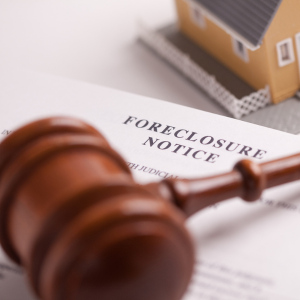
In Texas, you might have a chance to buy back your home after it’s foreclosed. You can do this during the “foreclosure redemption period.” Although this time begins after the sale of the foreclosed property, it is essential to take prompt action because the deadlines in Texas might be challenging.
To buy back your home:
- Know the exact length of your foreclosure redemption period.
- Arrange the money needed to repurchase your home.
- Follow any legal steps required before time runs out.
Financial Options Available for Buying Back Property
There are a few financial options when looking into ways to buy back your property. The key part is catching up on missed mortgage payments during the mortgage reinstatement period in Texas. Paying the overdue amounts could stop the foreclosure process.
You might consider:
- Texas Foreclosure Assistance: These programs help with financial assistance for eligibility.
- Foreclosure Relief Programs: These state-backed initiatives offer advice and financial support.
- Foreclosure Auction Participation: By having funds ready, you can try to buy your property during an auction.
Check these options soon so you can keep your home for good.
Navigating the Texas Foreclosure Laws
Key Legal Provisions Affecting Homeowners
Texas foreclosure laws outline how foreclosures happen and affect homeowners. The Texas Property Code includes requirements for foreclosure notices, which ensure homeowners get early warnings. Knowing these rules helps you deal with foreclosure better and find ways to stop it.
Key rules include
- Foreclosure Notice Requirements: Before the commencement of foreclosure proceedings, homeowners should receive notifications.
- Texas Foreclosure Mediation: Sometimes, homeowners and lenders can mediate to find solutions.
- Foreclosure Defense Strategies: Legal defenses can slow down or stop foreclosure, giving you time to determine alternatives.
What Are the Implications of Non-Judicial Foreclosure in Texas?
The majority of the foreclosure process in Texas is classified as non-judicial, which implies that the court is not engaged. Speeding up the process is possible, but it must still follow Texas-specific rules.
Implications of nonjudicial foreclosure include:
- Faster Eviction Process: Eviction might happen soon after the sale.
- Limited Foreclosure Alternatives: Quick timelines might limit options like pre-foreclosure sales.
- Specific Process Requirements: Following the Texas nonjudicial foreclosure process closely is needed to keep it legal.
Knowing these points helps you determine your situation and explore other foreclosure options.
The Basics of Deficiency Judgments
In Texas, a deficiency judgment happens when a mortgagor offers on a foreclosed property and the amount bid does not cover the remaining balance of the mortgage.

In simple terms, lenders are legally entitled to pursue the remaining balance of the debt. Anyone participating in a foreclosure in Texas should understand how deficiency judgments work.
How Does a Deficiency Judgment Affect Your Right to Get Your Property Back?
The judgment will have a significant and adverse effect on your ability to get the property back. Generally speaking, once the foreclosure process is complete, homeowners lose the ability to get the property back. Also, once a property is foreclosed upon, there’s no redemption period in Texas. You literally cannot get the property back once the foreclosure sale is finished. If you are facing foreclosure, make sure you understand the implications of a deficiency judgment and do something quickly.
Can a Deficiency Judgment Be Negotiated or Challenged?
In Texas, you can negotiate or argue against a deficiency judgment. There are foreclosure defense strategies that can help you stop or postpone a foreclosure auction. You can also make a case of wrongful foreclosure to argue against a deficiency judgment. Get a foreclosure defense attorney to help you.
Tips on How Homeowners Can Stop Future Foreclosures

Avoiding Foreclosure: With the foreclosure prevention programs offered by the state of Texas, homeowners can keep their houses as well as their finances.
Sound Financial Planning and Budgeting
Sound financial planning as well as budgeting will keep foreclosure at bay, and thus, the following steps need to be taken by homeowners:
- Analyze Your Revenues and Your Expenses: Have a balance sheet and a budget established.
- Mortgage Bills Must Be Paid First: Do not spend on luxuries before paying the mortgage.
- Build an Emergency Fund: Regularly save money to deal with unexpected costs that could disrupt mortgage payments.
Assistance Options for Homeowners Facing Foreclosure
People in Texas can take advantage of numerous programs offered by the state to relieve homeowners of their foreclosure:
- Assistance with Texas Housing Foreclosure: How to deal with foreclosure is the question they will answer.
- Assistance with Mortgage Payments: The government provided the money.
- Community Programs: Together with your advisor, go to the community programs to get counseling and financial advice on real estate.
In conclusion, foreclosure assistance programs will improve the financial condition of homeowners. The other option is to hire professionals as consultants. The Ready House Buyer is where you can get assistance.
Timeline of Foreclosure in Texas
Understanding the foreclosure process in Texas is crucial for homeowners facing financial difficulties. This section will guide you through the Texas foreclosure timeline and laws, whether it involves a nonjudicial or judicial foreclosure. You’ll also learn about what happens at a foreclosure auction in Texas.

Key Milestones in the Foreclosure Process
In Texas, the foreclosure process starts with a pre-foreclosure period. Here are the key milestones:
- Foreclosure Notice Requirements:
- Homeowners must receive a notice of default and intent to foreclose.
- The notice usually arrives at least 20 days before the sale date.
- Texas Foreclosure Timeline:
- After receiving the notice, the lender must send a notice of sale at least 21 days before the auction.
- The sale typically takes place on the first Tuesday of the month.
- Foreclosure Auction Texas:
- The highest bidder buys the property at a public auction.
- The auction takes place in the county where the property resides.
Crucial Deadlines Homeowners Should Be Aware Of
Homeowners in Texas should be aware of several important deadlines to protect their rights:
- Foreclosure Notice Requirements: Pay attention to the deadlines mentioned in the notices to act on time.
- Reinstatement Period Texas: Homeowners can restore their mortgage up to 5 days before the foreclosure sale by paying the overdue amount plus fees.
- Right of Redemption in Texas: Unlike some states, Texas does not have a statutory right of redemption after the foreclosure auction.
- Foreclosure Defense Texas: Consider legal strategies to challenge the foreclosure process or negotiate with the lender.
Legal Assistance and Resources for Texas Homeowners
If you are facing foreclosure in Texas, seeking legal assistance is essential. This section explores the available resources and how legal counsel can help your defense.

How Can Legal Counsel Help During Foreclosure?
Legal counsel can play a key role in your foreclosure defense in Texas:
- Foreclosure Defense Texas:
- Attorneys can negotiate with lenders or provide representation in court.
- They can identify any wrongful foreclosure practices against Texas law.
- Legal Counsel Texas Foreclosure:
- Ensures all procedures follow Texas law home foreclosure requirements.
- The guide will help determine the best legal options based on individual circumstances.
Community and Government Programs Offering Support
Several programs offer foreclosure assistance and relief in Texas:
- Texas Housing Foreclosure Help:
- Nonprofit organizations provide counseling and financial aid options.
- Foreclosure Relief Programs Texas:
- Distressed homeowners can get financial support or loan modification options through programs designed to assist them.
- Foreclosure Prevention Programs Texas:
- Initiatives focused on helping homeowners avoid foreclosure through education and intervention.
- Texas Foreclosure Mediation:
- Mediation services may help negotiate terms with lenders to prevent foreclosure.
For more information or personal assistance, consider reaching out to Ready House Buyer for guidance on navigating the foreclosure process.
Understanding the Impact of Bankruptcy on Foreclosure
Bankruptcy can affect foreclosure proceedings significantly. Like other states, filing for bankruptcy may delay or stop foreclosure temporarily because of an automatic stay in Texas. This legal rule pauses foreclosure efforts, giving homeowners time to rethink their financial situation.

What Type of Bankruptcy Could Delay or Stop Foreclosure?
There are two main types of bankruptcy related to foreclosure: Chapter 7 and Chapter 13.
- Chapter 7 Bankruptcy: This involves selling assets, which can stop foreclosure temporarily with an automatic stay. But this stop is only for a short time. The sale of assets might only prevent foreclosure permanently if debts are under control after discharge.
- Chapter 13 Bankruptcy: This sets up a debt repayment plan. It allows homeowners to catch up on missed payments over time. This type can be more effective in delaying foreclosure in the long term by providing a way to manage debts.
Are There Long-Term Consequences of Filing for Bankruptcy?
Filing for bankruptcy has lasting effects:
- Credit Score: Your credit score will drop a lot. Bankruptcy stays on your credit report for up to ten years and affects future borrowing.
- Debt Discharge: Bankruptcy can wipe out many debts and offer a new start financially. Still, you might need to give up some assets depending on the type of bankruptcy you file.
- Public Record: Bankruptcy becomes part of public records, which can affect job opportunities.
- Financial Recovery: Rebuilding credit is challenging but possible through wise money management after bankruptcy.
Options for Negotiating with Lenders
Talking to lenders can provide other ways to avoid foreclosure. Discussing mortgage changes or refinancing with lenders can lead to more straightforward repayment terms.

What Are Possible Terms to Discuss with Your Lender?
When negotiating with lenders, think about these terms:
- Loan Modification: Change the original loan terms to ease financial pressure.
- Interest Rate Reduction: Lower interest rates can significantly cut down monthly payments.
- Payment Schedule: Adjust the payment schedule to fit your budget better.
- Principal Forbearance: Temporarily reduce or pause the principal payment, focusing on interest.
How to Approach Loan Modifications and Refinancing
To modify loans or refinance successfully, do the following:
- Understand Eligibility Criteria: Make sure you meet the lender’s rules for modification or refinancing.
- Gather Financial Documents: Get all necessary papers, like income statements and credit reports.
- Initiate the Application Process: Contact your lender to start applications for refinancing or loan modifications.
- Negotiate Lower Payments: Agree on lower payments that suit your financial capacity.
By knowing these options and how they relate to Texas law, homeowners can manage their financial situations better, reducing the risk of foreclosure. Working with professionals and using available resources can help achieve the best result. Ready House Buyer offers helpful resources and guidance for more assistance.
FAQs:
Can I reclaim my home after a foreclosure sale in Texas?
Yes, sometimes you can repurchase your property after a foreclosure sale. The type of foreclosure and the remaining timeline will determine this. Consult a legal expert for guidance. Consult a legal expert for guidance.
What is the foreclosure redemption period in Texas?
In Texas, there usually isn’t a redemption period after a non-judicial foreclosure sale, which means you can’t regain your home. However, judicial foreclosures may offer different options, so check with a lawyer.
Is it possible to recover surplus funds after a foreclosure sale in Texas?
Texas law lets former homeowners claim surplus funds if the sale price exceeds the mortgage debt and legal costs. Contact your county for more details.
Does Texas have laws to help stop home foreclosure?
Yes, Texas offers several ways to prevent foreclosure, like mortgage reinstatement, foreclosure mediation, and housing help programs. It’s vital to act early to explore these options.
Can I be liable for additional payments after foreclosure in Texas?
A deficiency judgment might happen if the sale doesn’t cover the entire mortgage balance. Texas laws allow lenders to pursue this, so talk to a foreclosure counselor to understand your responsibilities.
What can I do if I believe my foreclosure was wrongful in Texas?
If you think your foreclosure was wrong, you can challenge it legally. Texas real estate laws provide ways to address these issues, possibly reversing or stopping the process with the proper proof.
Are there foreclosure prevention programs available in Texas?
Yes, there are many programs to prevent foreclosure, including Texas bankruptcy options and alternatives like deeds instead of foreclosure. These can help you keep your home or reduce financial stress.
How does the sheriff sale foreclosure process work in Texas?
In Texas, a sheriff’s sale involves auctioning off the foreclosed property. Understanding this process, including notices and attending sales, can help you effectively redeem or bid for properties.
Key Insights
- In Texas, you can buy back your house after a foreclosure by using the foreclosure surplus recovery process if there are surplus funds.
- Texas law offers several foreclosure alternatives, like mortgage reinstatement and deed in lieu of foreclosure.
- Judicial foreclosure in Texas might lead to a deficiency judgment if the house sells for less than the debt owed.
- To stop home foreclosure in Texas, you can use foreclosure prevention programs or mediation services.
- After a foreclosure sale, you might buy back the property during the redemption period, if applicable.
- Texas foreclosure surplus funds can be claimed, so check if any surplus funds were generated from the sale.
- Post-sale foreclosure rights in Texas may allow you to reclaim your property under certain conditions.
- Texas foreclosure moratoriums could affect your ability to retrieve foreclosed property.
- Foreclosure redemption periods and retrieving foreclosed property are governed by specific Texas property codes.
- Seeking a foreclosure counselor in Texas can help you stop foreclosure auctions and protect your home equity.
Ready House Buyer is a local house-buying company in Texas. We have built our business by buying houses for cash, whether mobile homes, condos, or single-family houses. We operate throughout Texas, and our service has helped many people sell their houses. Contact us at (214) 225-3038 or fill out our short form. These findings apply to all cities in Texas, including Dallas, Garland, Denton, Fort Worth, Houston, Arlington, Austin, San Antonio, and more! Do you still have questions? No problem! We are here to address all your real estate concerns!