![companies that buy houses [market_city]](https://image-cdn.carrot.com/uploads/sites/70573/2022/12/Company-That-Buys-Houses-1440x800.jpg)


Understanding Squatters’ Rights In Texas: A Comprehensive Guide
If you want to sell your home in Texas, you should comprehend the notion of squatters’ rights. Squatters are individuals who occupy a property without the owner’s permission.
In Texas, squatters can earn legal rights provided they meet specific criteria, such as residing on the house consistently for a set period. Selling a house with a squatter can be a tricky procedure.
Understanding Texas’s squatters’ rights laws and processes will help you confidently manage the problem. This comprehensive guide will offer you all of the information you need to sell your home to a squatter in Texas effectively.
From understanding their legal rights to knowing how to evict them, this article will teach you all you need to know about dealing with squatters while selling your Texas home.
TABLE OF CONTENTS
- Prevention Is Key: How To Keep Squatters Out Of Your Rental Property
- The Bottom Line On Dealing With Squatters In Texas
- Homeowners’ Legal Rights When Confronted With Squatters In Texas
- Selling A House With A Squatter In Texas: What You Need To Know
- Navigating The Complexities Of Squatter Laws In Texas
- Common Mistakes To Avoid When Removing A Squatter From Your Home
- The Step-by-step Process Of Selling A House With A Squatter Inside
- Differentiating Between Squatters And Trespassers: What You Should Know
- From Holdover Tenant To Trespasser: What Happens Next?
- Adverse Possession Claims Explained: What Every Property Owner Should Understand
- How Does A Property Owner Evict A Squatter In Texas?
- How Long Does A Squatter Have To Be In A House in Texas?
- Can Police Remove Squatters In Texas?
- How Do I Get Rid Of Squatters In Texas?
Prevention Is Key: How To Keep Squatters Out Of Your Rental Property

Squatters can be a serious issue for property owners, particularly in Texas, where squatter rights are relatively strong. As a landlord or homeowner, you must take precautions to keep squatters out of your leased property.
Before renting out your house, you should carefully screen potential tenants and do rigorous background checks. This can assist in screening out those who have a history of squatting or causing damage to rental properties.
Regular inspections and fast resolution of maintenance and security issues might dissuade squatters from targeting your home. Installing security systems like cameras and alarms can act as a deterrent and give evidence in the event of a break-in.
By being proactive and taking action to prevent squatting, you can avoid the inconvenience and financial strain of dealing with squatters in the future.
The Bottom Line On Dealing With Squatters In Texas
When selling a house with a squatter in Texas, there are some important aspects to consider. To begin, both the property owner and the squatter must be aware of their legal rights.
In Texas, squatters are considered “trespassers” and have no legal right to occupy a property without authorization. However, officially evicting a squatter can be a lengthy and complex process.
In these kinds of situations, homeowners should get professional help from real estate managers or lawyers who have dealt with similar cases before. Having the right paperwork and proof of control can also help get rid of squatters faster.
Following these crucial procedures will help homeowners safeguard their bottom line while dealing with squatters in Texas during the home-selling process.
Homeowners’ Legal Rights When Confronted With Squatters In Texas

As a Texas homeowner, you should be aware of your legal rights while dealing with squatters on your property. Squatters are those who live on a property without permission or legal rights.
In Texas, squatters have limited rights and can be evicted legally. However, householders must adhere to established protocols and cannot take issues into their own hands.
The initial step is to ascertain if the individual is a bona fide squatter or a tenant possessing a valid lease agreement. Should a squatter be present, the homeowner may pursue legal eviction and financial compensation for property damage.
To effectively remove squatters from their property, homeowners must first grasp their rights.
Selling A House With A Squatter In Texas: What You Need To Know
When it comes to selling a house with a squatter in Texas, there are a few things you should know. First and foremost, it is critical to grasp the laws and regulations governing squatters in Texas.
This means knowing their rights and what needs to be done formally to get them off the property. It’s also important to think about how having a squatter on your property might affect its value and the ability of future buyers to buy it.
Working with a real estate agent who has experience dealing with squatters can help navigate the tricky scenario. Overall, mastering the selling of a home with a squatter in Texas involves extensive research and awareness of the legal process.
Navigating The Complexities Of Squatter Laws In Texas

In Texas, there are several challenges to take into account when selling a house with a squatter. Understanding Texas squatter laws is the first step, as they differ by county and city.
You need to know the exact rules that apply to your situation because they can have a big effect on the sale of your home. Residents of Texas who squat on private property have certain legal rights and protections. To avoid legal problems, it is very important to handle the issue carefully and legally.
It’s also vital to communicate effectively with the squatter and try to reach an agreement on legal action. Seeking professional counsel from a real estate lawyer or seasoned realtor can help navigate complexity and reach a fair conclusion for all parties involved.
Common Mistakes To Avoid When Removing A Squatter From Your Home

When it comes to selling a house with a squatter in Texas, there are numerous traps to avoid. Removing a squatter from your house can be a difficult procedure, so educate yourself on common pitfalls to avoid.
One of the most typical mistakes sellers make is trying to get rid of the squatter themselves without going through the right legal steps. This could lead to long and expensive legal battles that would delay the sale of your home.
Another typical mistake is failing to document the procedures done to remove the squatter, which might hurt your case in court. Furthermore, neglecting to offer adequate notice to the squatter or attempting self-help tactics such as changing locks or turning off utilities might have legal ramifications for the seller.
To effectively sell your property, it’s essential to work alongside experienced professionals and follow all legal protocols when addressing a squatter situation.
The Step-by-step Process Of Selling A House With A Squatter Inside

Selling a house with a squatter inside can be complicated, particularly in Texas. However, with the proper knowledge and strategy, you may successfully handle this circumstance.
Understanding your legal rights as a homeowner and the squatter’s rights is crucial for a successful transaction. This includes becoming acquainted with applicable rules and regulations in Texas, such as the “squatter’s rights” statute.
The next step is to communicate openly with the squatter and strive to negotiate a peaceful conclusion. If it fails, you may need to seek legal assistance to evict the squatter.
Once the squatter has left the property, you can begin preparing and offering your home for sale. To facilitate a smooth sale, report any past or current squatter difficulties to your real estate agent.
By following these step-by-step instructions, you may successfully sell your home even if there is a squatter inside.
Differentiating Between Squatters And Trespassers: What You Should Know
When it comes to selling a house with a squatter in Texas, it’s critical to grasp the distinction between a squatter and a trespasser. Although both may be living on the house without authorization, there are different legal repercussions for each.
A squatter is someone who has taken up residence in a property without the owner’s permission and plans to remain for a lengthy period. Trespassers enter the property without authorization and do not intend to stay long-term.
To successfully sell their home with a squatter present, homeowners must be able to distinguish between these two categories of folks.
From Holdover Tenant To Trespasser: What Happens Next?

When seeking to sell a Texas house with a squatter residing in it, the occupant’s legal status is critical. A holdover renter is someone who was legally authorized to dwell in the property but opted to stay after their lease expired.
The seller must follow proper eviction processes to reclaim possession of the property before selling it. However, if the occupant is proven to be a trespasser (someone who has no legal right to be there), the procedure is significantly simpler.
The seller can quickly remove the trespasser and sell the property. It is critical for sellers to grasp these distinctions and how they affect the sale process when dealing with a squatter in Texas.
Adverse Possession Claims Explained: What Every Property Owner Should Understand
When it comes to selling a house in Texas, one potential challenge that property owners may face is dealing with a squatter. Not only can this create issues with the sale process, but it can also potentially lead to adverse possession claims.
Adverse possession is a legal concept that allows someone who has been occupying a property without permission for a certain period to claim ownership of the property. This means that even if you are the rightful owner of the house, the squatter could potentially gain legal ownership through adverse possession.
When dealing with squatters during a sale, it is important for property owners to know their rights and do what they need to do to protect their property from unfavorable possession claims.
How Does A Property Owner Evict A Squatter In Texas?
If you are a Texas homeowner trying to sell your home, but there is a squatter living there, you may be thinking about how to get rid of them. There are laws and processes in place to protect property owners from squatters, which is good news.
The first step is to confirm that the individual occupying your property is a squatter, not a tenant. Once this is established, you can file an eviction lawsuit.
This entails providing the squatter with a written notice to remove the premises and giving them a reasonable amount of time to leave before pursuing legal action. Follow Texas legislation to evict and sell your property successfully.
How Long Does A Squatter Have To Be In A House In Texas?
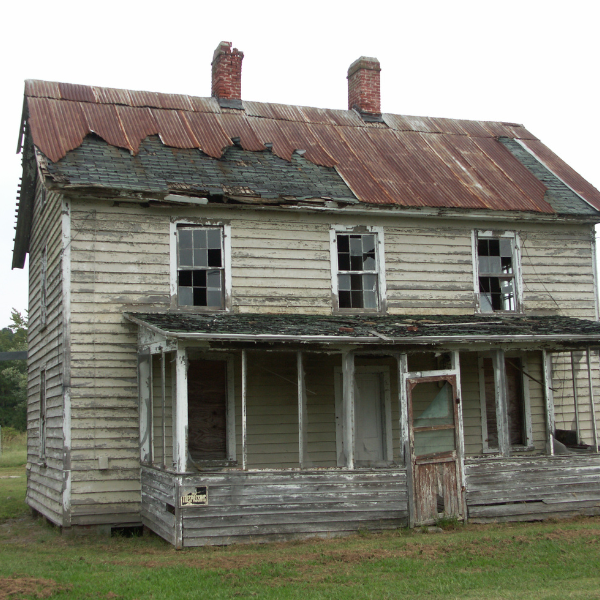
When it comes to selling a house with a squatter in Texas, many homeowners are unsure how long the squatter must be present before they can pursue legal action.
Texas law requires a squatter to occupy a property for at least 30 days before being recognized as a “tenant at sufferance” with legal rights to remain there.
But if the homeowner can prove that the squatter broke the law to get onto the house, the time frame may be shorter.
Before selling a house with a squatter, homeowners should contact a real estate attorney who is familiar with Texas regulations.
Can Police Remove Squatters In Texas?
When selling a house with a squatter in Texas, one of the most common concerns among homeowners is whether the authorities can intervene and remove undesirable tenants. The quick answer is yes, but it’s critical to understand the procedure and potential issues.
Under Texas law, squatters are considered trespassers and might face criminal prosecution. However, before involving law enforcement, it is critical to adhere to proper legal procedures and present proof of ownership.
It’s also worth noting that some cities and counties may have their squatter-specific laws and restrictions. With rigorous study and help from a real estate specialist, homeowners in Texas can successfully remove squatters from their property.
How Do I Get Rid Of Squatters In Texas?
Dealing with squatters can be a huge hurdle for Texas homeowners wanting to sell their homes. These unwelcome occupiers can complicate the sales process and potentially delay or derail the purchase.
You can get rid of renters and sell your property, though, if you know what you’re doing and how to do it. This detailed guide will look at the legal steps and actions that Texas homeowners can take to get rid of squatters on their house and make sure the sale goes smoothly.
Understanding state rules, working with law enforcement, and getting legal help are all things we can help with. Read on to find out how to sell a Texas home with a squatter living in it.
This information about selling a squatter house with fire damage in Texas applies to all TX cities, including Dallas, Fort Worth, Houston, San Antonio, and Austin.
Additional Resources To Help Sell Properties In TX
| UNLAWFUL DETAINER | EVICTION NOTICE | FORCIBLE DETAINER | SQUATTERS’ RIGHTS | HOSTILE POSSESSION | OPEN AND NOTORIOUS |
| EXCLUSIVE POSSESSION | REALTOR | CASH | TRESPASSING | NO TRESPASSING | PROPERTY OWNERSHIP |
| TENANCY | TAXES | TAX PAYMENTS | REAL ESTATE INVESTORS | PROPERTY TAXES | PROPERTY TAX |
| INVESTMENT | INVESTING | PROPERTY MANAGEMENT | MARKET | LANDLORDS | INVESTORS |
| DETAINER | U.S. | PRICE | LANDOWNER | GOOD FAITH | |
| FENCING | EXPERTISE | EXPERT | CRIMINAL OFFENSE | COMPANY | AUSTIN |
| THE SQUATTER MUST | SQUATTERS RIGHTS IN | FROM YOUR PROPERTY | AN EVICTION NOTICE | PAY PROPERTY TAXES | THE PROPERTY FOR |
| IF THE SQUATTER | AN ADVERSE POSSESSION | THE PROPERTY IN | THE SQUATTER MUST HAVE | SQUATTERS RIGHTS IN TEXAS | MAKE AN ADVERSE POSSESSION |
| A SQUATTER MUST MEET | AN ADVERSE POSSESSION CLAIM | TO PAY PROPERTY TAXES |