![How to Find the Right Realtor in Another State in [market_city]](https://image-cdn.carrot.com/eyJidWNrZXQiOiJwcm9kdWN0aW9uLmNhcnJvdC11cGxvYWRzLm9uY2Fycm90LmNvbSIsImtleSI6InVwbG9hZHMvc2l0ZXMvNzA1NzMvMjAyNi8wOS9Ib3ctdG8tRmluZC10aGUtUmlnaHQtUmVhbHRvci1pbi1Bbm90aGVyLVN0YXRlLnBuZyIsImVkaXRzIjp7InJlc2l6ZSI6eyJ3aWR0aCI6MTE1Mn0sInRvRm9ybWF0Ijoid2VicCIsIndlYnAiOnsicXVhbGl0eSI6NzB9fX0=)


You’ve got a job offer in Corpus Christi, a family situation in San Antonio, or maybe you’re just done with winters. Whatever pulled the trigger, you’re buying hundreds of miles from where you live now. Figuring out how to find a realtor in another state, someone you’ve never met, in a market you don’t know, for the biggest purchase of your life, is not a great feeling. You can’t swing by the office and read their instincts in person.
Almost 14 percent of all mortgage purchase inquiries in 2024 came from people shopping outside their home state, so you’re in good company. An out-of-state purchase still comes with no roadmap. Most advice stops at “just Google it,” which helps about as much as telling someone to “just find a good doctor.” This is the framework I’d use: what to look for, where to look, and which questions tell a real local agent from a friendly voice.
Why This Process Is Different From Buying Locally
In an out-of-state purchase, the priciest mistake follows a pattern. You hire a familiar agent. An agent who sounded great on a video call, or who your cousin swears by. Then you reach the closing table and learn the neighborhood floods every spring, the HOA is in a lawsuit, and the days-on-market figure you trusted was three months stale.
Local buyers pick up market knowledge over years of driving the same streets. You don’t get that buffer. You need a real estate agent who knows your actual submarket, not the whole metro.
As of July 2026, Redfin put the national median days on market at 49 days. Sounds like plenty of time. Then you remember your agent is running the clock remotely, lining up inspectors you’ve never vetted, and negotiating on a place you might not stand inside until closing week. Every day the wrong agent burns is a day closer to losing the property you wanted. That pressure peaks right around the inspection window, in my experience. Mapping out how to move to another state before you start touring keeps the agent search from colliding with your moving dates.
Out-of-state purchases really do raise the stakes. Generic advice skips that part.
If you’re buying out of state and want a simpler alternative, you can also consider a cash offer for your current home. Contact us to see what your property may be worth and get a straightforward offer with no pressure or obligation.
What Does a Real Estate Agent Do for Out-of-State Buyers and Sellers
Hire the wrong agent, and you may not find out until you’re already under contract. A weak local agent won’t tell you that the comparable sales they used came from a zip code three miles away. They won’t mention the listing sat 90 days before relisting at the same price. By the time those gaps surface, your leverage is gone.
Before hiring anyone, ask exactly how much a Realtor charges to sell a house and what that fee covers. Agent compensation is negotiable, and the total cost can depend on whether you’re paying for listing services only or also agreeing to contribute toward a buyer’s agent compensation. Don’t compare agents on commission alone, either. A lower fee means little if the agent prices the property poorly or provides weak marketing.
A strong out-of-state agent does a few things a remote buyer simply cannot do alone. A good agent walks properties before you book a flight, which saves you a trip to see a house that photographs well and smells like cat. The agent knows which inspectors are thorough, which mortgage lenders close on time in that state, and which attorney you want reading the contract. Regional customs around repair requests and earnest money vary far more than most buyers expect, and a local agent knows them cold.
Some time ago I worked with a landlord outside Cleveland who was splitting assets in a divorce and needed to sell a rental in Austin, Texas quickly. He’d tried listing it remotely with a friend of a friend who held a license. That agent had no ties in the Austin market, no preferred title company, and no feel for pricing a mid-century ranch on that street. We connected him with a local contact who had closed dozens of transactions within a mile of the address. She already knew the comps, the title reps, and which buyers were actively shopping. It closed fast. Sellers in that spot usually need the timing worked out first, and how to sell a house and move out of state.
The right realtor doesn’t just know the market. They know the market’s people.
What to Look for in an Out-of-State Real Estate Agent

For years I weighted total transaction volume too heavily and street-level focus not nearly enough. An agent who closes 80 sales a year across a whole metro can know less about one street than an agent who closes 20 a year inside that exact submarket. The number on the business card hides all of that.
Start with data fluency. Your agent should pull active comps, pending sales, and expired listings for your target area without stalling. If they fumble it or send figures for the broader city instead, keep looking. Then test the agent’s bench. Ask them to name their go-to home inspector and explain the choice. A vague or shaky answer tells you plenty. The same street-level knowledge matters if you’re comparing an agent with a cash-for-houses company in Dallas and other Texas cities, since local market familiarity can affect how accurately a property is evaluated.
Communication style is the piece remote buyers underweight most. An out-of-state transaction needs faster and more proactive updates than a local transaction. You want an agent who sends a video walkthrough before you think to ask, calls the same day an offer lands, and never makes you chase them. I’ve watched sales collapse because a remote buyer waited 48 hours for a returned call while the other party signed a backup offer.
Some agents market themselves as relocation specialists and hold credentials to back it up, including the Military Relocation Professional certification from the National Association of Realtors. Their directory lets you filter agents by that kind of training. License status is its own check, and you run it through the destination state’s real estate commission or ARELLO’s national license database.
Where to Find Out-of-State Agent Referrals and Recommendations
The obvious path is to search a big listing portal, click the agent with five stars and a hundred reviews, and call it settled. Those reviews are real. So is the agent. Three months in, you realize they built their business on the far side of town from where you’re buying. A great name in the right city is still the wrong realtor if the expertise misses your target neighborhood.
Better starting points exist. Your current agent, if you have one, usually keeps referral ties in other states, plus a real reason to send you someone competent. National mortgage lenders work with relocation-focused agents across many markets and can introduce you based on closed transactions instead of star ratings. If your move is for work, your employer’s HR department may keep a short list for just this.
Ready House Buyer works with homeowners and buyers across markets and can point you toward reliable local resources when you’re on strange ground. A warm intro like that cuts through the noise faster than cold searches on a portal.
Online matching services surface agents with records you can check in specific submarkets. No matter the source, plan on interviewing at least three agents before you commit.
How to Find a Realtor in Another State
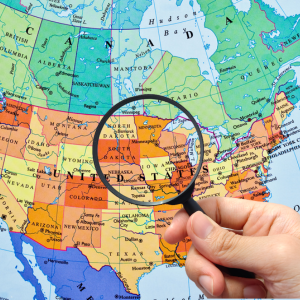
The right way to find a realtor in another state starts before you contact a single agent. Sit down and write out exactly what you need from this agent. Most buyers skip that step, then judge agents on whoever sounds most confident by phone, which is not the same as whoever fits the job.
Your criteria list should cover the neighborhoods or zip codes you’re targeting, your timeline for closing, whether you need a relocation specialist, your price range, and how you prefer to communicate. Bring the list to every interview so nothing slips.
From there, the steps are simple. Pull three names from at least two sources, say one referral and one data-driven match. Run each name through the destination state’s real estate commission site to confirm the license is active. Book 20-minute video calls with all three before you narrow down. On each call, ask for a recent transaction inside your target submarket, plus the comps behind it.
The National Association of Realtors put the median existing-home price at an all-time high of $440,600 in June 2026. Overpay by two percent at that level because nobody negotiated for you, and you’ve given away nearly $9,000. That isn’t a rounding error.
Once you’ve picked an agent, ask for a written communication plan: how often they’ll communicate, through which channels, and who you escalate to if something goes sideways mid-transaction. An agent who produces that without flinching has managed remote buyers before.
Questions to Ask Before You Hire an Out-of-State Agent
A buyer I know flew out to tour four homes over a weekend, fell for one, and made an offer Monday with no buyer’s agent in place. By Friday, she had a signed agreement, an unfamiliar contract, an inspector she’d never met, and no agent in her corner. Two months later, she closed on a property with a failing HVAC system that the inspection report had flagged in language too vague for anyone to act on.
Ask every agent these questions before you sign anything.
How many transactions have you closed in this specific zip code over the last 12 months? You want a number, not a neighborhood name. What’s your average list-to-sale price ratio for buyer clients? How do you handle remote buyers during the inspection period, and can I see how you’ve put inspection findings in writing before? Who’s your preferred title company, and why? If a sale falls apart, what does your communication look like while that plays out? Compare the answers side by side.
An owner in Austin, Texas came to me after a failed purchase. She’d inherited a rental she never wanted and was tired of running it from two states away. Her previous agent went quiet during a messy inspection period, and she lost the replacement property she was trying to 1031 exchange into. The right realtor asks for written ground rules upfront. She hadn’t known to ask.
None of these questions are designed to trick anybody. They reveal whether an agent runs a system or wings it. For a transaction you’re managing from another state, the system is the whole ballgame.
How Buyer’s Agents and Seller’s Agents Work Differently

Some sellers push back on paying a buyer’s agent at all, largely because of the news around the NAR settlement. Fair question. Since August 2024, offers of buyer-agent compensation are banned on the MLS, so any offer to cover that cost gets worked out between the parties or written into the contract. An agent also has to sign a written buyer agreement with you before touring a home. The shift changed the conversation, not the math.
A buyer’s agent represents your interests and only yours. The agent owes you a fiduciary duty. The job is finding properties, arranging tours, reading inspection reports, negotiating price and terms, and steering the transaction to closing without surprises. Buying from another state, that support isn’t a nice extra. It’s your only set of eyes on the ground. If you’re considering an investment property, investor home buyers in Irving and surrounding Texas cities can also provide another perspective on local pricing, property condition, and your potential exit strategy.
The seller’s agent, or listing agent, works for the person selling. Dual agency, where one agent represents both sides, stays legal in many states and creates a conflict that out-of-state buyers are wide open to. A remote buyer already works with less information than the other side. An agent who can’t fully back you widens that gap.
Freddie Mac put the 30-year fixed mortgage average at 6.71 percent in early September 2026. Financing terms matter as much as sticker price. A sharp buyer’s agent pushes for seller concessions to offset the rate. A dual agent won’t fight that hard for either side. On the selling side, a cash sale takes financing off the table completely, which is why some owners ask cash home buyers in Corpus Christi for a figure before they commit to listing.
Frequently Asked Questions
What Is the Best Way to Find a Real Estate Agent in Another State?
Combine two sources. Get a personal referral from someone with skin in the game, meaning your current agent, your mortgage lender, or your employer’s HR department. Then cross-check that name against a matching service that filters on closed transactions in your target submarket. Interview three agents and verify each license. Then pick the agent whose communication style and local knowledge fit what your transaction really needs.
Can You Use a Realtor From a Different State?
Not directly. Real estate licenses are issued by each state, so a realtor licensed where you live now can’t legally represent you in a transaction somewhere else unless they also hold a license there. Some agents do carry licenses in two or three states, which is common in border markets. The usual route is a referral. Your current agent hands you off to a licensed agent in that state. Broker-to-broker referral arrangements are standard practice and tend to beat cold searching.
What Is the 3-3-3 Rule in Real Estate?
The 3-3-3 rule is an informal guideline, not an industry standard or a law. The common version says keep three months of living expenses saved, hold three months of housing costs in reserve, and compare at least three similar properties before you make an offer. Some people use a 30/30/3 variant built around income and down payment instead. Buying from another state, that third piece gets harder and matters more, because comparing three properties you can’t easily revisit puts real weight on whoever walks them for you.
If you’re buying in a market you don’t know and want someone to talk through your options honestly, no pitch, no pressure, reach out to the team at (214) 225-3038. Ready House Buyer has worked with buyers and sellers in enough markets to give you a straight answer about what your situation actually calls for, even if that answer is just “here’s who you should call.”
Helpful Texas Blog Articles
- Difference Between Title and Deed
- How To Prevent Squatters From Taking Over Your Property
- Can I Sell My House If My Spouse Is In Jail In Texas
- How Long After an Appraisal Can You Close in Texas
- Tax Implications of Selling a House Below Market Value in Texas
- How Long Can a Seller Stay in the House After Closing
- How to Find a Realtor in Another State
- Do You Get Any Money if Your House is Foreclosed?
- Selling Shares of Your Home for Immediate Cash Access
- Selling a Storm Damage House in Texas Fast for Top Dollar
- How Long Can Someone Leave Their Belongings on Your Property
- How to Get Out of an HOA Legally
- Do I Need a Lawyer to Add a Name to a Deed
- How Much Do Realtors Charge to Sell a House in Texas
- What is a Preliminary Title Report