![What If a House is Damaged Before Closing in [market_city]](https://image-cdn.carrot.com/eyJidWNrZXQiOiJwcm9kdWN0aW9uLmNhcnJvdC11cGxvYWRzLm9uY2Fycm90LmNvbSIsImtleSI6InVwbG9hZHMvc2l0ZXMvNzA1NzMvMjAyNi8wNy9XaGF0LUlmLWEtSG91c2UtaXMtRGFtYWdlZC1CZWZvcmUtQ2xvc2luZy5qcGciLCJlZGl0cyI6eyJyZXNpemUiOnsid2lkdGgiOjExNTJ9LCJ0b0Zvcm1hdCI6IndlYnAiLCJ3ZWJwIjp7InF1YWxpdHkiOjcwfX19)

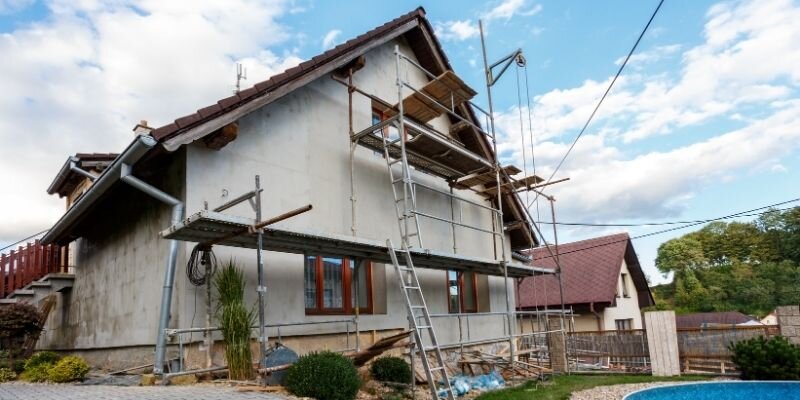
You sign the purchase agreement, pop the cork on something bubbly, and start measuring rooms for furniture. The sale feels done. Except it’s not, not yet, and a surprising number of sellers find that out the hard way when a storm, a burst pipe, or a careless moving crew turns their pending sale into a negotiation crisis two weeks before keys were supposed to change hands.
A Real Estate Sale Under Contract Doesn’t Mean the Property Is Safe From Problems
Contracts don’t freeze the physical world. A house sitting under a signed purchase agreement in Phoenix can still take a hit from a monsoon, a fire, a slow roof leak that finally wins, or vandalism by a neighbor with a grudge. Until the moment title transfers, the property still belongs to the seller, which means every day between signing and closing carries real risk for both sides.
I watched this happen firsthand with the Martinez family over in Oak Cliff, a historic Dallas neighborhood where 1970s and 1980s homes line tree-filled streets and spring hail storms hit without much warning. The Martinezes had listed their three-bedroom home on a Thursday, two agents had already tried and failed to move it in back-to-back listing cycles, and they came to me a couple of weeks ago after a hailstorm that left the roof looking minor during the listing period turned into a soaked master bedroom ceiling right in the middle of an active agreement. Their buyer panicked. Their real estate professional was scrambling for answers, which meant nobody was actually managing the repair conversation while the clock on the inspection period kept running. This whole sale came close to falling apart over a repair cost that the parties couldn’t agree on.
That ceiling situation, in a market where the national median home price sits around $429,300 according to the National Association of Realtors, is far more common than buyers realize when they sign a contract. Pre-closing damage doesn’t care about your timeline or your mortgage rate lock.
What Happens If a House Is Damaged Before Closing?
The contract doesn’t dissolve automatically. Sellers get that part wrong most often.
When damage occurs between the signed agreement and the closing table, the real estate transaction doesn’t simply evaporate. Instead, both parties are thrown into a negotiation about what happens next, and the outcome depends almost entirely on what the purchase contract says. Some agreements give the buyer the right to terminate if the damage is above a defined threshold. Others require the sale to proceed with the seller making agreed-upon repairs first. A few split the difference and allow the buyer to accept a price credit instead of waiting for repairs to be completed (a useful option when closing timelines are tight).
During all of this, the clock still ticks. Your lender still needs documents. An appraisal still needs to happen, though a damaged property can complicate the appraiser’s job and potentially push the appraised value below the agreed sale price. The title work doesn’t pause either. Sellers sometimes think they can quietly fix the damage and say nothing, and that’s a mistake with real legal consequences. Every state has disclosure obligations, and a seller who conceals pre-closing damage to close the sale risks post-sale liability. While the contract governs the sale, disclosure law can follow a seller long after they’ve moved out and unpacked.
Types of Property Damage That Can Occur Before a Real Estate Sale Closes

Roof replacement costs anywhere from $9,000 to $22,000, depending on materials and property size, which gives you a sense of why even a single storm event between contract and closing can blow up a sale.
Storms rank among the most common culprits. A hailstorm can strip shingles off a roof in forty minutes. Wind events push trees into garages and break windows along entire streets. In the Dallas area, spring storm season runs from March through June when hail and severe thunderstorms are most active, and properties under contract during those months face real exposure. Winter ice storms between December and February also create a significant damage risk. Flooding from heavy rain can get into HVAC closets and crawl spaces, leaving water damage that an inspector finds on a final walk-through when both parties least want a surprise.
Fire damage, whether from a kitchen accident or an electrical fault in an older panel, can range from cosmetic to catastrophic. Vandalism and defacement happen more often in vacant properties, where a house sitting empty for weeks between listing and closing becomes a target. Burst pipes, particularly in properties with galvanized or aging copper lines, can flood a bathroom or a laundry room overnight. Even smaller events like a water heater failure, a broken HVAC unit, or a fallen interior ceiling from a slow attic leak (I’ve seen that last one surprise sellers at the final walkthrough) count as property damage that buyers have every right to address before closing day.
Ready to sell your home for cash in Texas? Get a fair offer and close on your timeline.
What Counts as Substantial Damage in a Real Estate Contract?
Contracts in many states draw a hard line at five percent of the purchase price. Below that, the sale typically goes forward with the seller obligated to make repairs before closing. Above it, the buyer usually gets the right to walk away, letting a single catastrophic estimate unwind months of negotiation.
That five percent figure sounds simple, but applying it creates friction. On a $400,000 home, five percent is $20,000. A roofing contractor and a seller’s real estate professional may estimate the same storm damage at $18,000 while the buyer’s inspector pegs it at $24,000. Both numbers are plausible, and both parties are working from their own interest. That gap is where sales die. Lawyers sometimes get involved when the numbers are that close to the threshold because the contractual outcome hinges on whichever estimate the parties accept as the sole basis for calculating substantial damage.
Some contracts define usability as the measuring stick instead of a dollar percentage. If the property becomes unlivable or loses a primary structure like the roof or a load-bearing wall, the damage qualifies as major regardless of whether the repair estimate clears any percentage. Most standard residential purchase agreements don’t explain this clearly, which is one reason buyers and sellers both benefit from having a real estate attorney review the contract language before an emergency forces the question. The Consumer Financial Protection Bureau outlines buyer rights during the mortgage and closing process, and damage disputes fall squarely in that window.
Who Is Responsible for Property Damage Before Closing?

A seller woke up to two inches of standing water in the garage two days before closing. During the final appraisal update, the buyer’s lender found out, putting the problem officially on the record before anyone had a chance to quietly fix it. What followed was three days of negotiation that nearly ended the sale.
In most states, the seller holds legal responsibility until the deed records and title transfers. Until closing, the seller still owns the property, still maintains it, and still carries the primary obligation to deliver it in the condition described in the contract. That condition is usually defined as “substantially the same” as when the buyer made the offer. A burst pipe that floods a garage, hail damage to the roof, or vandalism to the windows all shift the property’s condition away from what the buyer agreed to purchase. Disclosing that change and dealing with it according to the contract terms is the seller’s responsibility.
Where it gets complicated is casualty losses from natural disasters. Hurricanes, wildfires, and severe storms can destroy large portions of a property, leaving the seller’s homeowners’ insurance as the primary vehicle for addressing those costs. Most sellers don’t realize that their obligation to notify the buyer quickly is just as important as their obligation to file the insurance claim. Delays in communication give buyers grounds to argue breach of contract. Some sellers also mistakenly believe their liability ends once repairs are underway. Responsibility doesn’t transfer to the buyer until the deed does.
Casualty Loss Clauses and Your Contractual Rights as a Buyer or Seller
What happens to your sale if the house burns down the week before closing? Skipping the casualty loss clause review when signing a purchase agreement is one of the costliest oversights in a real estate transaction, and most parties don’t notice it’s there until they desperately need it.
Casualty loss clauses are the contract sections that govern what happens when a property suffers unexpected damage between the signed agreement and closing. A well-drafted clause answers three questions: who bears the risk of casualty losses during escrow, what threshold of damage triggers the buyer’s right to terminate, and how the parties handle insurance proceeds if the seller’s insurance company pays out a claim during that window. In states that follow the Uniform Vendor and Purchaser Risk Act, the seller bears the risk of damage during escrow. States without that law may apply equitable conversion, which can shift risk to the buyer earlier. Knowing which rule applies where your property sits matters a lot, so it’s worth confirming before you sign anything.
Buyers who don’t have a protective contingency addressing casualty loss can face a hard choice: proceed with a damaged property or forfeit earnest money to exit the sale. That’s a real exposure. Sellers who ignore the clause and try to close without addressing the damage take on post-closing liability and potential claims of fraud or misrepresentation. Both parties benefit from having their contractual rights spelled out before they’re needed, not after. The American Bar Association offers resources on real estate contracts and buyer-seller dispute resolution that are worth reading if you’re in this situation.
Can a Buyer Walk Away From a Sale After Property Damage Occurs?

For a long time, I assumed buyers could always exit a damaged sale cleanly. Contract language is rarely that straightforward.
Buyers can walk away, but whether they get their earnest money back depends on what the contract says and how the damage is classified. Pre-closing contract cancellations have been trending upward; roughly 15% of homebuying contracts were canceled in September 2025, according to Redfin, and the reasons range from financing issues to property condition concerns. Pre-closing damage is one of those condition triggers that can push a nervous buyer toward the exit, even when the damage looks minor from the street.
The right to terminate typically requires the damage to meet the contract’s definition of what qualifies as significant enough. Below that threshold, a buyer who walks away without contractual justification risks losing their earnest money deposit. Some buyers try to use a general inspection contingency to exit after pre-closing damage is discovered, and that can work if the inspection period hasn’t expired. But if the inspection window has already closed and the damage occurred afterward, the buyer’s options narrow considerably. A price reduction or a credit at closing is sometimes the practical middle ground, with the buyer accepting the damaged property in exchange for a lower purchase price that accounts for the estimated repair costs. That negotiation is where good communication between the parties either holds a sale together or splits it apart for good.
At Ready House Buyer, we buy houses in Texas quickly, offering homeowners a simple, seamless experience.
How Property Insurance Factors Into a Pre-Closing Damage Situation
From that same negotiation standpoint, the seller’s insurance policy is often the most important document nobody reads until something goes wrong.
A seller’s homeowners insurance company covers damage to the property up until the point title transfers, assuming the policy is active, and the damage falls within covered perils. Coverage includes fire, wind, hail, and certain water damage events. Flooding from rising groundwater usually isn’t covered under a standard policy and requires separate flood insurance. Once a claim is filed, the insurance company will send an adjuster to assess the damage, and the resulting settlement figure forms the foundation for what happens next in the real estate transaction.
The buyer and seller have two main paths. The seller can take the insurance settlement, make the repairs before closing, and proceed with the sale essentially as planned. Or the seller can assign the insurance benefits directly to the buyer at closing, letting the buyer accept the property in its damaged state and take control of the repair process themselves. That second option can actually work in the buyer’s favor: they get to choose their own contractors, control the quality of the work, and, in some cases, use the settlement to upgrade rather than simply restore. The lender has a say in this, too. Most lenders won’t fund a mortgage on a property with unrepaired damage that affects its market value or usability, so major damage generally has to be addressed before the loan can close. Getting your inspector back out for a second look after repairs are complete (a step I never skip) is worth every penny.
Sell your property with speed, transparency, and confidence. Contact Us Ready House Buyer to learn how we can help.
How Title Issues and Liens Can Complicate a Damaged Property Sale
Marcus Johnson inherited a ranch home in University Park from his father, a property packed with thirty years of tools and equipment stacked floor-to-ceiling in the garage, and two sisters who each had an opinion about the timeline. By the time they got the house under contract on a Wednesday, a roof inspection had flagged two sections of damaged shingles and water damage (common in older Dallas-area homes exposed to decades of hail) that nobody had noticed during the estate proceedings.
Pre-existing title issues and property damage don’t travel independently. A property that’s damaged before closing may also reveal liens or encumbrances that complicate the seller’s ability to close cleanly. A seller who files an insurance claim on a property with an existing contractor lien may find that the insurance company sends the check in a way that gets tangled in that lien. Probate properties like Frank’s frequently carry this risk: unpaid medical bills attached to the estate, old mechanic’s liens from repairs done years earlier, or code violations from deferred maintenance that suddenly become visible once a buyer’s inspector starts asking questions (and they always ask).
Title insurance protects buyers from most of these pre-existing title defects, but it doesn’t protect against damage that occurs during escrow. Sellers dealing with both damage and title complications at the same time are managing two parallel problems that can feed off each other. An outstanding lien doesn’t go away just because the roof got damaged; both have to be resolved before a clean transfer happens. That combination of property damage and title issues is exactly where a team like Ready House Buyer can simplify things for a seller who’s overwhelmed. They buy properties in as-is condition and work through title complications directly (liens included, in my experience), without requiring sellers to fix the roof before making an offer.
Frequently Asked Questions
What Happens If a House Is Destroyed Before Closing?
If the property is destroyed or rendered completely uninhabitable, most purchase contracts give the buyer the right to terminate and receive their earnest money back. The seller’s insurance company would handle the claim for the physical loss, and the real estate transaction would unwind. You’d want to confirm this with a real estate attorney who knows your state’s specific risk-of-loss rules, since the outcome can vary depending on whether your state follows equitable conversion or the Uniform Vendor and Purchaser Risk Act.
Are Sellers Responsible for Repairs Before Closing?
Generally, yes. The seller owns the property until the deed records, and most contracts require the seller to deliver the property in the same condition as when the buyer made the offer. If damage occurs during escrow, the seller is typically responsible for either making the repairs or compensating the buyer through a price reduction or credit at closing. The specific obligation depends on what your purchase agreement says, so read that clause carefully before assuming anything.
Do You Still Have to Pay Your Mortgage If Your House Is Destroyed?
Yes, your mortgage obligation survives physical destruction of the property. Your lender’s interest is in the debt, not the structure, and the loan agreement doesn’t terminate because the house burns down or floods. Your homeowners’ insurance should cover the structure itself, and any insurance proceeds may be directed to pay off the mortgage balance first before any funds come to you. This is one reason keeping your insurance active right up through closing day is non-negotiable.
How Long Are You Liable for Repairs After Selling a House?
After closing, your liability as a seller depends largely on your disclosure obligations and what you knew about the property at the time of sale. In most states, you can be held responsible for concealed defects you knew about but failed to disclose for anywhere from three to ten years after the sale, depending on state law and the type of claim. Defects you genuinely didn’t know about carry a different standard. Selling a house in damaged condition without disclosure is not a clean exit; consult a real estate attorney before closing if you have any doubt about what to disclose.
If you’re in the middle of a sale, whether you’re in Dallas, Plano, or any DFW community, facing property damage before closing, selling a storm-damaged house can feel overwhelming when you’re dealing with repairs, insurance claims, and buyer negotiations. Ready House Buyer can buy your house as-is without requiring repairs. Our cash buyers work with homeowners in Dallas and surrounding areas to close quickly and eliminate the stress of handling damage negotiations. We buy houses for cash across Texas, no repairs, no inspections, no appraisals holding up your timeline.
Helpful Texas Blog Articles
- Sell a House When You Owe More Than It’s Worth in Texas
- Taxes When Selling an Inherited House in Texas
- How to Choose a Title Company in Texas in 2026
- Home Sale Contingency in Texas
- What Happens if a House is Damaged Before Closing
- Can You Pause Mortgage Payments While Selling Your Texas Home
- How Selling A House With A Mortgage Works In Texas
- How Long Does a Texas Real Estate Contract Last?
- Do Termite Bonds Affect Home Sales In Texas
- Can You Go Without Paying Property Taxes On Your Texas Home
- Can A Seller Refuse Repairs After Inspection
- How To Sell Your House During A Divorce In Texas
- Can Medical Bills Take Your House in Texas
- Sunniest Cities In Texas
- Texas Eviction Process Explained
- Capital Gains on Sale of Rental Property