


Foreclosure filings hit 227,548 U.S. properties in the first six months of 2026, up 21% from the same stretch a year earlier, according to ATTOM’s mid-year report. Some of those notices landed on a house that was already listed. A sign in the yard isn’t a plan. When the showings dry up and you still can’t sell your house, the payment hits on the first anyway. You’ve got real choices, and a few of them move fast.
How Long Does It Take to Sell a House in Today’s Market?
Start with your real deadline, not the one you’re hoping for. That one date changes which path makes sense for you.
Nationally, homes that sold in September 2026 typically spent 33 days on the market before going under contract, per the National Association of Realtors. The median price came in at $417,500, up 1.3% from a year earlier. Those numbers only describe homes that sold. If yours is still sitting, the averages don’t count it at all.
Add the closing window to your marketing time. Financing, appraisal, inspection, and title work usually take a month and longer if the buyer’s loan hiccups. So a house that goes under contract in six weeks might fund ten or eleven weeks after you first hung the lockbox.
For plenty of sellers, that timeline works, and listing with a good agent is the right call. It falls apart for someone with a foreclosure sale date, an estate to settle, or a job starting in another state. I’ve watched sellers burn two months on a listing they never had time for, then come to us with less equity and more stress.
Why Isn’t My House Selling?
A three-bedroom ranch went live at $389,000 with fresh photos. It sat through eleven showings and got just one offer, which the seller turned down in week two. Two price cuts later it closed, and he netted less than that first offer.
Price is usually the culprit. Most sellers hate hearing it. Across Texas, the median seller price cut hit $14,900 in August 2026, roughly four percent off the original list price, per the Texas Real Estate Research Center. When sellers all over the state are cutting, holding firm at last spring’s number is a slow-motion loss.
Condition comes second, and it’s rarely the thing sellers expect. Buyers forgive dated countertops. They won’t forgive a roof with two years left or a water heater weeping onto the slab. A smell they can’t place sends a buyer straight back to the car.
Some problems nobody controls, like a busy road, a school rezoning, an HOA with a pending assessment, or an insurance premium that’s doubled since the last owner bought it. None of that disqualifies you. It just shrinks your buyer pool to people who’ll trade location for price.
Marketing matters less than real estate agents’ ads suggest. Good photos get the showing, and price and condition get the contract.
What Happens If You Can’t Pay Your Mortgage?
Waiting to call your lender until you’re three payments behind is the most expensive mistake a homeowner in trouble can make.
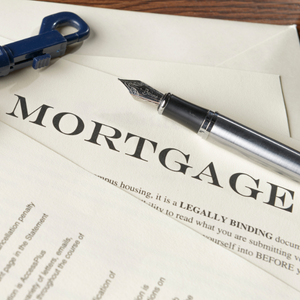
Federal servicing rules generally block a lender from making the first foreclosure filing until your loan is more than 120 days delinquent. Once it starts in Texas, the process is nonjudicial and fast. Your servicer sends a notice of default, giving you at least 20 days to cure. Under Texas Property Code Section 51.002, a notice of sale then has to go out at least 21 days before the auction. Sales happen at the county courthouse on the first Tuesday of the month. Texas Law Help lays out the sequence in plain language, and it’s worth reading before you talk to anybody.
Forty-one days is roughly the statutory floor between that first notice and the gavel. After a deed-of-trust sale, Chapter 51 gives you no right to buy your home back.
Not long ago an out-of-state heir called about his mother’s place in Killeen. She was months behind, and the auction date was already posted. The garage was full of fishing rods nobody had touched since the funeral. We closed before that first Tuesday, the loan got paid off, and he kept the rods.
Call your servicer’s loss mitigation department early. Forbearance, a repayment plan, and a loan modification are all on the table, and most lenders would rather restructure a loan than take a house back. If your lender puts you in forbearance, you can still sell, and our guide on selling your house in Dallas, TX during forbearance explains how that works.
What Are My Options If I Can’t Sell My House?
The standard advice is to drop the price and wait it out until the market comes back around. That works fine if your only cost is patience. It breaks the moment you’re carrying a mortgage on a house you’ve already moved out of. It also breaks when you’re paying insurance and taxes on a property that earns nothing. If you’re thinking “I can’t sell my house and I can’t keep paying for it,” the options below are where to look.
Renting is the option most sellers reach for first. Rental income covers the payment, you hold the investment, and you sell later into a better market. Being a landlord is still a job, though. I’ve watched one vacant month wipe out a quarter of a seller’s yearly profit.
A short sale works when you owe more than the property’s worth. Your lender agrees to take less than the full mortgage debt, and the sale closes. You walk away without a foreclosure on your record, but it takes their approval and some patience on your part.
With a deed in lieu of foreclosure, you hand the property back to the lender voluntarily. It does less damage to your credit than a foreclosure, and you get zero cash.
Selling to a cash buyer trades price for certainty. There’s no financing contingency, no appraisal, and no repair demands, and you pick the closing date. Companies like Ready House Buyer put a number in front of you within a day or two. You’re free to compare it against what an agent thinks you’d net after months on the market. Comparing is the whole point. If your house is in the Dallas area, our page on how we buy houses in Dallas shows what that process looks like. In Houston, our page for cash home buyers in Houston covers the same steps.
Here’s how those options stack up side by side.
| Option | Best Fit | Main Trade-Off |
| Drop the price and wait. | Your only cost is patience. | Carrying costs keep running. |
| Rent it out. | Rent covers the payment. | You become a landlord, and vacancies hurt. |
| Short sale | You owe more than the house is worth. | Needs lender approval and patience. |
| Deed in lieu of foreclosure | You want out without a foreclosure. | Zero cash to you. |
| Sell to a cash buyer. | You need a firm date and no repairs. | A lower price for certainty. |
How Do I Avoid Foreclosure Rescue Scams?
For years I assumed anybody who paid an upfront fee for foreclosure help had been careless. Then I met enough homeowners who’d been worn down by three months of calls, and I stopped blaming them.
Federal law settles the question for you. Under the Mortgage Assistance Relief Services rule, a company can’t collect a fee for mortgage relief work until you’ve accepted a written offer from your lender. The FTC explains the rule on its site. If someone asks for an advance fee, you have your answer.
HUD-approved housing counselors offer foreclosure prevention counseling free of charge. They’ll read your paperwork, call your servicer with you, and tell you honestly whether a modification is realistic. Find one through HUD’s housing counselor directory before you pay anyone a dollar.
Watch for anyone who:
- Wants you to sign the deed over “temporarily” while they negotiate
- Tells you to stop talking to your lender
- Guarantees a specific outcome
Nobody can promise an outcome in this business. A legitimate We Buy Houses investor will hand you a written contract and name the title company. They’ll also tell you to have a lawyer read it, and anyone who talks you out of getting advice isn’t on your side.
How Do Cash Buyers Help You Relocate Fast?
A seller called on a Monday about a house two hours from his new job. He’d been commuting four hours round trip for six weeks, and the lease on his new place started in eleven days. That’s tight for a listing and workable for a cash sale. If you’re in the same spot, our guide on how to sell a house and move out of state covers the timing and paperwork.

Closing speed decides whether a cash sale works. Cash skips the mortgage underwriting that causes most delays, so the transaction comes down to title clearance and a signing appointment. Seven to twenty-one days is typical, and we’ve closed faster when the title was clean.
You also skip the repair haggling. Selling as-is means the buyer takes the house with the cracked driveway and the 1998 HVAC. The bedroom your kid painted black comes along too. You won’t face inspection objections or credits at closing, and you don’t have to clean.
For people relocating, the real money usually isn’t in the sale price. It’s in the payments you stop making. Two mortgages for four months cost more than sellers realize when they’re staring at a cash offer and doing the math in their head. Run those carrying costs out on paper, including taxes, insurance, utilities, and lawn service. Ready House Buyer walks sellers through that math, and sometimes the honest answer is that listing nets you more. We’ll say so. You can see how it works before you ever pick up the phone.
Is a Cash Offer Really Worth the Discount?
“You investors just lowball people.” Fair enough. That reputation exists, and some operators earned it.
A legitimate offer accounts for a few specific costs. The buyer takes on every repair the house needs and the carrying costs while that work happens. Resale expenses come out on the back end, along with the risk that something ugly shows up behind the drywall. Subtract all that from what the property is worth repaired, and you get the offer. It’s plain math on the buyer’s side, and it isn’t personal.
Compare net to net, never price to price. A listing price isn’t money in your pocket until you subtract the commission and title charges. Then take out the credits a buyer asks for after inspection and every payment you make while the house sits. Sellers who run that comparison honestly sometimes find a 10% gap and sometimes a 2% gap. I’ve seen both ends firsthand. One client of ours found no gap at all once she counted four months of mortgage debt.
Any investor who won’t explain how they got to their number deserves your skepticism. Ask what they think the house is worth fixed up, and ask what repairs they’re budgeting for. A real buyer answers both without flinching and never pressures you to sign that day.
What Factors Affect How Fast Your House Sells?

The statewide median sale price in Texas was $330,000 in August 2026, down slightly from July, per that same Texas Real Estate Research Center report. Dig past that statewide figure and you’ll find huge variation. Austin ranked as the slowest of the 50 largest U.S. metros in Redfin’s December 2025 data, so Dallas and Houston listings have tended to move faster. A $250,000 house usually moves faster than a $700,000 one. Inventory in your own zip code matters more than any statewide number.
Price point drives speed more than condition does. Entry-level homes draw first-time buyers using FHA loans, and those buyers stay plentiful even when interest rates bite. Luxury inventory sits.
Season plays a part. Listings that go live after Thanksgiving compete with the holidays and challenging weather while fewer serious buyers are out looking, so pricing has to be sharper.
A woman in Amarillo was finishing her father’s estate when her employer moved her to Phoenix with five weeks’ notice. His workshop still held every woodworking tool he’d owned since 1974. She couldn’t face sorting it, so she left it all for the next owner to handle. We bought it with the tools inside and closed on a Friday, and she donated what was left to a high school shop class. Contacting Ready House Buyer gave her a date she could plan around. That was worth more to her than squeezing out the last few thousand.
Frequently Asked Questions
What Does It Really Cost to Sell a Home?
Your biggest line item is the commission, and you can negotiate that rate with whoever you hire. After that come title and escrow charges, prorated property taxes, any seller concessions, and repair credits after the inspection. Add the payments, insurance, and utilities you cover while the house sits unsold, since people leave that off the list.
Which Month Is the Hardest Month to Sell a House?
The stretch from late November through January is the toughest nearly everywhere. Buyers are traveling, distracted, or waiting for spring inventory, and fewer of them tour homes in bad weather. Houses do sell then, but mostly the ones priced to compete rather than to test the market.
What Should I Avoid Doing Before I Sell My House?
Don’t pour money into a kitchen remodel hoping to get it back, because you rarely do. Skip the big upgrades and fix the things that scare buyers, like active leaks, broken HVAC, or anything that trips up an inspection. Also resist overpricing to “leave room for negotiation.” The first two weeks of attention are the only free marketing you get.
What’s the Number One Reason a Property Fails to Sell?
Price, almost every time. Condition, location, and poor photos all play a part, but the right number fixes most of them. A house that’s been listed for ninety days at the wrong number doesn’t have a marketing problem. It has a math problem. Buyers compare your listing against every other option on their phone, and they can tell when something is priced on hope.
Is It Worth Selling to a Cash Buyer Instead of Listing?
It depends on what matters most to you. If you want the highest possible number and can wait out showings, inspections, and a financing contingency that might fall apart, listing usually wins. If you need a known closing date or don’t want to make repairs, the certainty is often worth the difference. The same goes if you’re handling an inherited property, a tenant, or a job that starts in another state next month. Run both numbers, and count the carrying costs on the listing side so the comparison stays honest.
How Fast Can a Cash Sale Actually Close?
Most close within the window from the relocation section above. The timeline usually depends on title work rather than the buyer. A lien, a probate filing, or an unrecorded easement is what sets the pace.
If you’re weighing your options and want a straight number to compare against a listing, we’re glad to give you one with no pressure attached. Reach out to Ready House Buyer, tell us about the property, and take whatever time you need.