

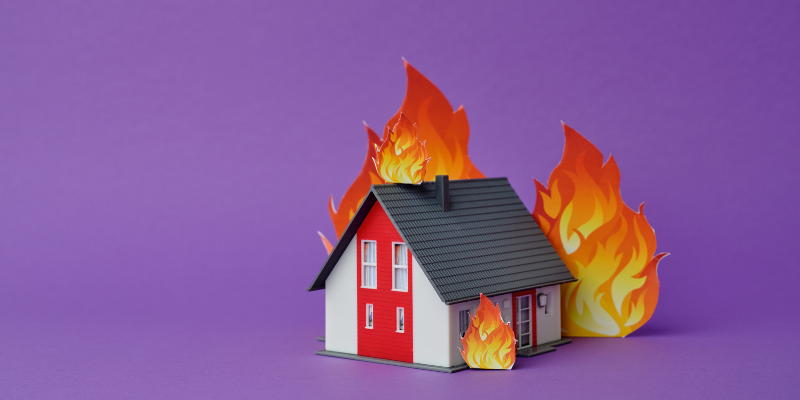
U.S. fire departments responded to an estimated 329,500 home structure fires in 2024. Those fires caused about $11.4 billion in direct property damage, per NFPA figures compiled by the Insurance Information Institute. Behind each number is a family holding a claim number and one question nobody prepared them for: what’s all this going to cost? I’ve walked a lot of burned houses. The real cost to rebuild a house after a fire almost never matches the adjuster’s first letter.
Nobody’s usually acting in bad faith when that gap shows up. The first estimate gets written off the damage you can see, and most fire damage is hidden. Nobody prices what’s behind the drywall or under the subfloor until a crew opens it up, and the duct runs hide their own surprises. By then you’ve already made choices based on a number that was never going to hold.
How Is Fire Damage Restoration Different From Reconstruction?
A structural inspection runs $350 to $900, per HomeGuide’s fire damage cost guide. That one report decides which road you’re on.
Restoration crews clean up. They don’t rebuild. Crews pull soaked carpet, scrub soot off studs, and seal framing to lock in smoke odor. Most also run water damage restoration equipment for days, because the water used to fight the fire soaks everything the flames missed. HomeGuide puts that work at $4 to $7 per square foot.
Reconstruction is a different animal. Charred framing comes out, and the roof structure gets replaced. Electrical, plumbing, and HVAC get rebuilt from scratch under current code.
HomeGuide’s reconstruction figures run far higher than cleanup. Here’s how they play out on a 2,000-square-foot house.
| Scope | Cost Per Square Foot | On a 2,000 sq ft house |
| Partial fire repairs | From about $50 | From about $100,000 |
| Full rebuild after a total loss | $100 to $155 | $200,000 to $310,000 |
Order matters, because the handoff between the two phases is where things go sideways. Board-up and tarping come first. Then comes water extraction, followed by selective demolition to open wet wall cavities and days or weeks of drying and checks. Nobody should frame a single stud until the structure reads dry. Some contractors push back on this, so if one wants to close walls early, stop and ask for moisture readings.
Homeowners lose money right here. They assume one company handles both phases, then sign a restoration contract that quietly leaves out reconstruction. Your restoration company dries the house and walks. Then a general contractor shows up with a second price tag that dwarfs the first. Ask any mitigation company point blank whether their scope ends at cleanup, and get the answer in writing before anybody touches your house.
Two more questions belong in that same talk. Who’s pulling the building permit? And is the estimate written in the same line-item software your insurer uses? When both sides work from the same format, supplements and disputes get settled in days instead of weeks.
When Does a House Fire Require a Full Home Rebuild?
Water from the fire hose often does more structural damage than the flames, and it drives a lot of teardown calls. An upstairs bedroom fire can leave wet ceilings, swollen subfloor, and soaked insulation on every level below.
Smoke travels where you can’t see it. Soot works into wall cavities and ductwork and around plumbing stacks. Its acidic residue keeps eating at metal long after the fire’s out. Even a small kitchen fire can mean replacing the whole duct system and opening every outlet and junction box.
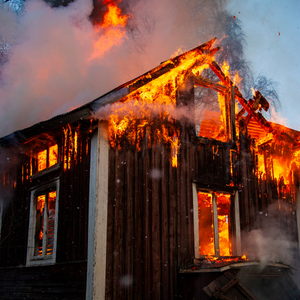
Engineered trusses and metal connector plates are the other tell. Heat weakens them in ways you can’t see, so a roof that looks fine from the driveway can still fail inspection. An engineer checks char depth on load-bearing members and looks for plates that have backed out of the wood. They’ll also look for deflection in the roof plane and heat exposure at steel beams or columns. I’ve seen homeowners stunned when a roof they thought they could save got flagged on every count. Ask for that report in writing with photos, since it becomes the backbone of your claim file.
Your local building department sets the point where repairs trigger a full code-compliant rebuild, and it varies by city and county. Call them before you accept any contractor’s opinion on it. I’ve had two contractors tell me opposite things about the same house. That office can also tell you whether you’re on a repair permit or new construction, which can move your timeline by months.
The difference is real money. A repair permit generally lets you rebuild what was there. New construction means today’s code applies to the whole structure, from egress window sizes and stair geometry to insulation values. Smoke and CO detector placement changes too, and sometimes sprinklers come into play. Before you call, have your address, rough year built, and a short description of what burned. Ask what triggers their substantial damage threshold, who makes that call, and whether you can appeal. If those answers put a rebuild out of reach, our page on selling your house fast in Dallas shows what an as-is sale looks like.
What Factors Affect the Cost to Rebuild a House After a Fire?
Misjudge the scope and you can run out of settlement money with the roof half on. Then you’re holding a house no lender will finance.
Square footage sets the baseline, but age drives the surprises. Houses built before the 1980s can hide asbestos in flooring and duct wrap. Lead paint may sit under three coats, and the old wiring often won’t pass today. Testing has to happen before the demo, and abatement is its own trade on its own schedule. Labor costs swing hard by region too. Right after a wildfire or a bad storm season, every framer and roofer within fifty miles is booked.
Homeowners care more about finishes than they budget for. A tile roof, custom cabinets, or hardwood milled in 1952 can’t be matched at builder-grade prices.
Then come the line items nobody pictures when they imagine a rebuild. I’ve watched these add up fast on properties I’ve bought:
- Debris removal and dumpster hauls
- Temporary power and a portable toilet on site for months
- Utility disconnects and reconnects
- Re-grading and landscaping torn up by equipment
- Permit and plan review fees
- A contingency for whatever the demo crew finds behind the last wall, because they always find something
Timing trips up a lot of owners in two ways. Your additional living expense coverage has a limit, and the clock runs whether or not your permit’s been issued. If you still carry a mortgage, the insurance check often goes to you and your lender together. Many lenders then release the money in draws as the work passes inspection, so you may front costs between stages. Call your lender’s loss draft department in the first week, not the fourth month, and ask how their draw schedule works.
Not long ago I bought a house in the Dallas area from a family whose adult children were handling everything for their elderly father. He was torn between rebuilding the family home and letting it go. The insurance money covered maybe two-thirds of what contractors priced the rebuild at. That gap decided it. The kids didn’t have the cash to close it, and at 81 years old, he wasn’t going to spend a year in a rental waiting on framing inspections.
Should You Rebuild or Sell the House As-Is?
Rebuilding makes sense when the insurance payout is close to the rebuild cost and you’ve got somewhere to live in the meantime. The lot and location also need to justify the money. Plenty of homeowners are in exactly that spot, and they come out fine.
Before you decide, put both paths on paper. Write down your total settlement and subtract the deductible and any depreciation your carrier is holding back. Set that against two or three written proposals from licensed general contractors who’ve seen the engineer’s report. Then add the costs that never make it onto a proposal. That means rent while you wait, your mortgage and taxes during the build, storage for whatever survived, and a cushion for surprises. If the finished house wouldn’t appraise for clearly more than everything you put in, you have your answer.
Vet the contractor as hard as you vet the number. Check the license and insurance yourself rather than trusting a piece of paper they hand you. Ask how many fire rebuilds they’ve finished, since remodels don’t count. Read the payment schedule and refuse anything heavily front-loaded. Change orders should need your signature before the work happens. Contractors working off a lowball price with a vague scope tend to stall at the halfway mark.
Selling as-is makes sense when the numbers don’t line up or when the house was inherited and the heirs live out of state. It also fits if managing contractors for a year sounds worse than taking a discount. Sometimes the lot is worth more than the structure is worth saving, and that happens more often in sought-after areas than people expect. Buyers still see real value in a fire-damaged house. The land, the foundation, and whatever structure survived all count. Buyers who specialize in these properties, like Ready House Buyer, price with that in mind. If the house came to you through an estate, our guide on what to do if you inherit a distressed home in Dallas, TX covers probate and your sale options. Sellers on the west side of the Metroplex can see how we buy houses in Fort Worth.
If you go that route, keep your claim file in order anyway. The engineer’s report, the fire department’s incident report, photos, and any estimates you’ve gathered help a serious buyer price the property right. Without them, buyers pad their offer to cover unknowns.
The path to avoid is the middle one. You start a rebuild, burn through the settlement, and stall out with an unfinished house that’s harder to sell than the burned one was.
Frequently Asked Questions
Can I Sell a House With Fire Damage?
Yes. In most states you’ll need to disclose the damage and any known structural issues, but fire-damaged homes sell all the time. Traditional buyers usually can’t get a loan on them. That’s why many of these sales are cash offers, often from We Buy Houses companies that take homes as-is.
Will Insurance Pay Out if I Sell Instead of Rebuild?
Usually you get actual cash value up front, and the rest of the replacement cost is held back until repairs are done. If you sell, you typically keep the actual cash value portion. Rules vary by state and policy, so confirm the details with your adjuster in writing. If the fire hits after you’re already under contract, read what happens when a house is damaged before closing and who’s responsible.
How Long Does a Full Rebuild Take?
For a major job, plan on six months at the low end. Angi’s restoration timelines put big jobs at roughly eight to 12 months. In areas hit by a widespread disaster, it can run well past a year. Permits and how soon contractors can start drive the timeline more than the build does.
Do I Have to Clean Up the Property Before Selling?
Usually not. Buyers of fire-damaged homes expect debris, and demolition costs are already built into their offer. If your city has issued an unsafe structure or debris order, check with the city first.
If you’re weighing a rebuild against walking away, find out what the as-is number looks like before you commit to anything. We’ll look at your property and tell you what we’d pay. Then you can set that cash offer next to your contractor proposals and decide from there. You can see how it works first or contact Ready House Buyer whenever you’d like a number. There’s no obligation either way, and no hard feelings if rebuilding turns out to be the better call.
Helpful Texas Blog Articles