![How Long Can Someone Leave Belongings on Your Property In [market_city]](https://image-cdn.carrot.com/eyJidWNrZXQiOiJwcm9kdWN0aW9uLmNhcnJvdC11cGxvYWRzLm9uY2Fycm90LmNvbSIsImtleSI6InVwbG9hZHMvc2l0ZXMvNzA1NzMvMjAyNi8xMC9Ib3ctTG9uZy1DYW4tU29tZW9uZS1MZWF2ZS1CZWxvbmdpbmdzLW9uLVlvdXItUHJvcGVydHkucG5nIiwiZWRpdHMiOnsicmVzaXplIjp7IndpZHRoIjoxMTUyfSwidG9Gb3JtYXQiOiJ3ZWJwIiwid2VicCI6eyJxdWFsaXR5Ijo3MH19fQ==)


Empty rooms rent. A room full of someone else’s furniture doesn’t. Between the day a tenant walks out and the day you’re legally clear to haul their belongings to the curb, landlords lose money, and once in a while they lose a lawsuit too. So how long can someone leave their belongings on your property before you can clear the place out?
What Counts as Abandoned Property Before You Touch Anything
Keys on the counter, an expired lease, nobody home. It looks like a clean surrender, and I’ve watched plenty of landlords start filling contractor bags that same afternoon. Eleven days later, the tenant knocks and asks about a locked footlocker. Now you’re the one explaining to a stranger why his belongings are already at the dump.
Abandonment has two halves in the eyes of the law. The person has to be gone, and they have to intend not to come back. An empty unit only proves the first half of abandonment. Shutting off utilities and mail stacking up on the porch help build the second half, and so does a neighbor who hasn’t seen a car in three weeks. None of those details settle it alone.
Siblings in Dallas, Texas, called me last year about their late mother’s duplex. The three of them had been quietly covering two mortgages for almost a year. Their downstairs tenant had vanished, and his bass boat was still sitting in the garage. Nobody wanted to be the one who tossed a stranger’s belongings, so they kept paying. If your rental sits just east of Dallas, you can see how we buy houses in Mesquite, even when a former tenant’s things are still inside.
Paperwork is your protection here. Photograph everything, date the photos, and write an inventory before a single box leaves the unit. If the former tenant ever asks what got left behind, you’ll have a dated record to hand over.
Ready House Buyer can help if you’re dealing with an abandoned property and don’t want to sort through the belongings, repairs, or uncertainty yourself. I’m happy to talk through a cash offer for the property as-is. You can weigh it against the time and cost of handling it all on your own.
How Long Can Someone Leave Belongings on Your Property?
“It’s my house, so it’s my call.” I hear that a lot. It’s wrong in nearly every state. Owning the land doesn’t make you the owner of the sofa sitting on it, and until the law says otherwise, those belongings stay with the person who left them.
How long someone can leave belongings on your property depends on where you live. Holding periods for abandoned belongings run from about a week in some states to 90 days in Indiana. That spread is why advice your cousin gave you from another state can get you sued in yours. Check your own state’s statute, or talk with a local attorney, before you set a pickup date.
Every empty day costs you. If you plan to sell, the clock matters even more. Homes nationally took a median of 61 days to leave the market in September 2026, based on Realtor.com figures published by the Federal Reserve Bank of St. Louis. Stack a 30-day hold on top of that, and you’re close to a full quarter. Learn your state’s rules early, and you can plan the cleanout and repairs around that clock from day one.
Does your lease say anything about left-behind items? Dig it out before you do anything else. In some states, that clause changes what you owe. Look for any wording about abandoned property, or about the notice you owe a former renter.
What Legal Notice Must Landlords Give Before Disposing of Property?

Maria almost sold her rental without notifying her tenant first. A short written notice would’ve covered her, and it’ll cover you too. Skipping it is one of the costliest mistakes a small landlord can make.
Most notice-and-wait statutes ask for roughly the same things. Describe the items well enough that the owner knows them on sight. Say where they can be picked up and give a firm deadline. Mention that you may charge fair storage costs before you release anything. Keep a dated copy of the notice in your files in case anyone questions it later.
Locked boxes and sealed trunks get described as containers. Don’t guess at what’s inside, and don’t pry one open to make a better list. Snap a dated photo of each container before it goes into storage. Say the owner later claims something went missing. That photo and the unbroken lock are your best proof.
Mail the notice to the last known address, then send a second copy anywhere else they’re likely to see it. Certified mail with tracking runs a few dollars and proves when the clock started, and that proof has saved me real headaches on my own rentals. LeaseRunner publishes state-by-state breakdowns that beat guessing. Your own attorney beats both.
If you’d rather avoid the notice, storage, and waiting process altogether, you can also consider a cash offer for the property as-is. Contact us to see what that option could look like, with no obligation.
What Is Tenant Property Abandonment Under Georgia Law?
Georgia stops being a notice-and-wait state the moment a sheriff or marshal executes a writ of possession. O.C.G.A. 44-7-55 spells it out. The writ lets the officer move the tenant’s personal property onto part of the landlord’s property, or onto other property the landlord picks, and the officer approves. The landlord isn’t a bailee and owes the tenant no duty for those items. After execution, the law treats those belongings as abandoned, and I’ve seen that trip up landlords who assume they still have to store everything.
Texas lands close to Georgia here. Once a Texas writ is carried out, the tenant’s things go outside the unit to a spot nearby. Under Property Code 24.0061, the landlord isn’t on the hook for damage that comes from carrying out the writ. Texas does add a weather rule. Officers can’t set belongings out while it’s raining, sleeting, or snowing. A Texas city can also hand out closed bins for removed items at no charge to the landlord. Neither state makes you store a former tenant’s things for weeks after a lawful eviction. There’s a sharp edge in both, though.
The protection only kicks in once the writ’s been executed. Thinking someone moved out isn’t enough. Clean out a unit after a judge signs the order but before the officer shows up, and you’ve skipped the step that gave you the right. I’d still inventory and photograph everything, because a no-duty rule won’t stop a former tenant from dragging you into court to argue about it. If you haven’t reached the writ stage yet, here’s the Texas eviction process explained, from the first notice to the officer’s visit.
What Are Landlord Rights and Protections Under Florida Law?
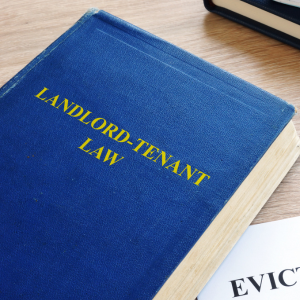
Florida splits this into two tracks. After a lawful eviction, Florida Statute 83.62 lets you or your agent move the tenant’s belongings to or near the property line once the sheriff executes the writ, or any time after. Neither you nor the sheriff is liable for loss or damage once it’s been removed.
A tenant who simply moves out and leaves belongings behind is a different story. Florida Statute 715.104 tells you to give written notice to the former tenant and to anyone else you reasonably believe owns the items. The claim deadline you set can’t be fewer than 10 days after hand delivery, or fewer than 15 days after mailing. Describe the property well enough for the owner to recognize it, and say where they can pick it up.
There’s a shortcut worth knowing. Florida law allows a specific all-caps clause in the lease. It says that upon surrender, abandonment, or recovery of possession after the death of the last remaining tenant, the landlord isn’t liable or responsible for storage or disposition of the tenant’s personal property. Include it, and the Chapter 715 notice requirements don’t bind you. Florida Statute 83.67(5) supplies the wording, and you’re safest copying it word for word.
Even then, those things still belong to the tenant. The clause removes your notice duty. It doesn’t hand you ownership, and I’ve seen landlords miss that after reading half the statute and stopping.
Texas handles the move-out track in its own way. No Texas law like Chapter 715 sets a notice-and-wait clock for things a tenant leaves after moving out. Your lease and the landlord’s lien rules fill that gap, so the fine print in your lease counts for more here. In either state, photograph every leftover item. Then talk with a local attorney before you sell or toss any of it. If you own a Texas rental and don’t want to deal with what got left behind, a company that buys houses in Irving and the surrounding Texas cities may be worth a call.
What Does California Abandoned Property Law Say About Tenant Belongings?
California’s rules are some of the tightest in the country. Under Civil Code 1951.3, a landlord can serve a notice of belief of abandonment once rent has gone unpaid for at least 14 consecutive days. There also has to be reasonable cause to think the renter is gone. The termination date in that notice can’t be sooner than 15 days after personal service. If you mail it, the floor is 18 days. I double-check that math on every notice I send.
The same two windows apply to the separate notice covering the renter’s belongings. That notice must describe the items clearly enough for the renter to recognize them and say where to pick them up. Tenants can reclaim their belongings once they pay reasonable storage costs. If the leftovers are worth $700 or more, they go to a public sale, and whatever remains after costs goes to the county.
Rushing a California timeline is a bad bet. I’ve watched landlords eat legal fees that dwarfed the value of everything they threw out. Texas gives you far more room. There’s no Texas version of the notice of belief of abandonment. No dollar amount forces a public sale, either. When a Texas landlord sells under a lease lien, the leftover money goes back to the tenant instead of the county. Whichever state you’re in, keep a copy of every notice you serve and photograph the unit before you touch it.
Can Landlords Sell or Dispose of Unclaimed Personal Property?

Dispose too early, and you’ve stopped being a landlord in the court’s eyes. You’re a defendant in a conversion claim, and the person suing you gets to tell a judge what their belongings were worth.
Once the waiting period runs out, most states let you sell the property and put the money toward unpaid rent and storage. Texas ties this to the landlord’s lien in Chapter 54 of the Property Code. That lien only works if your lease spells it out in underlined or conspicuous bold print. Before any sale, you must send the tenant notice by both first-class and certified mail at least 30 days ahead. Proceeds go to past-due rent first, then to packing, moving, storage, and sale costs if your written lease allows them. Whatever’s left gets mailed back to the tenant within 30 days of the sale. That second deadline is easy to forget, so calendar it the day you take anything.
Some belongings are off-limits to the lien, period. Clothing, beds, kitchen utensils, and food are on the Texas exempt list. So are medicine, children’s toys, family portraits, and tools of a trade. You can’t seize or sell those to cover rent. A landlord who willfully breaks these rules can owe actual damages, one month’s rent plus $1,000, and the tenant’s attorney’s fees.
Many Texas leases include an abandonment clause that decides whether low-value leftovers get kept, donated, or trashed. If yours doesn’t say, call a Texas attorney before anything lands in the dumpster. Take dated photos of each item before it leaves the unit. Damage a tenant left behind is a separate claim, and this look at tenant damage to property in Texas covers what landlords can recover.
Security deposits are a separate accounting problem. Don’t blend them with sale proceeds into one deduction and hope nobody notices. Texas expects a written description and itemized list of deposit deductions, so keep the sale money on its own ledger. If you’d rather avoid the storage, disposal, and sale process altogether, cash home buyers in Austin and other Texas cities may offer another way to sell the property as-is.
How Does Texas Define Abandoned Personal Property?
Picture a Lufkin heir who inherits a 1960s brick ranch. The sunroom’s still full of canning jars, with thirty years of her father’s belongings stacked to the ceiling. Her two brothers live out of state. They want a clean exit, and six weekends of sorting isn’t it.
Texas doesn’t use one catch-all definition for left-behind belongings. In a rental, property usually counts as abandoned once the tenant has moved out and left it, and the lease often sets the exact test. Inherited belongings are another story. Her father’s things are part of his estate, so they pass to his family instead of sitting in legal limbo. Once the estate’s settled, she and her brothers can decide what to keep and what stays with the house.
Rentals follow the Property Code. Section 24.0061 covers the writ of possession, and section 92.0081 lets a landlord remove the contents of premises a tenant has abandoned. After the officer posts the written warning on the front door, the writ can’t be carried out for at least 24 hours. Angelina County’s constable guide says the landlord’s own crew moves the belongings, usually to the curb. Those items can’t block a public sidewalk, passageway, or street. Your local justice of the peace court can confirm the current rules before you move anything.
A family in that spot can sell as-is and keep the three photo albums that matter. A cash buyer can take the house with the jars still in the sunroom. Cash buyers handle that kind of sale often for owners who’d rather not spend a season filling a dumpster. Selling with the contents in place isn’t quitting. It’s arithmetic.
Frequently Asked Questions
Can I throw out a tenant’s things if they left the keys behind?
Not right away. Keys on the counter suggest the tenant is gone, though abandonment also takes proof they don’t plan to come back. Look for shut-off utilities, piled-up mail, and neighbors who haven’t seen them in weeks. Photograph everything and write a dated inventory before you move a single box.
What happens if I get rid of a tenant’s belongings too soon?
You could face a conversion claim. The tenant then tells a judge what their items were worth, and that number is rarely small. Your state sets the waiting period, and it may look nothing like the rules a friend in another state follows. Read your lease and check your state’s statute before anything goes to the curb.
Can I sell a house that still has someone else’s belongings inside?
In many cases, yes. Some owners sell as-is with the contents still in place, which saves weeks of sorting and hauling. If the items belong to a former tenant, you’ll still need to follow your state’s notice rules first. When you’re ready to talk it through, a local cash buyer can walk the property with you, with no pressure either way.
If you’re weighing the notice letters and storage clock against selling the place with everything still inside, it’s worth knowing what a direct offer from Ready House Buyer looks like before you mail that first certified letter. There’s no obligation, and you don’t have to empty a single room first. Reach out to us at (214) 225-3038 whenever you’re ready to compare the two paths side by side.
Helpful Texas Blog Articles
- Difference Between Title and Deed
- How To Prevent Squatters From Taking Over Your Property
- Can I Sell My House If My Spouse Is In Jail In Texas
- How Long After an Appraisal Can You Close in Texas
- Tax Implications of Selling a House Below Market Value in Texas
- How Long Can a Seller Stay in the House After Closing
- How to Find a Realtor in Another State
- Do You Get Any Money if Your House is Foreclosed?
- Selling Shares of Your Home for Immediate Cash Access
- Selling a Storm Damage House in Texas Fast for Top Dollar
- How Long Can Someone Leave Their Belongings on Your Property