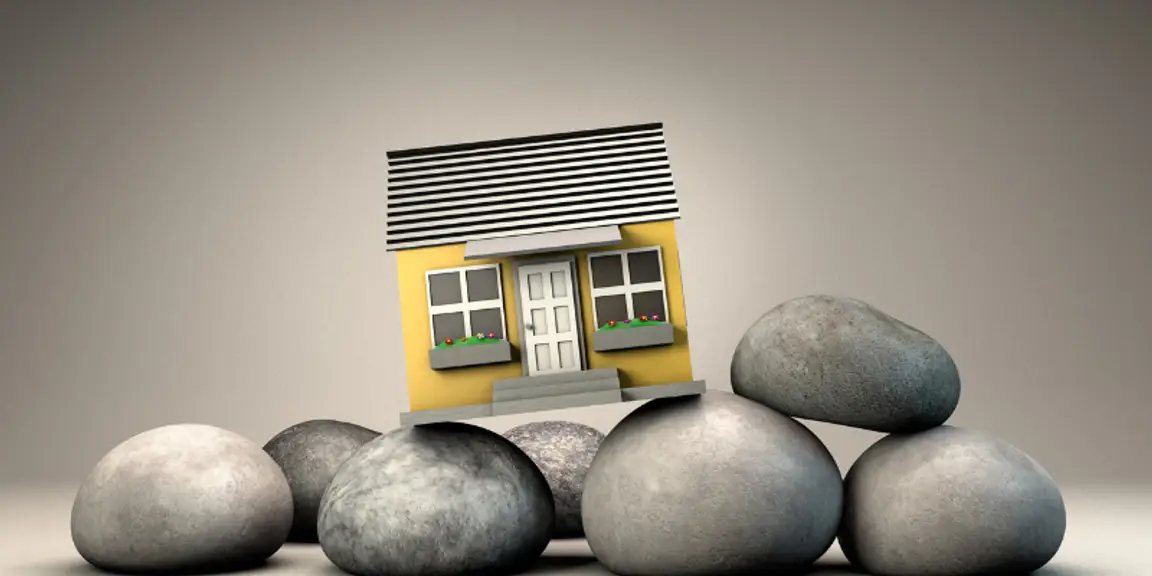

A hairline crack in a garage slab can cost a few hundred dollars to seal. A sinking corner that needs pier underpinning can run past $25,000, and 2026 cost guides put the national average for foundation repair near $5,200. That spread is why so many homeowners freeze up. You know something’s wrong under the house, and you have no idea what it’ll cost. Every path forward seems to end with you writing a big check. I’ve bought houses with foundation issues for years, and the sellers who lose the most money usually aren’t the ones with the worst cracks. They’re the ones who guessed instead of finding out.
What Types of Foundation Problems Do Homes Have?
Pier and beam repairs alone can start around $750 and climb far higher, depending on how many supports need replacing. That range tells you something useful: “foundation issues” isn’t one condition. It’s a whole category, covering a dozen situations with wildly different price tags.
Older homes on raised perimeter foundations are one common case. Many were poured before modern codes called for steel reinforcement, so the concrete cracks with nothing holding it together. In earthquake country, cripple walls can rack sideways during a quake. Wood posts rot wherever a crawlspace stays damp year after year.
Expansive clay soil is the other usual suspect, swelling when it rains and shrinking when it bakes. Long dry spells make it worse, and so does a sprinkler that soaks one side of the yard and leaves the other dry. A slab riding on that movement sooner or later shows it in the drywall. If that’s the movement under your slab and you’d rather sell your house fast in Dallas than keep chasing it, a cash sale is worth pricing out.
Hillside homes get their own version, where poor drainage and slow slope creep pull at caissons and retaining walls. A retaining wall that leans even a little deserves a closer look. Those soil and drainage risks don’t always make it onto disclosure paperwork the way they should.
Then there’s a group I call cosmetic imposters. Think stucco spidering, doors that stick in humid months, or a stair-step crack in a garden wall nobody’s touched since the seventies. They scare buyers, yet they often signal nothing structural at all. One seller called me convinced the house was failing. Their crawlspace was bone dry and the posts stood plumb. What they actually had was a settled walkway, not foundation issues.
Figure out which bucket you’re in before you pick a strategy. Sellers who skip this step end up pricing off fear.
Can You Sell a House with Foundation Problems?
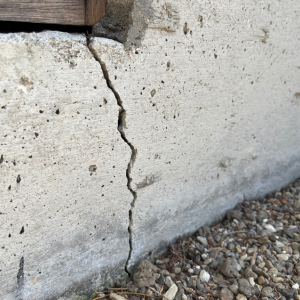
Yes, and you don’t need a single repair done first. What you can’t do is stay quiet about what you know.
Most of the country takes seller disclosure seriously. Forty-six states plus D.C. have some kind of seller disclosure form or requirement. Only four still lean on “buyer beware,” and even there, lying about an important defect can come back on you. Check your own state’s form before you list, since the questions vary from place to place.
Selling as-is doesn’t get you out of it, and that surprises plenty of sellers. In most places, an as-is clause only limits what you have to fix. Your duty to say what you know stays right where it is, and the clause won’t shield you if you hide a defect on purpose.
Not long ago I worked with a family who’d been quietly carrying two mortgages for close to a year. Honestly, that kind of slow bleed is what finally pushes most sellers to call someone like me. They’d already moved for work, and the old house kept failing inspection over a cracked slab in the back addition. Every buyer walked. Another payment left each month while their kid’s bike still hung from the garage rafters.
Does that sound anything like where you’re sitting right now?
Honest disclosure costs you less than hiding foundation issues. Buyers discount doubt far more than a known, written-up condition. Hand someone a clear picture of the foundation issues on day one, and you’re negotiating from solid ground. No buyer’s inspector gets to blow up your sale in week three.
Do You Need a Structural Engineer Report Before Listing?
A seller called me on a Tuesday after her third buyer backed out. Each buyer had gotten a different repair estimate, every one higher than the last, so she had nothing of her own to point at.
That’s the real case for an engineer’s report. Without one, every buyer’s contractor writes the story, and contractors who sell repairs tend to find plenty of repairs. An independent structural engineer doesn’t sell piers, so pick one with no ties to a repair company. They write down what’s moving and whether it matters.
I don’t think every seller needs one. If a cash buyer is going to run their own inspection anyway, you’re paying for a report they’ll duplicate. Listing on the open market is a different story. Say you’re asking a strong price and telling buyers the foundation issues are minor. Then the report pays for itself the first time somebody tries to knock $40,000 off over a crack an engineer called non-structural.
A good report gives you a ceiling. You stop haggling against a buyer’s fears.
One catch before you order it: whatever that engineer writes becomes a known material fact. A material defect is any condition that would change a reasonable buyer’s mind or the price they’d pay. You can’t read a bad report and then unknow it. So decide your strategy first, and order the report second.
Sellers who bring in an engineer early, before they’re attached to a list price, almost always make better calls about the foundation issues in front of them.
Should You Repair Foundation Issues or Sell As-is?
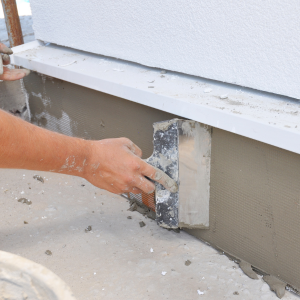
Most sellers shouldn’t repair foundation issues before selling. The few who should can usually tell you exactly why.
Repair makes sense in a narrow set of cases. The scope is small and clearly bounded. A contractor can start next week. You’ve got enough cash on hand that you aren’t borrowing against a sale that hasn’t happened yet. Get a written scope and a start date from any crew before you commit. If a $3,000 fix removes a $50,000 buyer objection, do the work.
The math falls apart fast once you’re in structural territory. Pier jobs on serious foundation issues stretch for weeks, and permits in a lot of cities don’t move quickly. Meanwhile you’re paying the mortgage on an empty house, plus insurance and utilities, while the crew works around the weather.
Finishing the repairs has its own trap. Buyers see a repaired foundation and still discount the house, because repaired means it was broken once. You spend $28,000 and maybe recover half at the closing table.
Partial repair is the worst outcome of the three. A seller patches the visible cracks, leaves the drainage that caused them, and ends up with clean walls over the same underlying foundation issues. The next inspector finds it in forty minutes.
Selling as-is isn’t surrender. You’re trading repair cost and holding time for speed and certainty, and for plenty of homeowners that trade wins on paper. Cash buyers like Ready House Buyer price the condition straight into the offer. You skip the contractor estimates entirely, along with the inspection renegotiation that usually follows them.
Run both numbers before you pick. Add repair cost and holding cost to the discount buyers apply anyway, then hold that total against a cash offer today.
How Much Do Foundation Problems Lower Your Sale Price?
A seller once listed her home at full value, hoping nobody would notice the cracked slab. Price your house as though the foundation issues aren’t there, and you’ll spend three months discovering they are, one failed escrow at a time.
The market shapes how hard that lands. Realtor.com’s September 2026 housing report found that 20.8% of homes for sale nationwide had taken a price cut. The median listing spent 61 days on the market. Clean houses still find buyers, while houses needing work follow a different script.
Buyers don’t just subtract the repair estimate. They subtract the estimate plus a cushion for being wrong, plus the months they’ll lose, plus their lender’s nerves. A $20,000 problem can easily turn into a $45,000 price reduction on the open market.
Financing is the quiet multiplier. FHA rules expect a structurally sound home without major cracking or settling, and conventional lenders get skittish about visible movement too. Once your buyer pool shrinks to cash, your price finds a new level.
I keep seeing the same pattern. Sellers who list high “to leave negotiating room” end up taking less than sellers who priced the foundation issues in from day one. Every extra week on the market works against you, and a stale listing invites lowballs a fresh one never would.
Disclose early and you protect your price. Buyers who learn about foundation issues upfront pay less, yet they close more reliably.
Who Buys Homes with Foundation Issues?
“Nobody’s going to want this house.” I hear that constantly, and it’s wrong. Plenty of buyers want it. They just aren’t the young couple with a small down payment and an FHA loan.
Investors and contractors buy foundation issues on purpose. A general contractor who runs crews gets repairs at cost, so the same defect that terrifies a retail buyer looks like margin to them.
Cash buyers and home buying companies make up the second group. They’ve had more choices lately, since active listings were up 5.4% from a year earlier in September 2026. A house priced for its condition gets their attention first.
Owner-occupants with renovation loans round out the pool. FHA’s 203(k) program, for instance, can finance the house and the repair work in one loan. These buyers are rarer and slower, and their financing adds layers of approval, yet they sometimes pay the most.
My advice on the “we buy houses” crowd is to vet them hard. Ask how many houses they closed last year. Ask whether they’ll assign your contract to someone else. A buyer who won’t answer those questions plainly isn’t really a buyer, just a middleman shopping your house around. Ready House Buyer works in this space, and the standard worth holding any cash buyer to is a written offer with no inspection contingency hiding in the fine print.
Really, you’re choosing between a small pool that pays cash quickly and a large pool that mostly can’t finance the house anyway. For sellers with real structural foundation issues, that choice is usually simpler than it looks. Fort Worth sellers face the same choice, and we buy houses in Fort Worth as-is, cracked slabs included.
How Do You Market a House with Foundation Problems?

Put the foundation issues right in your listing remarks. Most agents bury that disclosure on page nine of the supplements, and it quietly costs their sellers money.
Think about what happens otherwise: a buyer tours the house, falls for the kitchen, writes an offer, and then finds the engineer’s report in escrow. Now they feel misled, and a buyer who feels misled either walks or renegotiates hard. You’ve burned three weeks to land somewhere worse than full honesty would’ve put you on day one.
Photograph the house honestly, crawlspace and cracks included. Daylight shots from a few feet back show more than close-ups ever will. Buyers who show up already knowing are buyers who show up ready.
Pricing does the heaviest lifting, though. A house with foundation issues that’s priced like a clean one can sit for months. Price it for its condition and you’ll compete for the buyers who actually exist.
Keep a documentation folder with the engineer’s report, repair estimates, permits, drainage work, and anything prior owners did. Sellers who hand that to buyers close faster than sellers who answer questions from memory.
A homeowner once showed me a contractor estimate for her kitchen that topped what the finished kitchen would’ve been worth. The structural work under it hadn’t even been priced yet. She’d been saving toward that remodel for two years. We bought the house as-is with the 1970s cabinets still in place, and she put the money toward her next house instead.
Would you rather spend that money on a house you’re leaving?
Frequently Asked Questions
I used to tell sellers to fix everything first. Watching people pour savings into repairs they never got back changed my mind. It’s a big part of why we work the way we do, and you can read more about Ready House Buyer and the people behind it.
Do You Have to Fix Foundation Issues Before Selling a House?
No. Sellers generally don’t have to make repairs before a sale. What most states do require is honest disclosure of what you know, and that holds even when you sell as-is. Buyers will price the condition in, and some specifically want houses with foundation issues because that’s their business model. Your decision comes down to whether repair cost plus holding time beats a condition-adjusted offer today.
What Is the Hardest Month to Sell a Home?
Winter is usually the slowest stretch, and National Association of Realtors data shows January has the lowest average number of closings of any month. For a house with foundation issues, though, the calendar matters less than price and disclosure. Cash buyers shop year-round.
How Much Commission Do You Get on a $300,000 House?
Commission is negotiable, and Clever Real Estate’s 2026 survey put the average combined rate at 5.46%, which works out to about $16,400 on a $300,000 sale. On a house with foundation issues, that cost hits harder, because you’re already taking a condition discount. Selling directly to a cash buyer removes the commission entirely, which is worth weighing against whatever premium a listing might bring in.
What Percent Is a Lowball Offer on a House?
As a rule of thumb, anything more than about 10% under a fair, condition-adjusted asking price reads as a lowball. The trouble is that sellers often size up every offer against what the house would be worth with a sound foundation. That makes every realistic one feel like an insult. Hold each one up to the home’s value in its current state, and you’ll judge it accurately.
Will a Buyer’s Lender Reject a House with Foundation Issues?
Often, yes. An FHA appraiser who spots structural movement can require repairs before closing, and conventional lenders may ask for a structural engineer’s sign-off before they fund. That’s why so many homes with foundation issues end up with cash buyers, since there’s no financing to fail.
If you’re weighing repairs against selling as-is and want someone to walk the numbers with you, we’re glad to help. There’s no pressure or obligation, and nobody expects you to sell to us at the end of it. When you’re ready, connect with us and tell us a little about the house.
Helpful Texas Blog Articles
- Agent Fee for Selling House in Texas
- How Much Does It Cost to Rebuild a House After a Fire?
- I Can’t Sell My House? What Are My Options?
- Can My Spouse Sell Our House in Texas Without My Consent
- What Do I have to Disclose When Selling a House
- How to Sell a House on Craigslist
- How to Sell a House with Foundation Issues