![How to Sell a Home With Termites [market_city]](https://image-cdn.carrot.com/eyJidWNrZXQiOiJwcm9kdWN0aW9uLmNhcnJvdC11cGxvYWRzLm9uY2Fycm90LmNvbSIsImtleSI6InVwbG9hZHMvc2l0ZXMvNzA1NzMvMjAyNi8wNi9Ib3ctdG8tU2VsbC1hLUhvbWUtV2l0aC1UZXJtaXRlcy5wbmciLCJlZGl0cyI6eyJyZXNpemUiOnsid2lkdGgiOjExNTJ9LCJ0b0Zvcm1hdCI6IndlYnAiLCJ3ZWJwIjp7InF1YWxpdHkiOjcwfX19)


You can sell a house with termites in Texas, and you don’t have to fix everything before you list. Termite damage turns up in roughly one out of every five Texas homes I’ve walked through. The sellers who come out ahead are the ones who know how to handle disclosure, pricing, and buyer expectations. Termite history doesn’t have to kill a sale, not if you handle it right.
Why Texas Homes Are Prime Targets for Termite Infestations
Termites didn’t pick your house randomly. The conditions here invited them.
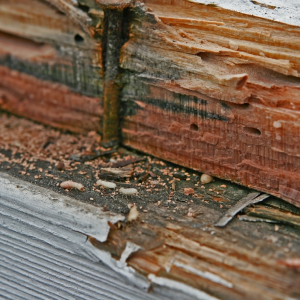
Eastern Texas falls in TIP Zone #1 (very heavy termite activity), and western Texas in Zone #2 (moderate to heavy), designations created by the U.S. Department of Housing and Urban Development because termite damage in this region is common enough to require specific building standards. Houston appeared in the top 10 cities for termite activity in 2026, with Dallas at number eight and Waco at number 38 on the same national list. Across the country, termites cause over $5 billion in property damage annually, affecting more than 600,000 homes.
Formosan termites, among the most destructive species, have been confirmed in 30 Texas counties, including Harris, Dallas, Fort Bend, and Travis. They thrive in the same conditions that define Gulf Coast living: high humidity, clay soils that hold moisture against foundations, and the mulch beds and irrigation systems found in nearly every established neighborhood.
Most homeowners don’t realize their sprinkler systems are termite magnets. Heads that spray against siding, French drains that stay wet, and even decorative rock borders. All of these give termites the moisture they need to establish colonies near your foundation. When a family in Baytown started clearing out an inherited property last fall, they found termite tubes running up the back wall like highways. Thirty years of landscape irrigation and older pier-and-beam construction had done exactly what termites needed.
How to Spot Active Termite Problems Before Listing Your Texas Home
Spring is swarmer season in Texas. Eastern subterranean termites typically swarm from February through May, usually in the morning after a warm rain. Walk your property afterward and look for discarded wings near windows or sliding glass doors, because those don’t blow in from the neighbor’s yard.
In crawl spaces and pier areas, use a flashlight to look for mud tubes: pencil-width streams of dirt running from soil up foundation walls. Active tubes have white or cream-colored termites inside when broken open. Watch for these warning signs before you list:
- Hollow-sounding wood when tapped along baseboards, door frames, or window sills
- Baseboards or trim pulling away from the wall without an obvious cause
- Bubbling, cracked, or uneven paint on interior walls
- Spongy or soft spots in hardwood floors, particularly near bathrooms or kitchens
- Discarded wings near entry points, window sills, or sliding glass doors
- Mud tubes running along foundation walls, pier supports, or utility penetrations
Pay extra attention to plumbing. Termites follow moisture, and kitchen or bathroom leaks you haven’t noticed can signal larger problems. Garages and outbuildings deserve inspection too, since termites don’t recognize property lines, and colonies often establish in low-traffic structures before spreading to the main house.
An inspector licensed by the Texas Department of Agriculture can perform a Wood Destroying Insect (WDI) report for roughly $100 to $200. It gives you a documented roadmap of what needs to be addressed and eliminates surprises during the buyer’s inspection.
What Texas Sellers Are Required to Disclose About Termite Damage
Texas Property Code § 5.008 requires sellers to provide written disclosure of property conditions. Most listings use the Texas REALTORS Seller’s Disclosure Notice (TXR 1406), which goes beyond the statutory minimum and asks specifically about active infestations, previous termite damage, past treatments, and any wood rot or wood-destroying insects.
The form only needs to be completed “to the best of the seller’s belief and knowledge,” so you’re not required to hire professionals to verify conditions you couldn’t see yourself. But if you know about problems and conceal them, you’re creating significant legal exposure.
Attempting to cover termite evidence with fresh paint or new drywall without disclosing the underlying issue violates Texas’s Deceptive Trade Practices Act (DTPA). If buyers can prove knowing concealment, they can sue for triple damages, meaning a $15,000 repair bill could become a $45,000 judgment plus attorney fees. The Texas Seller’s Disclosure also survives closing, so liability does not end when keys change hands. The same disclosure obligations apply when considering whether you can sell half of a duplex property, as partial ownership sales carry the same legal transparency requirements and can expose sellers to identical risks if known defects or ownership complications are not fully disclosed upfront.
Transparency isn’t just legally required. It’s strategically sound.
Treat Termites Before Selling or Sell Your Texas Home As-Is
The question isn’t whether treating termites costs money. It does. The real question is whether treatment makes financial sense given your timeline and your buyer pool.
Houses with active infestations struggle to get traditional financing. Most lenders require treatment to be completed and a warranty in place before approving a loan, which effectively limits your buyers to cash purchasers if you list untreated. In move-in-ready neighborhoods like Kingwood, Sugar Land, or parts of Austin, treating before listing often pays for itself by keeping the full buyer pool available.
A transferable termite warranty adds real value. Many Texas pest control companies offer a ‘bond’ guaranteeing retreatment if termites return within a year or more, and whether that bond actually affects your sale is worth understanding before you price it into your listing. Paying for the first two years of that bond as part of a sale can be the difference between a deal closing and a buyer walking.
Treatment costs vary by scope. The table below gives a clear picture of what to expect at each level:
| Treatment Type | Typical Cost Range | Best For |
|---|---|---|
| Spot/localized treatment | $500 to $1,500 | Limited, contained infestations |
| Liquid barrier treatment | $1,300 to $2,500 | Whole-house perimeter protection |
| Baiting system | $1,200 to $3,000 | Ongoing monitoring and colony elimination |
| Fumigation | $2,000 to $5,000 | Severe or widespread infestations |
| Surface/cosmetic repairs | $500 to $2,000 | Damaged trim, drywall, or baseboards |
| Structural repairs | $5,000 to $15,000+ | Support beams, subfloor, or foundation work |
Selling as-is makes sense when treatment and repair costs exceed the price premium you’d gain, when you need to close quickly, or when the structural damage goes beyond pest control into full renovation territory. Cash home buyers in Texas and real estate investors who specialize in distressed properties will factor repair costs into their offers and close without requiring you to treat anything first. For inherited homes, properties in transitional neighborhoods, or situations where a seller needs to relocate quickly, this route is often the most practical.
How Termite History Affects Home Value and Sale Price in Texas
Homes with a history of termite damage typically see value reductions of 10 to 20 percent, depending on how recent the infestation was, whether it was professionally treated, and how thoroughly repairs were documented. With Houston’s median home price around $332,000 in 2026, that’s a meaningful range.

The impact is significantly lower when sellers provide professional treatment records, transferable warranty documentation, and evidence that structural integrity was not compromised. A poorly handled infestation with no paperwork hurts more than a professionally remediated one with a long-term warranty.
Market conditions also matter. In areas with limited inventory and strong buyer demand, disclosed termite history gets absorbed more easily than in oversupplied markets. Taking a strategic price reduction and disclosing everything upfront tends to generate more buyer interest than pricing at full market value and hoping problems don’t surface at inspection. They always surface at inspection.
Some treated properties actually benefit from their pest history. A home with recent professional treatment, annual monitoring in place, and a long-term transferable warranty can appeal to buyers who want protection already built in, particularly in areas where termites are well-known to be active.
How to Market a Texas Home with Previous Termite Damage
The instinct is to minimize the issue. The better strategy is to lead with the solution.
Lead with the protection, not the problem. In your listing description, position a transferable warranty as a value-added feature: “Recently updated kitchen, hardwood floors throughout, transferable 5-year termite warranty for peace of mind.” Buyers encountering this framing think “covered” rather than “damaged.”
Documentation matters more than almost anything else. Assemble a binder with treatment records, warranty information, before-and-after photos of any repairs, and post-treatment inspection reports. Buyers who see thorough documentation conclude that the problem was handled professionally and completely, which is exactly what you want them to think, because it’s true.
Price against comparable sales of similar disclosed properties, not against pristine comps. Your agent should research recent transactions involving termite history in your area to establish realistic expectations. Don’t try to get full market value on a disclosed property, but don’t give it away either.
Consider targeted concessions: paying for the buyer’s inspection, offering a first-year home warranty, or providing a credit toward additional pest prevention measures. These address the emotional resistance buyers feel without requiring large price reductions.
Thousands of homes with termite histories sell in Harris County every year. If you need to sell your Fort Worth, TX, house faster, working with buyers who understand disclosed termite issues puts you in a much stronger position than listing blind. Sellers in the Metroplex can also reach cash home buyers in Dallas who close on termite-damaged homes without repairs.
Termite Warranties and Remediation Options That Appeal to Texas Buyers
Buyers want protection, not promises. A transferable warranty from a licensed pest control company carries more weight than repair receipts alone.
Look for warranties that cover retreatment if termites return, not just the initial treatment cost. The best ones include annual inspections and specify response time guarantees if problems reappear. Baiting system warranties transfer more cleanly than liquid treatment warranties because the physical monitoring stations remain on the property, so buyers can see the ongoing protection infrastructure.
Your remediation documentation should tell a complete story: what was found, how it was treated, what repairs were made, and what ongoing protection is now in place. Buyers and their lenders want to see this documented chain of custody from discovery through resolution.
Prevention upgrades also add perceived value. French drains directing water away from the foundation, vapor barriers in crawl spaces, and active monitoring subscriptions signal to buyers that you’ve thought beyond fixing the immediate problem to preventing the next one.
Why Working with Local Texas Real Estate Experts Gets You More Money

Texas termite issues aren’t uniform. Agents and inspectors working in Katy, Pearland, or The Woodlands understand which neighborhoods have higher activity rates, how local buyers respond to disclosed pest history, and how to price competitively without leaving money on the table. They’ve seen enough comparable sales to know what concessions are reasonable and which buyer demands exceed market norms. A seller in Pearland who priced $18,000 below a pristine comparable, disclosed everything upfront, and offered a transferable warranty closed in 11 days with no repair requests. That outcome doesn’t happen without an agent who knows exactly how that submarket responds to disclosed termite history.
Local pest control companies, certified inspectors, and contractors who specialize in termite remediation can also expedite the process and ensure work meets standards that satisfy both buyers’ lenders and insurance underwriters. These professional relationships, built over years of working the same market, move transactions faster than starting from scratch with national companies unfamiliar with regional conditions.
Frequently Asked Questions
How Hard Is It to Sell a House with Termite Damage in Texas?
It’s harder than selling an undamaged home, but far from impossible. Proper disclosure, realistic pricing, and professional treatment documentation are the key variables. Many buyers will consider properties with termite histories when they see evidence of professional remediation and transferable warranties.
Do Termites Decrease Home Value?
Typically, by 10 to 20 percent, depending on the extent of damage, repair quality, and warranty strength. Properly treated and documented infestations impact value considerably less than untreated or poorly handled ones.
How Many Termites Constitute an Infestation?
There’s no useful threshold. Termite colonies contain hundreds of thousands of individuals, so finding even a few dozen indicates a much larger colony nearby. Inspectors look for mud tubes, swarmer activity, damaged wood, and active feeding signs rather than counting insects.
What Is the Most Effective Termite Control Method?
Professional treatment using liquid termiticides or baiting systems remains the standard. Natural predators like certain ant species exist but aren’t reliable for controlling established infestations. Long-term, moisture control and regular professional monitoring provide the best protection against future activity.
Termite history doesn’t have to derail your sale or cost you more than necessary. Whether you’ve already treated the problem or you’re sitting on an untreated property and need to move fast, there are options that work in your favor.
At Ready House Buyer, we purchase Texas homes in any condition, including properties with active infestations, previous damage, and no treatment history at all. No repairs required. No waiting on lender approvals. No sale falling through because an inspector found mud tubes behind the water heater.
We make fair cash offers based on your property’s current condition and close on your timeline, not ours. If you’ve inherited a termite-damaged home, need to relocate quickly, or simply don’t want to spend months managing treatment contractors and buyer negotiations, we’re the straightforward alternative. Contact us today to discuss your situation and get a no-obligation cash offer.
Helpful Texas Blog Articles
- Taxes When Selling an Inherited House in Texas
- How to Choose a Title Company in Texas in 2026
- How to sell a house by owner in Texas
- Can You Sell a House As-Is Without Inspection in Texas
- How to Sell My House to a Developer in Texas
- FHA Required Repairs in Texas
- Tenant Damage to Property in Texas
- Can You Sell A House With Termites In Texas
- Who Pays for Appraisal and Inspection in Texas
- Should I Stage My House to Sell
- How Long Does It Take to Sell a House in Texas
- Homeowners Insurance When Selling Your House
- Can You Sell Half Of A Duplex Property?
- How Much Does It Cost to Sell a House in Texas
- Can You Sell Your Home After One Year in Texas