

Texas buyers often lock in a Federal Housing Administration (FHA) preapproval before learning a critical detail: the loan comes with a property evaluation that can stop your closing if the home doesn’t meet federal safety standards. Understanding what appraisers look for, including what repairs they require, gives you a significant advantage before you make an offer.
How to Get Preapproved for an FHA Loan in Texas
Before you tour a single property, get your finances in order. Lenders require your debt-to-income ratio to sit below 57% for FHA approval, and that includes your projected house payment, property taxes, and insurance, not just your existing debt.
FHA loans accept credit scores as low as 580 for the minimum 3.5% down payment, though most Texas lenders prefer 620 or higher. With statewide median home prices around $340,000, most buyers can expect a total monthly payment, including taxes and insurance, somewhere between $2,700 and $2,900.
One distinction worth knowing early: prequalification is not preapproval. Prequalification is an estimate based on self-reported figures. True preapproval requires full documentation: tax returns, pay stubs, bank statements, and a hard credit pull. Getting that paperwork together before you start looking saves you from scrambling once you’ve found the right house.
Mortgage insurance premium (MIP) adds roughly $150 per month to a median-priced Texas home payment. Unlike conventional loans, FHA requires MIP for the life of the loan unless you put down 10% or more, in which case it drops off after 11 years.
FHA Loan Requirements vs. Conventional Loan Requirements in Texas
The core differences between FHA and conventional financing come down to four areas: debt ratios, down payments, credit scores, and property standards.
| Factor | FHA Loan | Conventional Loan |
|---|---|---|
| Minimum credit score | 580 (620 preferred by most Texas lenders) | 620 minimum; 740+ for best rates |
| Minimum down payment | 3.5% ($11,900 on a $340,000 home) | 3% to 5%; 20% to avoid mortgage insurance |
| Max debt-to-income ratio | Up to 57% with compensating factors | Around 45% |
| Mortgage insurance | Required for life of loan (or 11 years with 10% down) | Drops off automatically at 20% equity |
| Property standards | Must meet HUD safety and habitability requirements | Value-focused; fewer condition requirements |
| Appraisal type | Dual-purpose: value and condition | Value only |
For many Texas buyers, FHA is the more accessible path, particularly when credit history is limited or cash reserves are tight. The trade-off is the stricter property condition requirement and the longer mortgage insurance commitment. Conventional financing rewards stronger financial profiles with lower long-term costs, but it puts homeownership further out of reach for buyers who cannot clear the higher down payment or credit score thresholds. Understanding where you fall on that spectrum before you start shopping helps you choose the right loan type for your situation rather than discovering the mismatch mid-transaction.
What Is an FHA Home Appraisal in Texas?
FHA appraisals serve two purposes simultaneously: they determine the property’s market value (which the lender uses to calculate your loan-to-value ratio), and they confirm that the property meets HUD’s minimum safety and habitability standards.
Conventional appraisals focus solely on value and will not flag a leaking roof or an outdated electrical panel unless it affects the home’s value. FHA appraisers are required to do both.
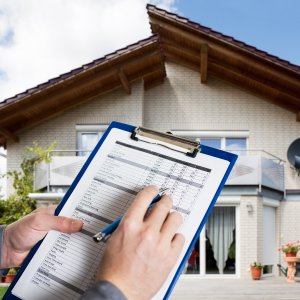
Properties must satisfy three minimum standards:
- Safety: no health hazards to occupants
- Soundness: structurally sound construction
- Security: functioning windows, doors, locks, and lighting
Missing any of these three categories can delay or derail financing. Importantly, appraisers are limited to flagging repairs necessary to preserve marketability and protect occupant health and safety; cosmetic issues and ordinary wear and tear do not qualify.
Most buyers don’t realize the appraiser physically enters attic spaces and crawl areas. HUD recommends a minimum 18-inch clearance from floor joists for crawl space access, and appraisers must get at least head and shoulders inside unless access is genuinely impossible or could cause damage.
FHA appraisals typically cost between $300 and $600, depending on your area and property size, the same range as conventional appraisals.
Who Conducts FHA Appraisals in Texas, and What Are Their Qualifications?
Not every licensed appraiser qualifies. HUD requires FHA-approved appraisers to complete additional education and training beyond standard state licensing. Regular residential appraisers can value a property, but they cannot evaluate federal safety standards without that extra certification.
Your lender selects the appraiser, not you. The appraiser works for the lender to keep the process independent, which means you cannot request a specific appraiser or seek one out on your own.
The appraiser schedules directly with the listing agent or seller, typically spending 30 to 60 minutes on the property inside and out. They document issues with photos and written notes, then submit a formal report to your lender. FHA appraisals emphasize that the process is not a comprehensive home inspection; appraisers flag obvious defects visible during a standard walkthrough, not problems hidden behind walls or under floors.
FHA Appraisal Requirements and Property Standards in Texas
During the walkthrough, appraisers move through the property systematically, evaluating each major system and structural component against HUD’s minimum property standards. Here is what they examine and what they are looking for.
Roof
The roof must prevent moisture entry and provide reasonable future utility with at least two years of remaining physical life. If it falls short, the appraiser will call for reroofing or repairs. FHA allows a maximum of three roofing layers; if more than three exist and repair is needed, all old layers must be removed. For roofs with a 2.5/12 pitch or less, Texas requires installation by a licensed roofer using built-up roofing that meets Uniform Building Code standards.
Attic and Crawl Space
Appraisers check for pests, moisture problems, and adequate ventilation. Termite inspections are not automatic in Texas, but the lender must order one whenever the appraiser sees evidence of wood-destroying insects.
Foundation and Exterior
The foundation must appear structurally sound, with adequate drainage to prevent water intrusion and no major cracks or significant signs of settling. Appraisers also look for holes, loose or missing shingles, and damaged gutters or downspouts.
Electrical Systems
Electrical panels are examined for frayed or exposed wires. Both circuit breakers and fuses are acceptable. Existing 60-amp service can pass if it’s adequate for the home’s current appliances.
Plumbing, Heating, and Utilities
All utilities, gas, electricity, water, and sewage, must be functional. The property must have a working, permanent heating system. Damaged or inoperable plumbing requires repair.
Safety Features
Safety handrails are required on any open stairwell with three or more stairs.
FHA Required Repairs for Texas Properties
When an appraiser identifies deficiencies, the property receives conditional approval. The most frequently required repairs include:
- Peeling paint: Scraping and repainting any peeling interior or exterior paint, including outbuildings like sheds and fencing
- Broken windows or doors: Replacement required before closing; FHA will not close with broken or missing windows
- Drainage issues: Water must be directed away from the foundation
- Pest infestations: Professional extermination required, plus a licensed pest inspection whenever the appraiser sees evidence of wood-destroying insects
- Plumbing, electrical, and heating deficiencies: All damaged or inoperable systems require repair
- Structural and foundation problems: Must be corrected before or, in some cases, after closing
- Flammable storage tanks: Buried oil tanks must be removed with filler caps sealed from the inside
Most of these repairs are more manageable than they look on paper. Peeling paint, broken windows, and drainage fixes are routine contractor work that sellers handle regularly in FHA transactions. The more consequential items, such as structural problems, foundation issues, and buried tanks, require licensed professionals and may take longer to resolve, but they rarely appear without some prior indication during your initial walkthrough. Knowing this list before you make an offer gives you the leverage to negotiate repairs into the purchase agreement from the start, rather than scrambling to address them after the appraisal comes back. If repairs feel overwhelming, We Buy Houses In Texas as-is, so you always have options.
Who Pays for FHA-Required Repairs in Texas?
Sellers typically handle required repairs to bring the property up to FHA standards, though this is negotiable and should be addressed in the purchase agreement. Buyers sometimes agree to cover certain repairs in exchange for other concessions. If you are wondering whether a seller can refuse repairs after inspection, the answer generally depends on the purchase agreement, the type of repair required, and the terms of the FHA loan.
For repairs that genuinely cannot be completed before closing, such as weather-dependent exterior work, for example, lenders may allow the funds to be held in escrow until the work is done. The lender’s underwriter determines whether a given repair happens before or after closing based on severity.
When required repairs are complete, the appraiser may be asked to re-inspect and confirm the work before the lender releases funds. Sellers who would rather skip the repair list altogether sometimes take a cash offer instead, and we buy houses in Dallas in any condition.
How Much Does an FHA Appraisal Cost in Texas?
Buyers pay the appraisal fee, not sellers. It’s included in closing costs alongside title insurance, loan origination fees, and other expenses. You cannot negotiate who pays, and since your lender assigns the appraiser, you cannot shop for a lower price.
The fee is non-refundable. If your sale falls apart due to appraisal issues, the cost is still yours. FHA appraisals remain valid for 180 days and can be extended if necessary, which means switching lenders mid-process won’t always require a second appraisal.
With roughly 5.4 months of statewide inventory, some buyers negotiate seller credits at closing to offset appraisal and other upfront costs.
What Happens After an FHA Appraisal in Texas?
Once the appraiser submits their report, the outcome falls into one of three categories:
Insurable (green light): The property meets FHA standards and appraises at or above the purchase price. The loan process moves forward.

Insurable with conditions (yellow light): The appraiser identified deficiencies requiring repair. Severity determines whether fixes must happen before or after closing. You’ll negotiate with the seller on who completes and pays for repairs, then potentially schedule a re-inspection.
Uninsurable (red light): The property has serious health or safety hazards, including major structural foundation failures, bedrooms without secondary egress, or other hard-to-fix problems, making it ineligible for FHA financing.
If the appraised value comes in below the purchase price, you have three options: cancel the contract and recover your deposit (per contract terms), negotiate a lower price with the seller, or cover the gap with personal funds if your lender permits. Fort Worth homeowners facing an uninsurable property can also explore a cash sale and sell their house fast in Fort Worth, TX, without repair requirements.
Frequently Asked Questions
What Repairs Do FHA Loans Typically Require in Texas?
The most common requirements involve peeling paint, broken windows and doors, drainage problems, pest infestations, and damaged plumbing, electrical, or heating systems. Safety handrails on stairwells with three or more steps are also required. All repairs relate to safety, structural soundness, or habitability and not cosmetic condition.
Are There Texas-Specific FHA Requirements?
Yes. Roofing on slopes of 2.5/12 pitch or less must be installed by a licensed roofer using built-up roofing that meets Uniform Building Code standards. Termite inspections are not automatic, but the lender must order one whenever the appraiser sees evidence of wood-destroying insects.
Do Broken Windows Have to Be Replaced Before an FHA Loan Closing?
Yes. FHA requires all windows, doors, locks, and lighting to be in good working order. A home with broken or missing windows cannot close on an FHA loan. The repair must be completed and potentially verified by a re-inspection before the lender releases funds.
Can FHA Repairs Be Completed After Closing in Texas?
Some can. For repairs that genuinely cannot be finished before closing, lenders may allow a portion of the purchase price to be held in escrow until the work is done. The underwriter decides on a case-by-case basis depending on the severity and nature of the repair.
Navigating FHA requirements is manageable when you know what to expect. If you are ready to take the next step, working with an experienced Texas buyer like Ready House Buyer can make the difference between a smooth closing and a stalled transaction.
If you have questions or want to explore your options, contact us today and go into your home search with the confidence of knowing exactly what you qualify for, what the appraisal will look at, and how to handle any repairs that come up along the way.
Helpful Texas Blog Articles
- Taxes When Selling an Inherited House in Texas
- How to Choose a Title Company in Texas in 2026
- How to sell a house by owner in Texas
- Can You Sell a House As-Is Without Inspection in Texas
- How to Sell My House to a Developer in Texas
- FHA Required Repairs in Texas
- Tenant Damage to Property in Texas
- Can You Sell A House With Termites In Texas
- Who Pays for Appraisal and Inspection in Texas
- Should I Stage My House to Sell
- How Long Does It Take to Sell a House in Texas
- Homeowners Insurance When Selling Your House
- Can You Sell Half Of A Duplex Property?
- How Much Does It Cost to Sell a House in Texas
- Can You Sell Your Home After One Year in Texas