![Should I Stage My Home to Sell in [market_city]](https://image-cdn.carrot.com/eyJidWNrZXQiOiJwcm9kdWN0aW9uLmNhcnJvdC11cGxvYWRzLm9uY2Fycm90LmNvbSIsImtleSI6InVwbG9hZHMvc2l0ZXMvNzA1NzMvMjAyNi8wNi9TaG91bGQtSS1TdGFnZS1NeS1Ib21lLXRvLVNlbGwuanBnIiwiZWRpdHMiOnsicmVzaXplIjp7IndpZHRoIjoxMTUyfSwidG9Gb3JtYXQiOiJ3ZWJwIiwid2VicCI6eyJxdWFsaXR5Ijo3MH19fQ==)

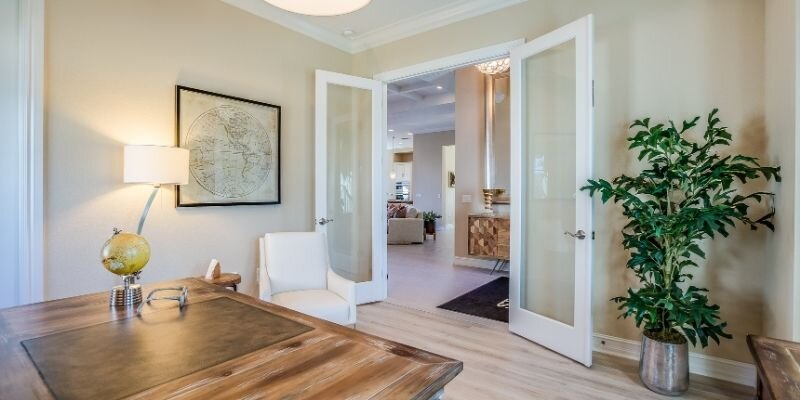
Ever walked into a house that felt just right, the kind of place where you could picture yourself making breakfast in the kitchen or reading on the couch? That is what staging does for buyers, and it happens faster than you might think.
So should I stage my house to sell, or is that money better left in your pocket? Staging runs into the hundreds or thousands up front, on top of the repairs, moving costs, and closing costs you are already facing. We have talked with hundreds of Dallas homeowners over the years, and the ones who skip staging on a retail listing often leave money behind. The data demonstrates a clear trend in how staging can affect sale prices and how quickly homes sell.
Why Home Staging Increases Property Value and Buyer Interest
Last month a seller named Sarah watched a buyer walk her unstaged home and count every scuff mark and awkward corner instead of seeing the potential. Most buyers struggle to picture their own life in a room that is either bare or cluttered. While touring a vacant property, buyers notice problems first, such as the ceiling water stain and the confusing room layout. Empty areas can make even great homes feel cold.
In its 2023 Profile of Home Staging, the National Association of Realtors found 83% of buyers’ agents said staging made it easier for buyers to picture a place as their future home. Professional stagers know spatial psychology and how to arrange furniture to make rooms look bigger and brighter. They place sofas to create conversation places, add mirrors to reflect light, and choose neutral colors that suit many tastes.
Most buyers start their search online, where staged properties do better. In that same report, 31% of buyers’ agents said staging made buyers more willing to walk through a home they had first seen online. Staging boosts showings because most people browse photos before booking a visit.
The Holloway family learned this lesson in March when they had a rental house in Irving that they no longer wanted. They assumed listing their property vacant would save money after months of vacancy. They called us six weeks and three price decreases later. The living room and master bedroom were staged for $2,800, and the house sold in 12 days at the asking price.
If you would rather skip the staging bill and the showings, there is another route. We buy houses as is, the same way cash home buyers in Fort Worth and the rest of DFW handle a sale, with no repairs and no cleaning on your end.
Home Staging Statistics That Prove Return on Investment
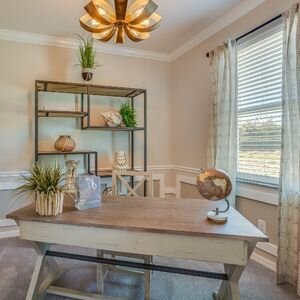
A seller we talked with last year staged a $450,000 house and closed at $487,000 within days. Staging can yield 5% to 15% returns on investment for 75% of sellers. These aren’t tiny figures when talking about hundreds of thousands.
If staging generates offers 1% to 10% above asking, a seller at the national median existing home price of $434,100 in July 2026 would gain $4,341 to $43,410. Set against the national average staging cost of $1,849 reported by HomeAdvisor, that is a strong return. Even at the low end, the gain more than doubles what you put in. You can follow Texas home price data through the Texas Real Estate Research Center.
Speed is as important as price. Staging reduces the average time on the market to 23 days, compared to 184 days for unstaged homes. A vacant house costs mortgage, electricity, insurance, and property taxes each month. Faster sales mean cheaper carrying costs, so you will close with more money. Keeping coverage in place while the house sits on the market matters too, so read up on homeowners insurance when selling your house before a policy lapses mid sale.
RESA says 85% of staged homes sell for their asking price or more. Selling staged homes often requires repeated price drops before a buyer appears. Math favors staging almost always.
How Much Does Professional Home Staging Cost vs DIY Options
A young couple called us last week about selling their first house. After spending $600 at Target on throw pillows and candles, they figured the place was styled. Three months later they still had no offers.
The cost of home staging an occupied home usually lands under $2,000. Staging a vacant property averages about $4,500. These numbers include furniture rental, expert design, and setup. If you’re living in the property, stagers can use your furniture and add accents, lowering costs.
The initial furniture rental and staging setup for unoccupied residences costs $2,000-5,000. If your home is listed for more than 30 days, the monthly rental fees are $500 to $1,200. Luxury homes need more expensive furnishings and accessories to meet customer expectations.
DIY staging works if you know the basics. Decluttering and deep cleaning come first. Clear about half of what sits on every surface. Wipe down the counters, thin out the bookshelves, and leave closets no more than 60 percent full. Paint the walls a neutral, something like a soft gray or White Dove, then add bright LED lamps through the house.
DIY is difficult since most homeowners can’t see their space objectively. You’ve lived there for years, so you may not notice the gloomy nook that needs a lamp or the traffic-blocking furniture. We talk with professional stagers often, and the gap between an owner staged home and a professionally staged one shows up fast. That is part of how Ready House Buyer works with sellers weighing a listing against a straight cash sale.
What Happens During the Home Staging Process Step by Step
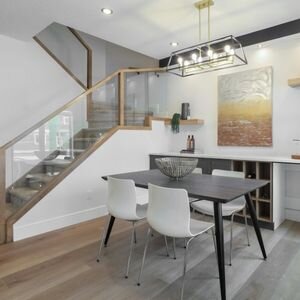
Nearly half of sellers’ agents in the National Association of Realtors 2023 Profile of Home Staging said staging cut the time a home sat on the market. Professional stagers get there with proven methods.
Consultations start the process. The stager measures your property and determines which rooms need improvement. They may propose improved light fixtures, paint colors, and furniture storage to improve appearance. When you hire them, this $300-$600 consultation is usually removed from the staging price.
Next is prep. The stager will suggest decluttering, cleaning, and small repairs. Many people declutter themselves to save money, but some staging agencies charge $650 to $1,000.
Sofa delivery and setup usually happen the same day. Staging experts work quickly and bring coordinated items. They use furniture to showcase each room’s characteristics and add decorations to make areas seem cozy without crowding them.
Within 24-48 hours of staging, photography begins. Mid-morning or early afternoon is when your expert will book the photographer for the best lighting. Listing can go live in days.
Staged contracts usually last 30-60 days. If your house is on the market longer, monthly renewal costs may be 20-30% of the staging cost. Well-staged homes sell before renewal in competitive markets.
Looking to sell your home for cash in Texas? Get a fair offer and close quickly.
What Home Staging Techniques Work Best for Empty Houses
Selling a vacant property can save money, but furnished homes help buyers connect with the place. Without staging, buyers may struggle to imagine how the space works, and the home can feel less welcoming during showings. Vacant properties also need more attention to security and upkeep.
Empty rooms can confuse buyers. They may struggle to estimate room proportions, arrange furnishings, or imagine how the space could match their lifestyle. Staging helps buyers visualize living in the home, which may speed up the sale and increase offers.
Scale is a major benefit of staging. Buyers can more quickly decide if a primary bedroom can fit a king-size bed or if a living room can accept larger furniture. Visual references assist buyers in grasping each area’s function.
Professional stagers emphasize the most vital living spaces for vacant residences. Sofas, coffee tables, area rugs, and lighting are common in living rooms, whereas beds, excellent bedding, nightstands, and lamps are in bedrooms. Kitchens are often decorated with little gadgets, fruit trays, and flowers to create a cozy feel.
Lighting is crucial in an empty house. Professional stagers use several light sources to brighten, remove shadows, and create a cozy atmosphere. Strategic mirror placement can reflect natural light and increase openness.
Buyers perceive a room based on color temperature. Warm white LED bulbs (2700K to 3000K) provide a cozy, friendly atmosphere, thus stagers favor them. The idea is to make buyers comfortable and see themselves enjoying the home.
Should You Stage Every Room or Focus on Key Areas

Skipping the rooms that matter most leaves the staged spaces feeling disconnected from the rest of the house. The National Association of Realtors reports that 37% of home buyers think the living room is the most important room to stage, followed by 34% for the principal bedroom and 23% for the kitchen. Guest bedrooms are the least important to buyers, at 7%.
Plenty of sellers stage only the rooms that move buyers most. The living room carries the most weight because families spend most of their time there, so buyers picture themselves entertaining friends and unwinding after a long day.
Many properties benefit from partial staging, which is cheaper than preparing a complete home. Start with the living room, then the main bedroom, kitchen, and dining area. These places typically help buyers bond with the home.
Bathrooms are inexpensive to stage and can improve presentation. Clean towels, a new shower curtain, coordinated soap dispensers, and a small plant can revitalize a room. Staging a bathroom costs $50-200, making it one of the cheapest rooms to update.
Guest bedrooms and home offices are usually less important unless staging is needed to improve the home’s presentation. Buyers know secondary spaces may be customized, but decorating them may boost desirability in competitive markets.
Many real estate professionals find that homes with strategically prepared key rooms sell as well as completely staged properties while helping sellers save money on staging. You must determine which spaces matter most to your target buyers and focus your efforts.
We buy houses in Dallas and nearby cities, helping homeowners sell quickly and without hassle.
How to Take Professional Quality Photos of Your Staged Home
Staging investments may not be as effective without good photography. Staged homes photograph better than empty ones, and nearly every buyer now starts the hunt online. Your listing photos may be your best chance to attract buyers and get showings.
Professional photographers picture staged spaces well. They present complete rooms with wide-angle lenses, use correct lighting, and know which perspectives accentuate a home’s best characteristics. They’ll schedule sessions for optimal natural light and supply extra lighting for darker spots.
Photo sessions should be late morning or early afternoon when natural light is best. Avoid scheduling on overcast or rainy days when indoor illumination is harder. If the weather is bad, your photographer may suggest rescheduling.
Turn on all house lights before the photographer arrives. Ceiling chandeliers, table lamps, under-cabinet kitchen lighting, and accent lighting are included. Multiple light sources reduce harsh shadows and provide a warm, inviting photogenic mood.
Clear out anything personal before the shoot. Store family photos, prescription bottles, and anything with your name on it. Without seeing the existing owner, buyers should be able to imagine their own belongings.
Outdoor places need care. Potted plants and patio furniture can highlight additional living spaces. Keep pool areas clean, add flowers, and clean outside furniture. In warmer climates, buyers may prefer outdoor living spaces.
Consider virtual staging for unstaged rooms. Lower cost, shorter response times (24-48 hours), and design style experimentation are the benefits. Virtual staging is ideal for vacant properties in lower price ranges when complete staging may be too expensive. Listing photos should appropriately portray the property so buyers know what to anticipate when they visit.
Publishing the listing immediately once images are ready helps. Going live within 48 hours of photography lets you use the newly staged presentation to keep consumers interested.
Tasha Kim was going through a divorce and needed to sell a Waco property. After moving out, she staged her 1990s split level partially, doing the living room and main bedroom for real and using virtual staging for the other bedrooms in the listing images. The combination worked; she received many offers within a week, and buyers liked that the most crucial places looked like the images.
Ready to sell your property? We make the process quick, easy, and transparent. Reach out to Ready House Buyer.
Frequently Asked Questions
Does Staging Really Help Sell a Home?
Staging can lift a sale price by 5% to 15%, per RESA. It saves time as well as money, and the return often runs several times what the staging cost. Statistics show staging saves sellers money and time.
What Devalues a House the Most?
Home values are most affected by poor upkeep, obsolete systems, and curb appeal. Although staging can’t address structural flaws, it can help buyers ignore visual issues by highlighting a home’s best characteristics. Clean, well-maintained homes sell better regardless of staging.
What Is the Hardest Month to Sell a House?
Most markets have the poorest sales in December owing to holidays and weather. However, committed December shoppers may be willing to pay the asking amount due to pressing needs. When selling in sluggish months, staging is crucial to stand out from the competition.
What Is the 3 3 3 Rule in Real Estate?
Buyers form a view within 3 seconds of seeing the listing photos, 3 minutes of walking through the front door, and 3 hours of thinking it over, and then they decide on an offer. Staging and professional photography are crucial because you have little time to make a good first impression and sell.
If you’re thinking about selling and want to know all of your alternatives, we can assist. Ready House Buyer can guide you through the best option for your situation, whether you want traditional staging and listing or a quick direct sale. There is no pressure, only honest advice on what will work best for your schedule and goals.
Helpful Texas Blog Articles
- Taxes When Selling an Inherited House in Texas
- How to Choose a Title Company in Texas in 2026
- How to sell a house by owner in Texas
- Can You Sell a House As-Is Without Inspection in Texas
- How to Sell My House to a Developer in Texas
- FHA Required Repairs in Texas
- Tenant Damage to Property in Texas
- Can You Sell A House With Termites In Texas
- Who Pays for Appraisal and Inspection in Texas
- Should I Stage My House to Sell
- How Long Does It Take to Sell a House in Texas
- Homeowners Insurance When Selling Your House
- Can You Sell Half Of A Duplex Property?
- How Much Does It Cost to Sell a House in Texas
- Can You Sell Your Home After One Year in Texas