
A quarter-sized chip of ceiling texture can hold up your whole sale. I’ve watched it stall closings that were otherwise ready to sign. If your house went up before the 1980s, you’re in the group that runs into this most. In most cases the asbestos testing cost turns out smaller than the panic that comes before it. Let’s look at real numbers, where they come from, and what’s worth paying for.
Where Is Asbestos Commonly Found in Homes?
Early last year, a family in Frisco, Texas called me about their mother’s 1962 ranch. She’d just moved into assisted living. During a Saturday cleanout they found crumbling wrap on the basement boiler pipes, panicked, and stopped work cold until they could get it tested.
That wrap sits on a list the EPA publishes. It names attic and wall insulation made with vermiculite, vinyl floor tiles, and the backing and adhesive on sheet flooring. Roofing and siding shingles are on it, along with textured paint and patching compounds. So are hot water pipes coated or wrapped in asbestos material, plus furnace door gaskets.
Popcorn ceilings get their own mention because they’re so hard to judge by eye. Homes built before 1980 carry the most risk, in places like popcorn ceilings, drywall joint compound, pipe insulation and cement siding. Nobody can spot asbestos by sight. It takes a sample and a microscope. That’s the whole reason an asbestos testing cost shows up as a line item at all.
Age matters, though it isn’t a clean cutoff. Builders started using asbestos in houses in the 1930s. Its use peaked from the 1940s through the 1970s and fell off by the late 1980s. The EPA finalized a ban on chrysotile, the last type still in use here, in March 2024. Even a 1986 house isn’t in the clear.
One pattern I keep seeing is sellers who test the ceiling and forget the garage floor tile and the old roof. Plan around every material a buyer’s contractor might disturb. The one you skipped is usually the one that stalls closing. If you’re not sure you can still list, here’s how selling a house with asbestos in Texas works.
If you’re concerned about asbestos in your home, contact us to discuss a no-obligation cash offer. We buy houses as-is, so you won’t have to worry about testing or repairs before selling.
How Much Does Asbestos Testing Cost in a House?
Skip it, and a buyer’s inspector will often find it anyway, usually at the worst point in escrow. HomeAdvisor puts most pro testing jobs in the $231 to $777 range, with a national average of $483 covering the on-site inspection, sample collection and lab analysis.
Angi shows the same average, and that’s no coincidence. Angi owns HomeAdvisor, and both pages draw on one survey of 2,495 members who reported what they paid. It’s clearly one data point rather than two. Your local price can still land higher or lower, since lab fees and travel charges vary by region.
Removal is where the real cost sits. This Old House’s 2026 guide puts abatement at $1,170 to $3,120 on average, with interior work running $5 to $20 per square foot. If your test comes back clean, you won’t pay for removal at all.
Knowing the cost before you list gives you leverage, while finding out mid-negotiation hands that same leverage to the buyer. If repairs and testing pile up past what you want to handle, Ready House Buyer buys houses as-is, asbestos questions and all. You won’t need to schedule abatement or pay for repairs before you sell.
Air Testing Pricing for Asbestos Inspections
With your material intact and nobody sanding it, you probably don’t need air testing yet.
Air sampling answers a different question than bulk sampling. A bulk sample tells you what a material contains, while an air sample shows what’s floating in the room right now. Angi lists air testing at $200 to $800, depending on home size and sampling volume. The inspector pulls air through a special filter and sends the sample off for lab review.
Sampling the air earns its fee after a renovation goes sideways, or when someone drilled, cut or scraped a suspect material before anyone knew what it was. It also matters after abatement, as a clearance check before anyone moves back in. Dust testing costs less, at $120 to $180 for collection and analysis according to Angi.
Skipping clearance testing after abatement is a mistake that costs people real money. A clearance test belongs in any proper job. Don’t let anyone talk you out of it. If a contractor shrugs at it, I wouldn’t let that crew in the house. It’s best when a separate inspector collects those clearance samples instead of the people who did the removal.
Ask for air work as its own line, apart from your bulk asbestos testing cost. The two rarely get quoted together unless you ask, so have each inspector list both prices on paper and comparing them gets a lot easier.
What Factors Affect Asbestos Testing Prices?
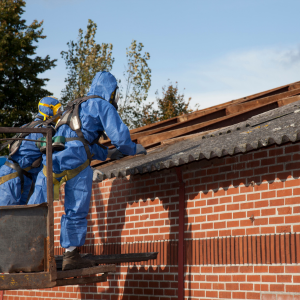
The lab method drives your price more than your zip code does, and almost nobody mentions it in a quote. Polarized light microscopy is the standard, cheapest method for bulk materials like flooring and popcorn ceiling. Point count analysis costs more, and labs use it on ambiguous samples. Transmission electron microscopy costs the most and handles air and very fine fiber work.
Access changes things too. Home size and how easy it is to reach each testing area shape the inspection cost, and tight sampling spots mean extra labor. Crawlspaces, attic knee walls and boiler rooms behind storage all add time. Clear a path to those spots before the inspector arrives and you’ll cut down on billed hours.
Watch for vague lines on any estimate. Ask for an itemized quote before you agree to anything, and confirm your technician holds AHERA accreditation before sample day. If a line says miscellaneous labor with no detail, ask what it covers.
Location matters as well. Labor rates swing between markets, so your asbestos testing cost in Dallas, Houston and rural West Texas won’t be the same conversation. In Texas, DSHS licenses the asbestos inspectors who survey public buildings, and homes fall outside that rule. If you’re considering selling instead, investor house buyers in Fort Worth and other Texas cities may offer an alternative to paying for extensive testing and repairs.
Older homes with layered renovations run higher because there are simply more distinct materials to sample. A 1960s ranch with vinyl laid over older tile might need samples from both layers, plus the mastic holding them down. If that sampling bill keeps growing, remember that we buy houses in Texas in any condition, tested or not.
DIY Asbestos Kits Vs. Hiring a Professional Tester
Take a bad sample and you can seed a whole house with fibers that weren’t airborne an hour earlier. Once material turns friable during sampling, it releases asbestos fibers into the air. That’s a health threat for everyone living there.
Mail-in kits are cheap, often under fifty dollars, and some include the lab fee. The savings are clear. So is the risk, and your result may not carry the weight you expect. Most kits leave the dangerous part to you, since you’re the one cutting into the material and sealing the sample in the bag.
Local rules decide a lot here. Texas gives homeowners plenty of room, so the deal itself usually decides whether you hire a pro. The EPA still advises hiring an accredited AHERA building inspector, or another trained professional, to sample anything you plan to disturb. Your city may add its own permit rules on top of state law, so check before you cut into anything.
Texas rules are loose for homes. State asbestos rules don’t apply to a single private residence or an apartment building with four or fewer units, and that exclusion doesn’t depend on whether you live there. A licensed inspector comes into play for public buildings. If it’s intact vinyl tile and you’re selling, hire someone anyway. A buyer’s lender or contractor may reject a homeowner-collected result.
The gap between a DIY kit and a full asbestos testing cost is a couple hundred dollars. Weigh that against cleaning fibers out of your ductwork and carpet. I’d pay a trained tester to take the sample every time.
Why Asbestos Testing Costs More During a Home Inspection
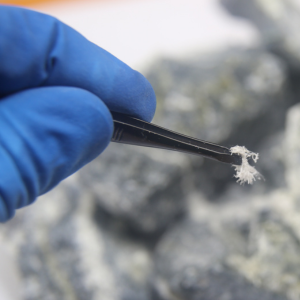
Picture a seller in San Antonio with a signed contract when the buyer’s inspector flags the old wrap on the 1950s furnace ducts.
Mid-escrow is where timing really bites. You lose the room to shop around, plan around your week, or wait on standard lab turnaround for your samples. Local prices already swing widely. Homeyou’s current guides show asbestos testing in Dallas anywhere from $132 to $2,654, and San Antonio at $132 to $2,653. Paying for a short-notice visit or rush lab results only pushes your cost toward the top. Before you answer the buyer’s repair request, find out whether a seller can refuse repairs after inspection.
Your general home inspector usually isn’t the right person to collect the sample. Texas requires a DSHS asbestos license for surveys in public buildings, but a single private residence is excluded. That gap means almost anyone can offer testing on a house. Ask for a DSHS-licensed asbestos inspector anyway, because you’ll want a report the buyer’s side takes seriously.
A conflict of interest can creep in as well, since an abatement company offering free testing has an obvious reason to find something. Pay an independent inspector instead. If the sample comes back positive, give the removal job to a different company than the one that tested.
Now picture an owner near Austin who gets a job transfer with five weeks to be out. The garage still holds a stack of old asbestos-cement siding scraps the previous owner left behind, never tested. Testing those scraps now, on your own schedule, leaves room for standard lab turnaround and a calm call on removal. Front-loading your asbestos testing cost before you list is the cheaper path almost every time. If you’re considering selling your property, cash house buyers in Austin, TX can offer another option worth exploring before listing.
Frequently Asked Questions
How Much Should I Expect to Pay to Have My Home Checked for Asbestos?
Most homeowners land in the mid-hundreds for a standard residential inspection with a walkthrough, sample collection and lab analysis. Your final asbestos testing cost depends on how many materials get sampled and which method the lab uses. Small single-material jobs sit near the bottom of the published range, while multi-material surveys of larger, older homes push toward the top.
What Is the 3-5-7 Rule for Asbestos Sampling?
It’s the EPA’s AHERA bulk-sampling standard for friable surfacing material, like a sprayed-on popcorn ceiling. An area of 1,000 square feet or less needs at least three samples. Above 1,000 and up to 5,000 square feet, the minimum is five, and anything larger needs seven. Pipe insulation and miscellaneous materials such as vinyl floor tile follow separate rules. Since sample count drives your asbestos testing cost directly, a popcorn ceiling spanning your whole upstairs will cost more to test than one bedroom’s worth.
Is Testing One Material Cheaper Than Testing the Whole House?
Yes, noticeably. A single-material check is the cheapest version of an asbestos testing cost because you’re paying for one trip and one or a few samples. A full survey covering ceilings, flooring, siding, pipe wrap and roofing multiplies both the lab fees and the inspector’s hours on site.
If you’re weighing whether testing is worth it or whether selling as-is makes more sense for your situation, Ready House Buyer is happy to talk it through. No pressure, no obligation, and no hard sell if you decide to list the traditional way instead. Reach out to us at (214) 225-3038 to discuss your options and find out whether a cash sale makes sense for your situation.
Helpful Texas Blog Articles
- Agent Fee for Selling House in Texas
- How Much Does It Cost to Rebuild a House After a Fire?
- I Can’t Sell My House? What Are My Options?
- Can My Spouse Sell Our House in Texas Without My Consent
- What Do I have to Disclose When Selling a House
- How to Sell a House on Craigslist
- How to Sell a House with Foundation Issues
- Cost for Asbestos Testing in a House