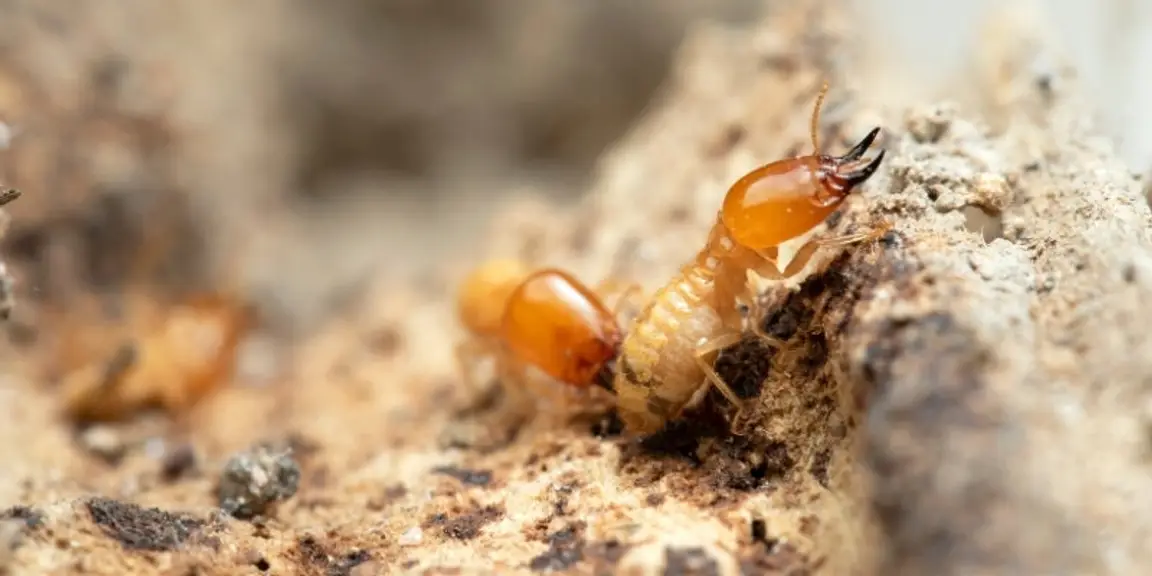


A seller in Pasadena called our office on a Thursday afternoon, halfway through packing boxes, asking whether a termite bond was the only thing standing between her and a closed sale. She had a buyer, a contract, and a lender asking for paperwork she’d never heard of. It was the first time termites had come up in her sale, and she was rattled. That call isn’t unusual. Termite questions come up constantly in Texas real estate. The answers depend on factors most sellers never consider until a buyer’s lender puts the brakes on.
Texas ranks among the top five states for termite activity. If you’ve owned a home here for more than a few years, you already know what that means for wood framing, crawl spaces, and your bank account. What’s less obvious is how termites intersect with your ability to sell, what a “termite bond” actually is and does, and when one matters versus when it’s mostly noise.
What Is a Termite Bond and How Does It Work?

Most articles describe a termite bond as a warranty, which is half right and misses the part that actually matters. The distinction between a re-treatment bond and a repair bond lies in whether sellers lose money.
A termite bond is a service agreement between a homeowner and a pest control company. After initial treatment, the bond provides ongoing protection: annual inspections, guaranteed re-treatment if termites return, and sometimes coverage for repair costs from new termite damage. Think of it as an extended warranty for your termite treatment. The homeowner pays an annual fee, and the pest control company assumes the financial risk of reinfestation. That’s the piece worth negotiating before you sign anything.
The word “sometimes” is doing a lot of work in that sentence. The bond does not cover structural repair costs unless it is specifically a repair bond. A basic re-treatment bond just means they’ll spray again if the bugs come back. A repair bond means they’ll also fix damaged wood. Sellers who hand a buyer a bond without knowing which type it is are handing over a document that might not protect the buyer as both parties assume.
A licensed technician performs an initial inspection, establishes a treatment baseline using liquid termiticides, bait, or bait stations, and then maintains the bond through annual revisits. Termite activity appearing between scheduled visits triggers a return visit from the pest control company for retreatment at no extra charge. You’re not paying for a separate service call every time something shows up.
Subterranean and Formosan termites are active along the Gulf Coast and East Texas, and the Formosan variety is particularly aggressive. Areas like Spring, Katy, and Sugar Land are in heavy termite zones, where an active bond is practically standard for long-term homeowners. Letting one lapse before selling almost always costs more than the renewal would have, because buyers in these zones push hard for a fresh bond as a condition of closing.
How Do Termites Affect Property Value and Real Estate Transactions in Texas?
We used to assume a treated home with a documented history was basically a non-issue for buyers. That assumption turned out wrong. We watched a closing in Pearland stall because a buyer’s lender required more documentation than the seller had kept, sometimes years of service records.
Active or unrepaired termite damage can reduce a property’s value by roughly 20% because it compromises structural integrity and concerns lenders. In June 2026, the median sale price in Texas was $347,911. A 20% hit could translate to more than $69,000 off your price. That’s before buyers start negotiating on top of it, and in this market, they are negotiating hard.
The Texas market is already working in buyers’ favor. In April 2026, the median seller price cut in Texas was $12,500, or 3.6% of the initial listing price. Sellers are already giving ground on price. Layer active termite concerns on top of that, and buyers have two separate reasons to push harder. Negotiating from that position is a bad idea.
Texas law requires the disclosure of known defects, including termite issues. On the Seller’s Disclosure Notice, sellers must disclose any known termite infestation, previous termite damage, or prior termite treatment per Texas Property Code Section 5.008. This form is not optional, and what goes on it follows the property through every future transaction.
Do I Need a Termite Bond to Sell My House in Texas?
No state law requires you to have a termite bond to sell your Texas home. It’s the honest answer, and it’s the one most people need to hear first.
Texas does not require a WDI inspection by law, but most VA loans require one, and many lenders request a Texas Official Wood Destroying Insect Report before closing. The bond and the inspection report are different things, and sellers often confuse them. A termite bond is ongoing protection you pay for annually. A Wood Destroying Insect (WDI) report is a single inspection document, ordered at the time of sale, that tells the lender whether the home currently shows evidence of wood-destroying insects.
A buyer using a VA loan must have a WDI report. Because Texas is classified as a state with moderate to heavy termite activity, the VA does not make this optional. For FHA loans, an inspection isn’t required unless the appraiser notices visible signs of damage, active insects, or conducive conditions. If the appraiser flags these issues, the lender will require a clean WDI report before the loan can close. Conventional loans fall somewhere in the middle, with individual lender discretion driving the requirement, so it’s worth calling your loan officer early to know exactly where they stand.
So a bond isn’t legally required. But if your buyer is using financing and your home shows any signs of pest activity, a lender can effectively halt your closing until the issue is documented and resolved. For most sellers, that makes it required in every way that matters. If you’d rather skip the whole inspection-negotiation cycle, Ready House Buyer buys homes as-is, without lender-driven WDI hurdles slowing things down.
What Does a Termite Letter Mean for a Texas Home Sale?
Buyers and their agents sometimes treat a termite letter as a pass-or-fail grade, where “pass” means the transaction moves forward untouched and “fail” means everything collapses. Transactions built on that assumption fall apart unnecessarily, because that’s not how it works.
A WDI report documents what the inspector found. It covers active infestation, past activity, and conditions that increase risk. A finding of past activity or treated damage is not the same as an active infestation, yet buyers routinely treat the two as the same. A house can have a past treatment history and still get a clean report if no current activity is present and damage has been repaired.
The Texas Real Estate Commission (TREC) Seller’s Disclosure form asks about active termites, termite damage needing repair, previous termite damage, and previous termite treatment. These are four distinct questions, and your answers on the disclosure and the WDI report need to be consistent. Inconsistencies between what the seller disclosed and what the inspector found are one of the more common ways closings get complicated near the finish line.
One pattern shows up again and again: sellers assume that having paid for a treatment years ago means they’re covered on both the disclosure and the inspection. The treatment history is disclosed. The current inspection reflects the property’s condition today, not five years ago.
What Are Your Options If Termites Are Found Before Closing in Texas?

A seller in East Dallas had an active termite issue flagged during the inspection period. They had two weeks left before their contract deadline, and a buyer was threatening to walk. Four days later, the sale was back on track with an agreed credit and a treatment in progress. Panic made it look impossible, but a clear head made it straightforward.
If active termites or previous damage are found, treatment and repair are typically negotiated between buyer and seller. Those negotiations usually take one of three forms. First, the seller treats before closing and provides documentation. Second, the seller offers a price reduction or credit to cover the buyer’s treatment costs after closing. Third, the seller accepts that some buyers will walk and markets the home to others willing to buy in its current condition.
Which path makes sense depends on your timeline, your equity, and your buyer’s loan type. A cash buyer has no lender telling them they need a clean report. A VA buyer does, and their lender won’t close until the issue is addressed. Getting a treatment estimate before the buyer does is smart because you’re negotiating from a number you’ve already verified.
If treatment runs $800 and the buyer is asking for a $3,000 credit, paying for treatment and documentation is the better play. If damage is structural and repair costs are real, you might be looking at a different conversation entirely. Sellers who need to move quickly without making repairs often find Ready House Buyer a practical option. We buy properties in any condition and never ask for a lender-clean termite report first. If you’re selling in the Fort Worth area, a company that buys houses in Fort Worth, TX, can make that same as-is offer without waiting on a WDI report.
How Much Does a Termite Bond Cost in Texas?
Annual termite bonds in Texas cost between $200 and $400 per year and include inspection plus re-treatment coverage. Bonds that include repair warranty cost $50 to $150 more per year and carry more value in Formosan termite zones. Coastal areas like Galveston County and parts of Harris County fall squarely into that category. The Formosan subterranean termite is more aggressive and causes damage faster than the standard subterranean species, so the extra coverage is worth pricing out before you close.
Standard homeowners’ insurance does not cover termites. Insurers consider pest removal a regular cost of homeownership, leaving the bond as the primary financial protection against infestation. Initial treatments required to activate a bond typically cost between $500 and $1,500, and renewal after that first year usually falls back within that same $200 to $400 annual range.
Is a Termite Bond Worth the Money for Texas Homeowners?
Your question is really two different questions, depending on where in Texas you live.
Ask a homeowner in Tyler or Longview whether their bond is worth it, and the answer is almost always yes. East Texas has some of the highest termite pressure in the state, with humid soil conditions that keep subterranean colonies active much of the year. A treatment that costs $1,200 upfront and $250 annually is cheap compared to structural beam replacement, which runs far more than most homeowners plan for. Ask a homeowner out in Wichita Falls, and the math is less clear because drier North Texas conditions mean lower termite pressure.
An active, transferable termite bond tells buyers the home has been professionally inspected and protected. This documentation has real weight in a buyer’s market. The median days on market in Texas was 69 days in June 2026, up 3 days year over year, and sellers need every edge they can find. Handing a buyer a clean bond transfer with documented annual inspections removes one more reason to hesitate.
Where a bond really earns its keep is in avoiding surprises. A seller who has maintained annual inspections for five years can point to five inspection reports showing no activity. That paper trail settles a buyer’s questions before they get asked.
Can a Termite Bond Be Transferred to a New Homeowner in Texas?
A skeptical seller will ask: “Why should I keep paying for a bond if the buyer can just get their own after closing?” The answer is that the transfer itself is valuable, and not just as a budget question.
Most termite bonds can be transferred to a new homeowner, though some companies charge a transfer fee of $25 to $100. That transfer includes the history. A buyer who receives a transferred bond gets documentation of treatment dates, inspection results, and any activity found over time. A new bond started from scratch gives them none of that history.
Before counting on a bond to carry over, sellers need to confirm whether it transfers and under what conditions. Transfer rules vary by contract, provider, and sometimes state. Some contracts require written notice to the pest control company, and some require a re-inspection before the transfer is valid. Allowing a bond to lapse and re-establishing it later typically requires a new inspection and may require a full re-treatment at the homeowner’s expense.
Termite bonds are transferable in most cases and are often referenced by lenders for FHA and VA loan approvals. Having a transferable bond already in place can simplify the lender’s documentation requirements and keep the closing timeline from slipping.
How Do I Get a Termite Bond in Texas?
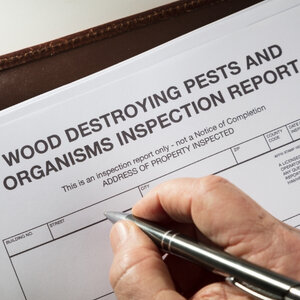
In Texas, WDI inspections are regulated by the Texas Department of Agriculture’s Structural Pest Control Service (SPCS), and only licensed individuals may perform the inspection and issue the Texas Official Wood Destroying Insect Report. That licensing requirement matters because not everyone hanging a pest control sign is authorized to produce the document your lender requires.
Getting a bond starts with finding a licensed pest control company, having them inspect your property, and completing whatever initial treatment they recommend. If you have no active infestation and no signs of previous damage, the initial treatment may be a preventive soil application around the foundation. If activity is present, treatment comes first.
A WDI inspection costs $75 to $150 and is ordered by the buyer during the inspection period, though sellers can order one proactively before listing. Doing so gives you time to address findings before a buyer’s inspector finds them first.
One couple in Pflugerville had a job transfer come through on a Tuesday, and five weeks to get their house sold. They had a bond, but it had lapsed eighteen months earlier. Getting it reinstated required a new inspection and a fresh treatment, which took nine days and pushed the listing date back. They made it work, but they would have sold faster if the bond had stayed current. The garage had been used as a woodshop, with scrap lumber stacked against the exterior wall for years, exactly the kind of condition that speeds up termite establishment.
Lesson: Don’t let a bond lapse if you’re planning to sell within the next two to three years.
If you’d rather hand off the bond and inspection question entirely, Ready House Buyer buys homes across Texas as-is, on your timeline, without the back-and-forth over pest reports. In Frisco specifically, cash house buyers make that same offer, bond or no bond.
Frequently Asked Questions
Is It Bad to Not Have a Termite Bond?
Not having a termite bond isn’t automatically a problem, but it does leave you without documentation when a buyer’s lender asks questions. In high-activity areas of Texas like the Gulf Coast, East Texas, and the DFW suburbs, a lapsed or missing bond means you have no paper trail showing the property was monitored. That gap can give buyers leverage to negotiate harder or require a new inspection before closing.
Is It Hard to Sell a House That Has Had Termites?
Selling a home with a termite history is very doable in Texas, especially when you have documentation of past treatment and a current WDI report showing no active infestation. Transparency is your best tool. Buyers get nervous when they sense something is being hidden; they’re generally fine when a seller can show treatment records, repairs, and a clean current inspection. If repairs weren’t made and damage remains, expect buyers using financing to have their lenders impose conditions on closing.
Do Sellers Have to Pay for Termite Inspection?
In most Texas transactions, the buyer pays for the WDI inspection as part of their due diligence during the inspection period. That said, sellers who want to get ahead of the process can order one themselves before listing. There’s no law dictating which party pays, so it’s subject to negotiation like most other closing costs. VA loan transactions have had specific rules around who can pay for the WDI report, and those rules have changed over time, so confirm the current requirement with your lender or agent.
Is a Termite Bond Worth the Money?
For most Texas homeowners, especially those in Houston, East Texas, and along the Gulf Coast, the answer is yes. The annual cost of maintaining a bond is a fraction of what a single treatment and structural repair would run. Beyond the financial protection, an active bond with documented annual inspections is a marketing asset when you sell. It tells buyers and their lenders that the property has been watched and maintained, and that documentation speeds up the transaction rather than slowing it down.
Talk Through Your Options With Ready House Buyer
If you’re trying to sort out whether a termite bond, a WDI inspection, or a full-blown treatment is what your situation calls for, you don’t have to figure it out alone. The team at Ready House Buyer has worked with sellers across Texas who’ve faced exactly these kinds of questions. No obligation, no pressure. Just contact us for a real conversation about your options and what makes sense for your timeline.
Helpful Texas Blog Articles
- Sell a House When You Owe More Than It’s Worth in Texas
- Taxes When Selling an Inherited House in Texas
- How to Choose a Title Company in Texas in 2026
- Home Sale Contingency in Texas
- What Happens if a House is Damaged Before Closing
- Can You Pause Mortgage Payments While Selling Your Texas Home
- How Selling A House With A Mortgage Works In Texas
- How Long Does a Texas Real Estate Contract Last?
- Do Termite Bonds Affect Home Sales In Texas
- Can You Go Without Paying Property Taxes On Your Texas Home
- Can A Seller Refuse Repairs After Inspection
- How To Sell Your House During A Divorce In Texas
- Can Medical Bills Take Your House in Texas
- Sunniest Cities In Texas
- Texas Eviction Process Explained